
In 2026, TikTok is no longer just a viral video app—it is a primary search engine and e-commerce giant. With over 1.8 billion active monthly users, the platform has fundamentally changed consumer behavior. The average user now spends 53 minutes per day on the app, creating an unparalleled opportunity for brand exposure.
However, the landscape is volatile. From algorithmic shifts to the integration of TikTok Shop, the rules of engagement have changed. While the potential for viral growth is unmatched, brands must nPros and Cons of TikTok Influencer Marketing in 2026 | Scrumballavigate risks like ad fatigue, attribution challenges, and regulatory scrutiny. This guide breaks down the strategic trade-offs to help you decide if TikTok is the right channel for your 2026 roadmap.
Pros: Why Brands Are Doubling Down
1. The "Interest Graph" Algorithm
TikTok's superpower is its algorithm. Unlike the "social graph" (who you follow), TikTok uses an "interest graph" (what you like). This means a brand with zero followers can generate millions of views if the content is engaging. This democratization of reach allows new brands to compete with Fortune 500 companies purely on creativity.
2. Hyper-Engaged Gen Z & Alpha Audiences
With nearly 40% of Gen Z using TikTok instead of Google for search, the platform is essential for reaching younger demographics. It isn't just for entertainment; it's for discovery. If you aren't on TikTok, you are invisible to the next generation of consumers.
3. Seamless "Shoppertainment" (TikTok Shop)
The integration of TikTok Shop has closed the loop. Influencers can now tag products directly in videos, allowing users to buy without leaving the app. This frictionless commerce experience has led to conversion rates that are significantly higher than traditional social referral traffic.
4. Cost-Effective Scaling
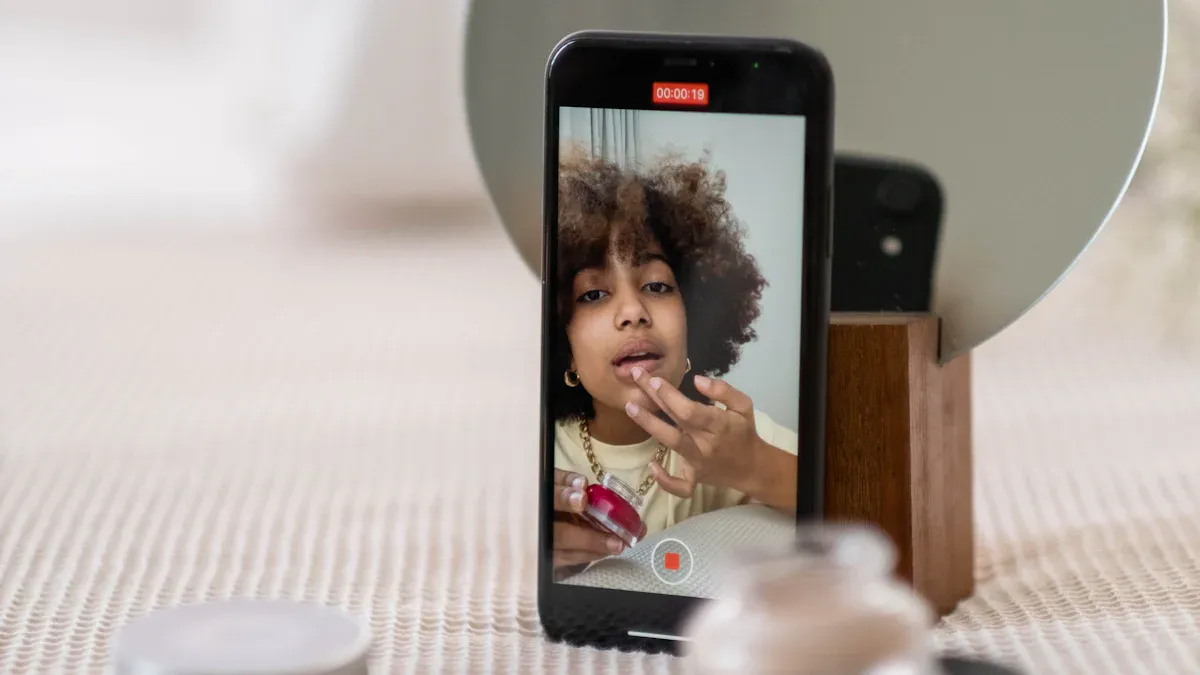
Compared to Instagram, TikTok creators are often more affordable. The culture of "lo-fi" content means you don't need expensive production budgets. A raw, authentic video shot on an iPhone often outperforms a polished studio ad. This lowers the barrier to entry for brands with limited budgets.
Cons: The Risks You Must Manage
1. Attribution is Still Messy
The "Dark Funnel" problem is real. A user might watch a TikTok review, close the app, and Google your brand three days later to buy. Traditional analytics will credit Google, not TikTok. While TikTok Shop helps, measuring the full impact of brand awareness campaigns remains a technical challenge.
2. The "Fake Guru" and Fraud Problem
As money flows into the platform, so do bad actors. Bot farms and engagement pods can inflate a creator's metrics. Without using a vetting tool like Scrumball or HypeAuditor, brands risk paying for "views" from non-existent humans.
3. Creative Burnout & Short Lifespan
TikTok content decays fast. A video typically peaks within 48 hours. To stay relevant, brands need a high volume of content ("always-on" strategy), which can burn out internal teams. Relying on creators helps, but managing dozens of relationships is operationally heavy.
4. Regulatory Uncertainty
The potential US ban (still legally contested in 2026) creates a layer of risk. Brands investing heavily in building a TikTok-exclusive audience are building on "rented land." Diversification onto YouTube Shorts or Instagram Reels is a necessary hedge.
Navigating Legal Compliance
In 2026, the FTC (USA) and ASA (UK) are using AI tools to scan for undisclosed ads. The "wild west" days are over.
Disclosure is Non-Negotiable
Hashtags like #ad buried in the comments are no longer sufficient. You must use the platform's native "Paid Partnership" toggle. Failure to do so can result in the algorithm suppressing your content or, worse, regulatory fines.
Usage Rights
Who owns the viral video? If you want to run the creator's video as a Spark Ad (paid ad), you need explicit usage rights in your contract. Never assume you can repurpose organic content without permission.
Conclusion
TikTok influencer marketing offers the highest potential reward in digital marketing today, but it requires a high tolerance for volatility. The brands winning in 2026 are those that embrace the chaos—using data to mitigate fraud, diversifying their creator roster to protect against burnout, and leveraging TikTok Shop to capture immediate ROI.
FAQ
Is TikTok influencer marketing expensive?
It varies. Nano-influencers (5k-10k followers) often accept free product or <$100 fees. However, top-tier creators can charge $20,000+ per post. The cost-per-view (CPV) is generally lower than Instagram or YouTube.
How do I track sales if I don't use TikTok Shop?
Use unique discount codes (e.g., TIKTOK20) for each creator. This allows you to track sales even if the user doesn't click the link in bio immediately. Post-purchase surveys ("How did you hear about us?") are also essential.
What if the US bans TikTok?
While the legal battle continues, the platform remains fully operational. Smart brands are cross-posting successful TikTok content to YouTube Shorts and Instagram Reels to build audiences on safer platforms simultaneously.
How do I find safe creators?
Don't rely on the "For You" page. Use a discovery platform like Scrumball to audit creators for brand safety (scanning past content for controversy) and audience authenticity (checking for bots).
Does polished content work on TikTok?
Rarely. TikTok users value authenticity. High-production commercials often get skipped instantly. The best performing ads look like native user content (UGC) shot on a phone.