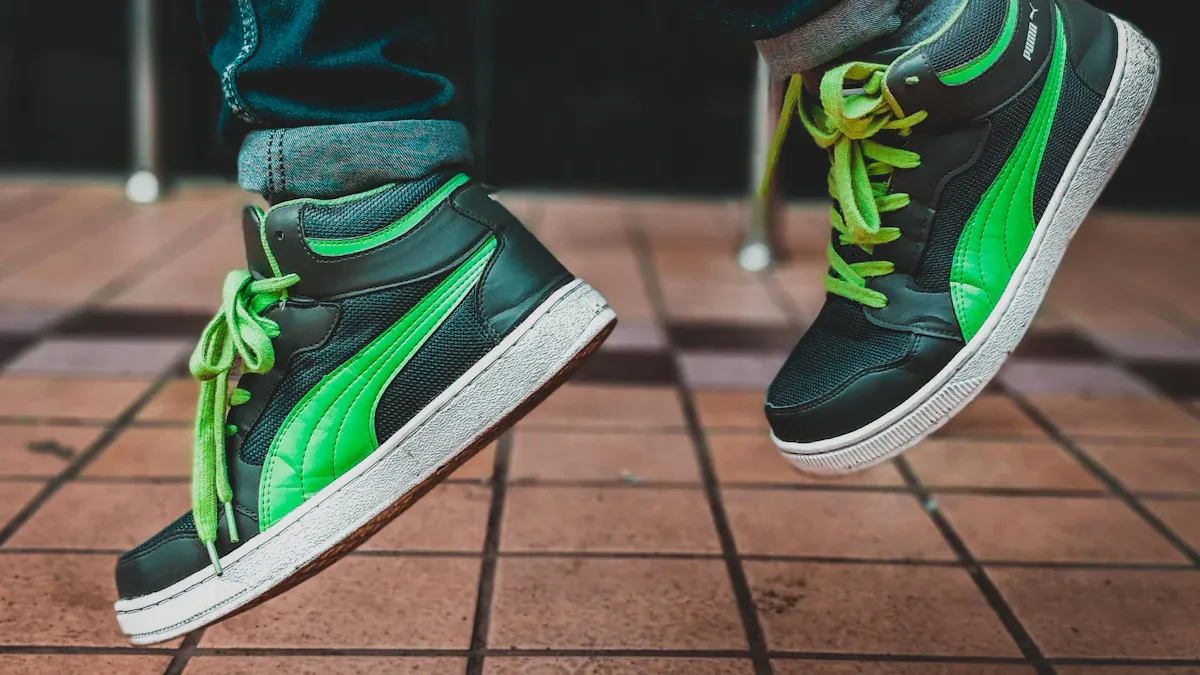

Puma has mastered the art of modern brand positioning by leveraging a sophisticated influencer marketing engine. Rather than relying solely on traditional advertising, the sportswear giant collaborates with a diverse spectrum of creators to ensure its message resonates with evolving lifestyles. Platforms like Instagram and TikTok are central to this strategy, allowing Puma to outperform competitors stuck in outdated channels.
The results speak for themselves. Data indicates that over 50% of Puma's Instagram followers actively engage with their content, a metric that far exceeds industry averages. In one specific campaign utilizing 300 micro and nano influencers, the brand generated 500,000 impressions and over 98,000 interactions in just 72 hours. This case study highlights how Puma builds authentic relationships at scale while keeping its audience inspired.
Puma Influencer Marketing: Goals and Approach
Goals of Puma’s Influencer Collaborations
Enhancing brand visibility among Gen Z and Millennials
Puma understands the economy of attention. By teaming up with culturally relevant influencers, the brand successfully penetrates the notoriously difficult Gen Z and Millennial markets. These collaborations position Puma not just as a sportswear company, but as a fashion-forward lifestyle choice.
With a reported 57.3% organic engagement rate on Instagram, Puma proves its ability to cut through the noise. The brand’s campaigns frequently focus on inclusivity and empowerment, ensuring that younger demographics feel represented rather than just targeted.
Aligning with cultural trends and lifestyle aspirations
To stay relevant, Puma aligns its marketing calendar with real-world cultural shifts. Influencer collaborations are designed to reflect current trends, from street fashion to wellness. Whether it is a bold fashion statement or athletic inspiration, Puma ensures its messaging fits seamlessly into the daily feeds of its audience. This "lifestyle-first" approach keeps the brand exciting and prevents it from feeling like a legacy corporation.
Approach to Selecting Influencers
Partnering with influencers who embody brand values
Puma is meticulous about selection. They prioritize influencers who genuinely align with the brand's identity—often seeking individuals who were fans of the products before any contract was signed. This authenticity is critical; it ensures that the audience perceives the collaboration as a natural partnership rather than a forced ad. When influencers share Puma’s core values, the resulting campaigns are significantly more impactful.
Balancing celebrity endorsements, micro-influencers, and virtual influencers
Puma’s strategy is a masterclass in balance. They utilize a "tiered" approach:
- Mega-Influencers: Stars like Virat Kohli and Kareena Kapoor Khan amplify mass reach.
- Micro-Influencers: Smaller creators connect deeply with niche communities.
- Virtual Influencers: Digital avatars add a futuristic touch for tech-savvy consumers.
This diverse mix allows Puma to compete with giants like Nike and Adidas while maintaining a distinct, culturally relevant voice.
Unique Engagement Tactics
Hosting e-sports events and experiential campaigns
Engagement goes beyond likes; it requires experience. Puma hosts e-sports events and experiential campaigns to immerse consumers in the brand’s world. For example, the #DoYou campaign exceeded expectations by utilizing 454 influencer posts to generate over 2.5 million engagements and 30 million impressions. These initiatives foster long-term loyalty by creating memories, not just ads.
Expanding influencer networks across diverse verticals
Puma’s strategy spans various verticals, ensuring visibility across different interest groups. By collaborating with micro and nano influencers, they achieve high-volume interactions in short timeframes. The brand also supports major sporting events like the UEFA Champions League Final to encourage user-generated content (UGC). This approach strengthens Puma’s presence across different markets and subcultures.
Notable Influencer Marketing Strategies and Campaigns

Celebrity Collaborations
Rihanna’s Fenty x Puma partnership
Rihanna’s collaboration through the Fenty x Puma line redefined celebrity partnerships. It wasn't just an endorsement; it was a creative overhaul. Each launch sparked massive online engagement, building a cult-like community around the products.
By leveraging social media influencers to wear and review the line, the partnership amplified the visibility of Fenty products. Rihanna’s influence helped Puma challenge traditional beauty standards and promote inclusivity, leveraging her cultural relevance to connect with a style-conscious generation.
Selena Gomez and the fashion-forward demographic
Selena Gomez brought a fresh perspective to Puma’s strategy, helping the brand align with contemporary fashion trends. This partnership appealed to young women who value the intersection of style and functionality. By tapping into Selena’s massive fanbase, Puma strengthened its position as a go-to brand for the modern, fashion-forward consumer.
Sports Personalities as Brand Ambassadors
Usain Bolt and performance credibility
Usain Bolt has been a long-standing pillar of Puma’s athletic image. His association reinforces the brand's commitment to high performance. While lifestyle marketing is key, Bolt’s global appeal ensures that Puma remains a top choice for serious athletes and fitness enthusiasts, synonymous with speed and excellence.
Neymar Jr.’s impact on football culture
Since joining Puma in 2020, Neymar Jr. has played a pivotal role in engaging soccer enthusiasts. Abigail Rogers, Puma’s Associate Creative Director for Football, has noted the meticulous effort behind these campaigns. His charisma on and off the field makes him an ideal ambassador to deepen the brand's connection with the global football community.
Micro-Influencer and Localized Campaigns
The power of #DoYou
Puma’s #DoYou campaign exemplifies the power of micro-influencers. The initiative delivered impressive results by focusing on volume and authenticity rather than just celebrity status.
| Metric | Campaign Value |
|---|---|
| Posts Created | 454 |
| Total Engagements | 2.5 million |
| Impressions | 30 million |
| Video Views | 13 million |
Localized success in India
Puma’s localization strategy is a key driver of its global revenue. In India, collaborations with cricket stars like Virat Kohli and Bollywood icons like Kareena Kapoor Khan made the brand relatable to a massive, diverse audience. This approach contributed to a 46% revenue increase in fiscal year 2022. By focusing on regional relevance, Puma successfully cornered one of the world’s most competitive markets.
Virtual Influencers and Digital Innovation
The Kosmo Rider launch
Puma is not afraid to experiment with the metaverse. The Kosmo Rider launch featured Maie, a virtual influencer, to amplify the brand's message through bold digital expression. This showcased Puma’s ability to stay ahead of trends and appeal to digital-native consumers.
| Year | Campaign | Virtual Talent | Strategic Benefit |
|---|---|---|---|
| 2020 | Rider Unlocked | Maya | First-mover advantage in virtual marketing |
| 2022 | Kosmo Rider | Maie | High appeal to gaming and tech audiences |
Connecting via NFTs and Roblox
Puma utilizes Web3 technologies to engage audiences where they play. Their NFT drops have been incredibly successful, with one collection selling out in just 38 minutes. Furthermore, Puma's immersive experiences on Roblox attracted over 4 million users, proving the brand has strong appeal with the next generation of consumers.
Impact of Puma’s Influencer Marketing Efforts
Boosting Brand Awareness
Puma has elevated its visibility by leveraging storytelling. Collaborations with high-profile celebrities integrate pop culture into the brand DNA. However, it is the tactical execution—such as generating 500,000 impressions in 72 hours via micro-influencers—that ensures this awareness converts into tangible brand recall.
Driving Consumer Engagement
Puma fosters organic advocacy by encouraging users to tag @puma and use hashtags like #ForeverFaster. This strategy boosts User Generated Content (UGC), creating a self-sustaining loop of engagement. The result is a 57.3% organic engagement rate, with a highly active follower base that participates in the brand narrative rather than just consuming it.
Contribution to Sales and Market Growth
Ultimately, these efforts impact the bottom line. Puma’s influencer marketing campaigns have directly fueled revenue growth. The strategic focus on inclusivity and localization has allowed Puma to surpass competitors in key markets like India, achieving 145% growth over a two-year period.
Lessons from Puma’s Influencer Marketing Success
Importance of Authenticity
Authenticity is the cornerstone of Puma’s success. Consumers trust influencers who genuinely believe in the products they promote. Enhancing credibility through honest partnerships makes the brand more trustworthy and appealing. By avoiding over-commercialized, "scripted" campaigns, Puma builds emotional connections that inspire long-term loyalty.
Staying Ahead of Trends
Puma stays relevant by adapting to cultural shifts. Whether it is merging sportswear with contemporary fashion via influencers like Tania Shroff, or exploring the top influencers in emerging markets, Puma remains agile.
Moreover, their willingness to embrace risk—such as entering the Metaverse and launching NFTs—positions them as an innovator. By exploring these new platforms, Puma ensures it remains connected to the pulse of youth culture.
Puma’s influencer marketing strategy has revolutionized how the brand connects with consumers. By collaborating with a mix of celebrities, sports icons, and micro-influencers, Puma creates campaigns that resonate across diverse demographics. The brand’s focus on authenticity, combined with a willingness to innovate through technology, ensures every campaign feels fresh. For marketers, Puma serves as a blueprint for how to drive growth and stay ahead in a hyper-competitive market.
FAQ
How does Puma choose the right influencers for its campaigns?
Puma selects influencers based on alignment with brand values and cultural relevance. They utilize a tiered strategy, partnering with global celebrities for reach, micro-influencers for niche engagement, and virtual influencers to target tech-savvy demographics, ensuring a blend of authenticity and scale.
Why does Puma focus on micro-influencers?
Micro-influencers possess highly engaged, niche audiences that trust their recommendations implicitly. By leveraging hundreds of smaller creators simultaneously, Puma can generate massive amounts of authentic content and engagement (like the 500k impressions in 72 hours) that feels organic rather than corporate.
What makes Puma's influencer campaigns stand out?
Puma distinguishes itself by blending high-performance sports heritage with modern pop culture and technology. Their campaigns are not just about shoes; they are about empowerment (#DoYou), inclusivity (Fenty), and innovation (Metaverse), making the brand a part of the consumer's lifestyle.
How do Puma's influencer campaigns impact consumers?
These campaigns inspire consumers to view sportswear as a vehicle for self-expression. By highlighting inclusivity and empowerment, Puma fosters a deeper emotional connection, motivating consumers to engage with the brand community and adopt the products as part of their identity.
Can Puma's influencer marketing strategy work for other brands?
Absolutely. The core principles—prioritizing authenticity, diversifying influencer tiers, and staying culturally relevant—are universally effective. Brands that focus on "who" they are partnering with, rather than just "how many" people they reach, can replicate this success in any industry.