TikTok has fundamentally altered the digital marketing landscape, shifting the power dynamic from corporate boardrooms to individual creators. To understand what is a TikTok influencer in 2026, you must recognize that they are not merely "video makers"—they are cultural architects, creative directors, and direct sales channels rolled into one.
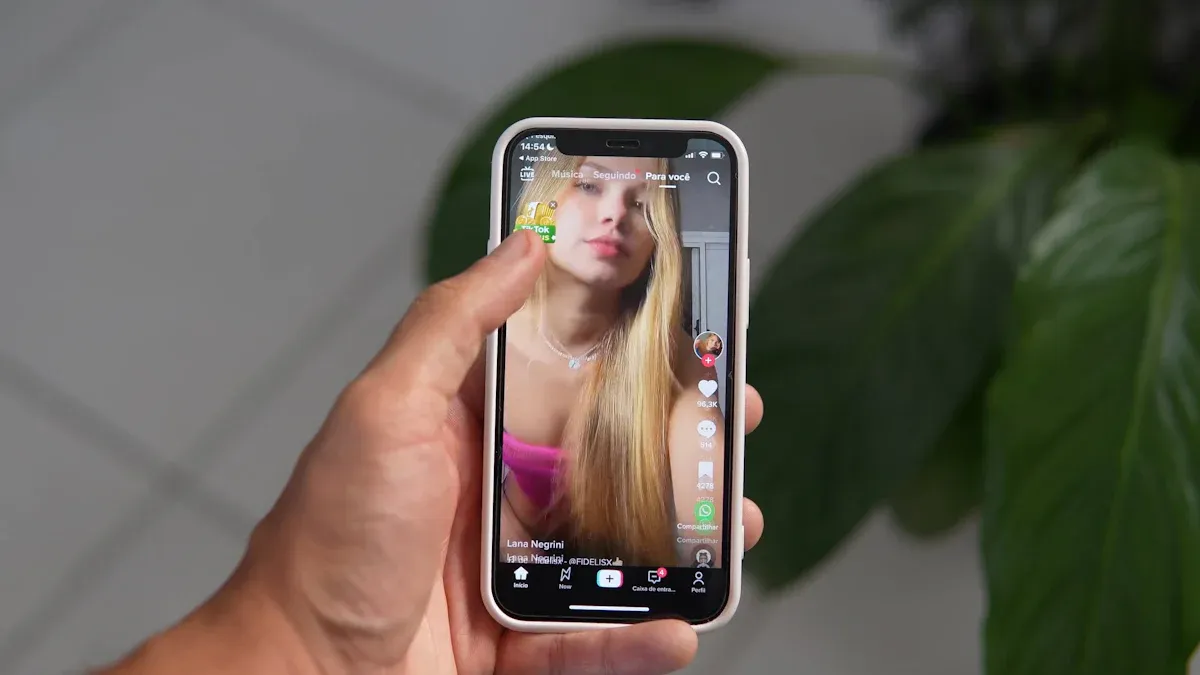
With over 1.8 billion active users globally, TikTok is the operating system of modern culture. Influencers on this platform possess the unique ability to turn a niche audio track into a Billboard hit or a small skincare brand into a household name overnight. Unlike other platforms where influence is static, TikTok influence is dynamic, driven by a meritocratic algorithm that rewards creativity over tenure.
Defining the Modern TikTok Creator
More Than Just Follower Counts
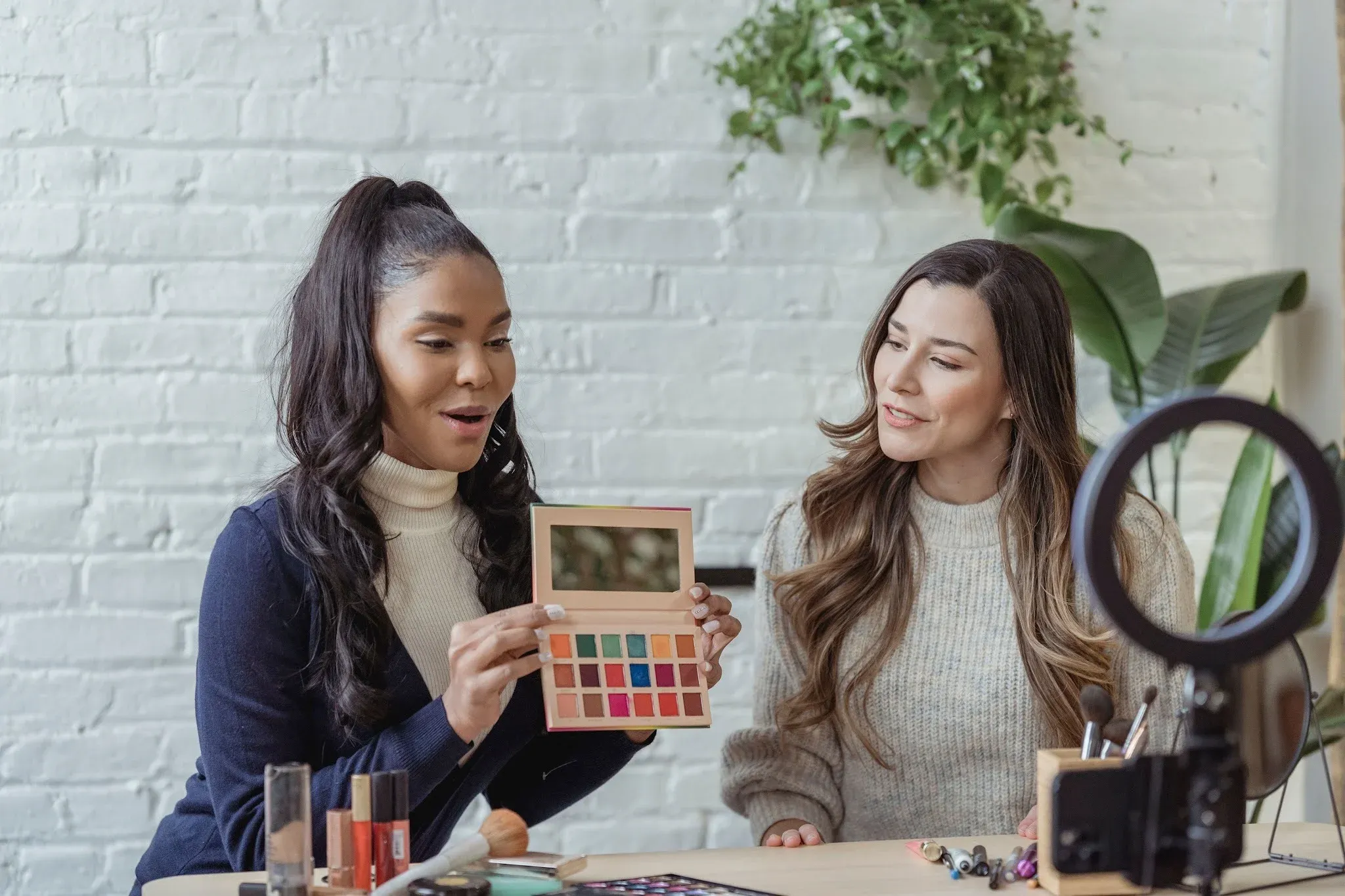
A TikTok influencer is defined by their ability to stop the scroll. They are creators who have built trust and credibility within a specific niche—whether it's #BookTok, #CleanTok, or #FinTok. Their content reflects their personality and expertise, making them relatable to their followers.
For example, creators like Romina Gafur didn't just gain followers; they built a community by sharing creative hacks and DIY tutorials. In 2026, the definition has expanded: influencers are now recognized as media entities. They shape opinions, spark trends, and drive purchasing decisions through "Shoppertainment"—the blend of entertainment and commerce.
The 4 Tiers of TikTok Influence
Not all influencers operate the same way. Understanding the hierarchy is crucial for budget allocation:
| Tier | Follower Count | Characteristics | Best For |
|---|---|---|---|
| Nano Influencers | 1K – 10K | Hyper-local, extremely high engagement, personal relationships with followers. | Niche targeting, product seeding, user-generated content (UGC). |
| Micro Influencers | 10K – 100K | The "Sweet Spot." High trust, professional content quality, affordable rates. | Conversions, sales, authentic reviews. |
| Macro Influencers | 100K – 1M | Professional creators, broad reach, trend-setters. | Brand awareness, launching new products. |
| Mega Influencers | 1M+ | Celebrity status, massive reach, lower engagement rates relative to size. | Global visibility, massive hype cycles. |
How They Operate: The Mechanics of Influence on TikTok
1. Mastering the "Interest Graph"
Unlike Instagram, which is a Social Graph (you see content from people you follow), TikTok is an Interest Graph (you see content based on what you like). Influencers understand this. They optimize their content for:
- Watch Time: Creating hooks in the first 3 seconds to prevent scrolling.
- Searchability: Using SEO keywords in captions and on-screen text, as 40% of Gen Z use TikTok as a search engine.
- Loopability: Creating seamless loops to increase replay value.
2. Leveraging Native Features (Duets, Stitch, & Green Screen)
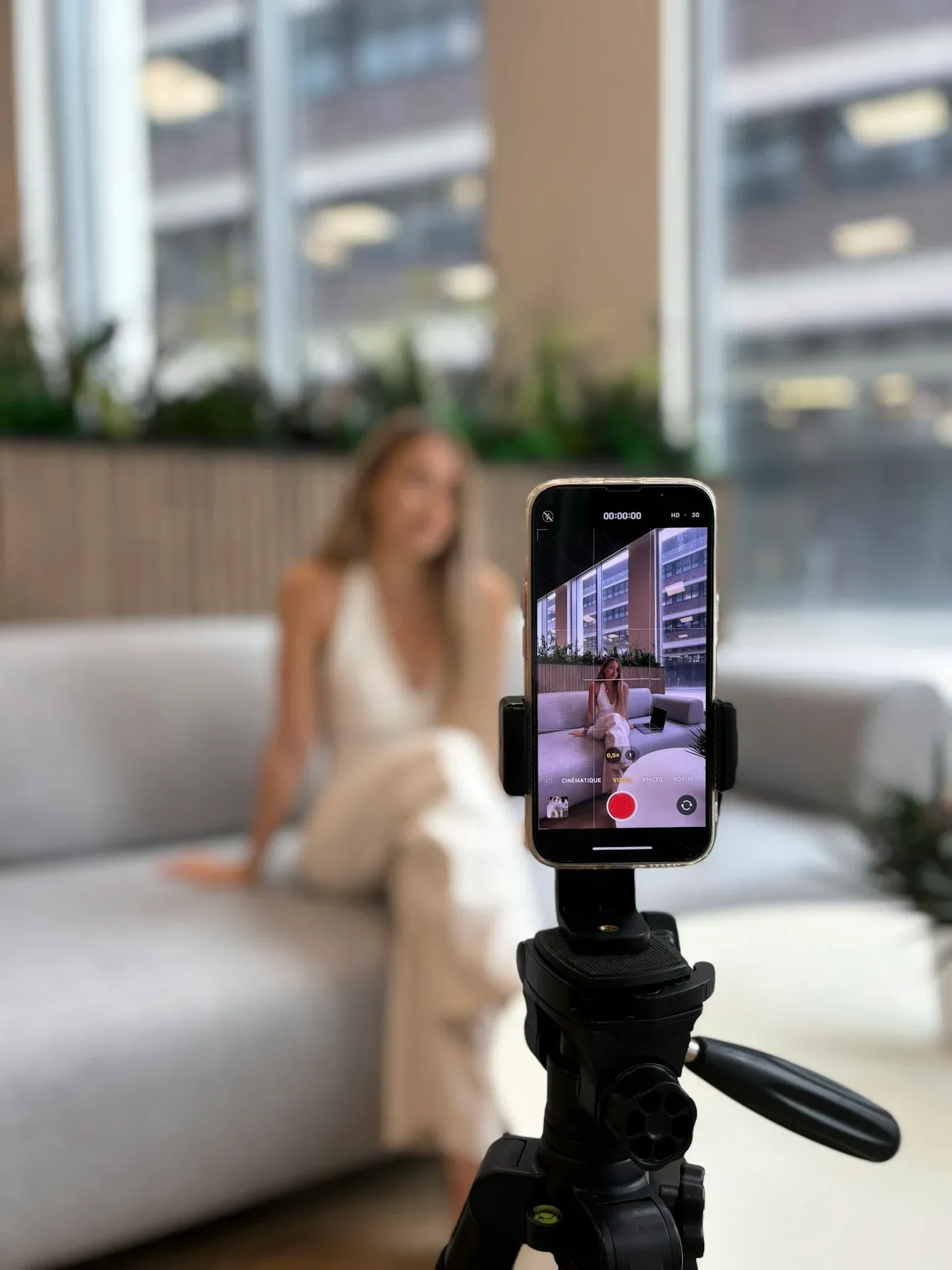
Influencers don't just broadcast; they collaborate. They use Stitch and Duet features to react to viral videos, effectively "drafting" off the momentum of other trends. This community-centric content creation makes them feel approachable and grounded, unlike the distant celebrities of the past.
3. The "TikTok Shop" Integration
In 2026, influencers are direct retailers. They use TikTok Shop features to tag products directly in their videos. This allows viewers to purchase items without leaving the app. Influencers operate as affiliate marketers, earning commissions on every sale, which aligns their incentives with the brand's success.
Why TikTok Influencer Marketing Is Critical for Brands in 2026?
Authenticity as a Currency
Consumers are suffering from "ad fatigue." They use ad blockers and scroll past sponsored posts. TikTok influencers pierce through this skepticism because their content feels native. When a creator shares a raw, unedited review of a product in their messy bedroom, it carries more weight than a million-dollar studio commercial.
Stat Check: 92% of consumers trust recommendations from individuals (even if they don't know them) over brands.
Driving "Viral" Sales Cycles
The "TikTok Made Me Buy It" phenomenon is not a fluke; it's a feature. Influencers can trigger viral sales cycles where a product sells out globally in days. Brands like CeraVe, Stanley, and The Pink Stuff owe their massive recent growth to organic influencer adoption that spiraled into global trends.
How to Identify the Right Creator Partner on TikTok?
1. Evaluate "Save Rates" Over Likes
Likes are vanity; Saves are sanity. A "Like" takes a split second. A "Save" indicates that the user found the content valuable enough to keep for later reference. High save rates correlate strongly with high purchase intent.
2. Audit Audience Authenticity
With the rise of AI bots, vetting is essential. Use tools like Scrumball to audit an influencer's audience. Look for:
- Engagement Quality: Are comments generic emojis (likely bots) or specific questions?
- Audience Location: Do their followers live in the regions you ship to?
- Growth Spikes: Did they gain 100k followers overnight (suspicious) or steadily over time (authentic)?
3. Assess Content Alignment
Does their "vibe" match yours? If you are a family-friendly brand, avoid influencers who use explicit tracks or controversial humor. Review their last 30 videos, not just their highlights.
Tips for Successful Collaborations
Allow Creative Freedom
This is the golden rule. Brands that hand over a strict script usually fail. TikTok users can smell a script from a mile away. Instead, provide a "Concept Brief" with key talking points, but let the influencer film and edit in their own unique style. They know what their audience hates.
Focus on Long-Term Ambassadors
One-off posts get views; long-term partnerships get trust. Seeing an influencer use a product once is interesting. Seeing them use it every week for 6 months is convincing. Shift your budget from "blasting" 50 influencers once to partnering with 5 influencers for a year.
Conclusion
In 2026, a TikTok influencer is the most powerful asset in a marketer's toolkit. They are the bridge between a brand and the next generation of consumers. By understanding their creative process and respecting their connection with their audience, brands can unlock a level of engagement and ROI that traditional media simply cannot match.
FAQ
How much does a TikTok influencer cost in 2026?
Costs vary based on engagement and niche. Generally, Nano influencers ($50-$200), Micro ($200-$1,000), Macro ($1,000-$5,000), and Mega ($10,000+). However, many deals now include a performance element (affiliate commission) alongside a lower base fee.
Do I need a TikTok account to run influencer ads?
No. You can run Spark Ads (TikTok's version of whitelisting) through the influencer's handle using your Business Manager account. This often performs better than ads coming from a brand profile.
What is a "UGC Creator" vs. an "Influencer"?
An Influencer posts content to their own feed to reach their audience. A UGC Creator creates content for your brand channel or ads, and does not necessarily post it to their own followers. Brands often hire both.
How do I measure success?
Look beyond views. Track Click-Through Rate (CTR), Cost Per Acquisition (CPA), and Video View Rate (6-second retention). Use unique discount codes or TikTok Shop tracking to measure direct sales.
Is TikTok safe for B2B brands?
Yes. The "TechTok" and "CorpTok" communities are massive. B2B brands partner with career coaches, Excel experts, and startup founders to reach decision-makers in a more human, relatable way.