

Influencer marketing is now a core growth driver, yet many brands still struggle to find the right creators and measure true campaign impact beyond likes and comments. Wasted spend on mismatched partnerships and an inability to connect influencer activity to revenue continue to plague campaigns across every industry.
Studying proven, successful campaigns offers a practical shortcut to better results. The best influencer marketing campaigns share replicable patterns that any brand can adapt, regardless of budget or team size.
This article breaks down some of the most successful and converting campaigns, extracts their core success factors, and shows how AI-powered tools can help you replicate those outcomes systematically.
20 Best Influencer Marketing Campaigns to Learn From in 2026
The following 20 campaigns span beauty, fitness, food, apparel, tech, and QSR. Each offers a distinct lesson that brands can apply today. More importantly, each demonstrates how strategic execution—not luck or massive budgets—drives real business results.
Hawaiian Tropic × Lifestyle Creators
| Brand Name | Hawaiian Tropic |
|---|---|
| Industry | Sun Care |
| Featured Creator | Alix Earle & Lifestyle Creators |
| Platform | TikTok, Instagram |
| Target Audience | Gen Z & Young Millennials |
Hawaiian Tropic’s Challenge & Market Context
Hawaiian Tropic operates in the highly competitive sun care category, where sunscreen is often viewed as a practical necessity rather than an exciting lifestyle product. The brand needed a way to increase relevance among younger consumers and encourage more consistent daily SPF use.
Hawaiian Tropic’s Strategy
To achieve this, Hawaiian Tropic partnered with Alix Earle (@alixearle) and a broader network of beauty and lifestyle creators in May 2026.
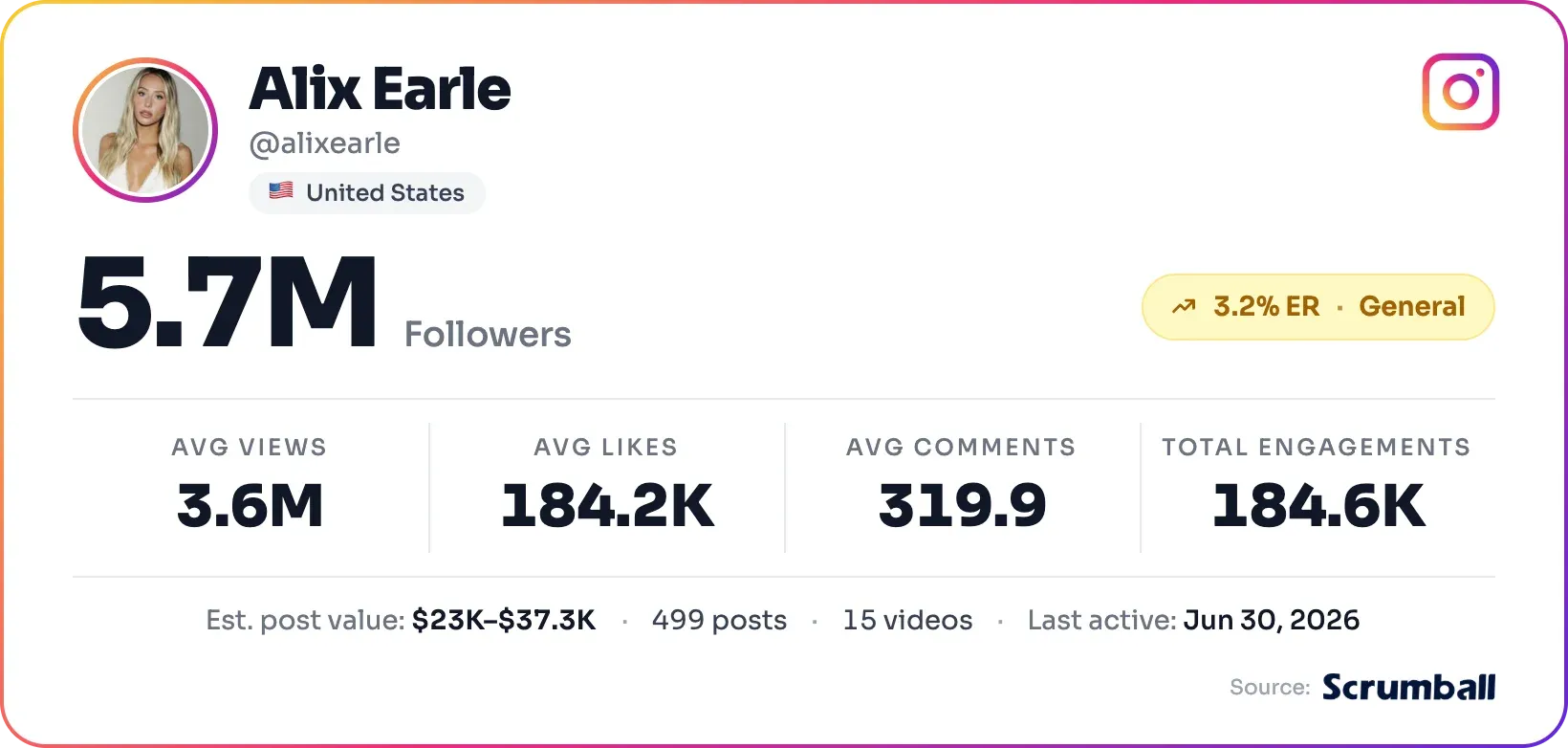
Their content focused on vacations, beach days, poolside relaxation, and everyday outdoor moments, presenting sunscreen as a natural part of enjoyable self-care routines.
Why It Worked For Hawaiian Tropic
The campaign succeeded because audiences encountered the brand through multiple trusted voices rather than a single endorsement. Consistent creator exposure generated large-scale social proof and helped position sunscreen use as both aspirational and relatable across different consumer segments.
Airalo × 266 Travel Creators
| Brand Name | Airalo |
|---|---|
| Industry | Travel Tech |
| Featured Creator | 266 Travel Creators |
| Platform | TikTok, YouTube, Instagram |
| Target Audience | Travelers in Brazil & LATAM |
Airalo's Awareness Gap
Airalo wanted to increase awareness of its eSIM solution among travelers across Brazil and Latin America. While the product solved a common connectivity challenge, the brand needed to demonstrate its value in relatable travel situations and build trust among diverse audiences preparing for international trips.
Airalo's Creator Activation
In late 2024 and early 2025, Airalo partnered with The Influencer Marketing Factory and activated more than 250 travel creators across TikTok, YouTube, and Instagram. Creators used humor, storytelling, and culturally relevant travel content to showcase the affordability, convenience, and practical benefits of Airalo's eSIM service.
Why It Worked For Airalo
The campaign succeeded because audiences encountered consistent product messaging through hundreds of trusted creator voices. By demonstrating real travel experiences rather than technical features, Airalo generated large-scale social proof, achieving more than 42.8 million views while increasing awareness across multiple traveler segments.
Dove Men × Hundreds of Creators
| Brand Name | Dove Men |
|---|---|
| Industry | Personal Care |
| Featured Creator | Marshawn Lynch, Jordyn Woods & Hundreds of Creators |
| Platform | TikTok, YouTube, Instagram |
| Target Audience | Sports Fans & Male Consumers |
Dove Men's Challenge & Market Context
During the 2026 FIFA World Cup, Dove Men wanted to maximize visibility across one of the world's most competitive and attention-intensive marketing environments. Rather than relying on a small number of celebrity endorsements, the brand needed a strategy capable of reaching diverse audience segments at scale throughout the tournament.
Dove Men's Strategy
To achieve this marketing goal, Dove Men activated a large creator network spanning TikTok, YouTube, and Instagram. The campaign combined high-profile creators such as Marshawn Lynch (@Marshawn Lynch) and Jordyn Woods (@HEIR JORDYN) with a broad layer of micro-influencers ranging from 10,000 to 100,000 followers, creating multiple audience entry points across platforms.
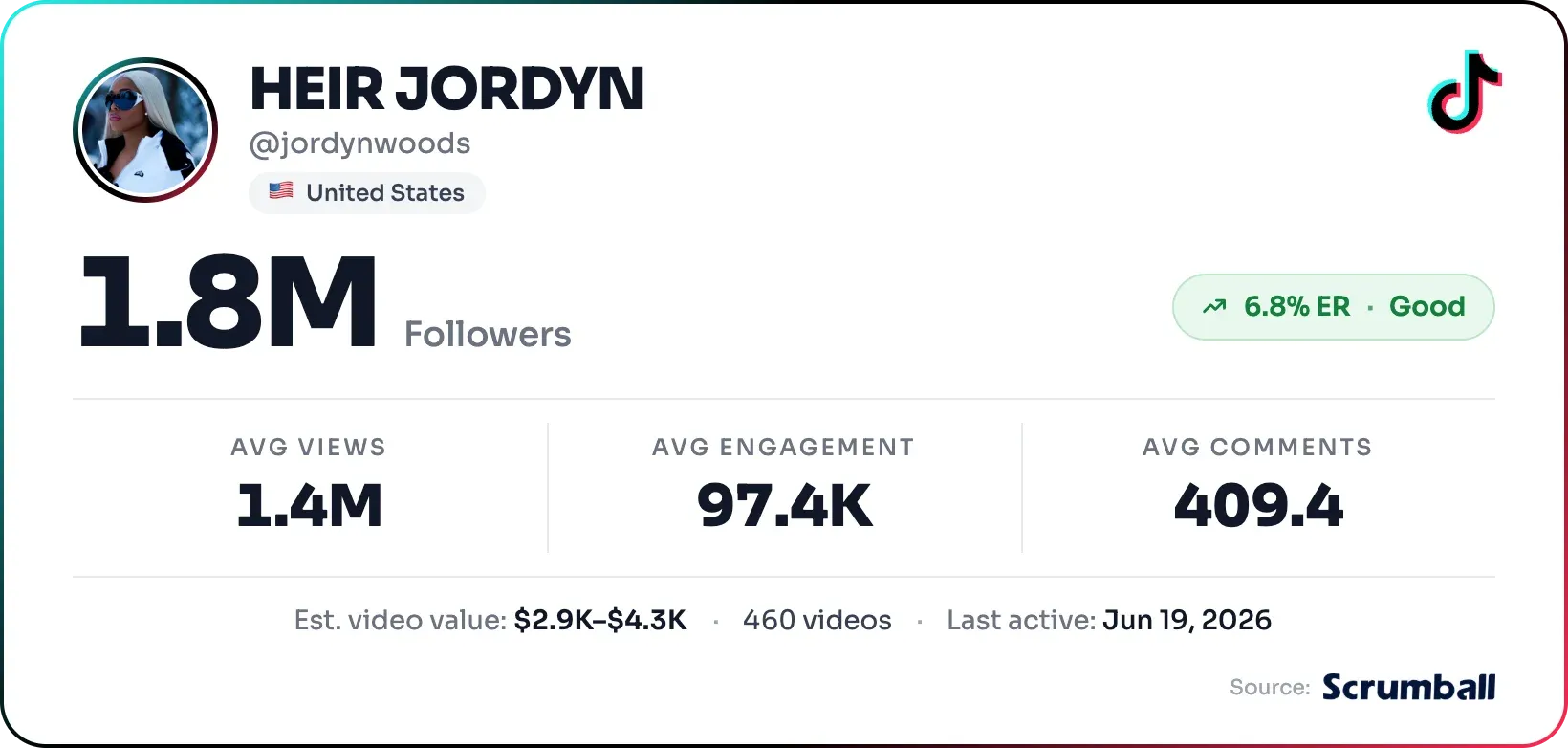
Why It Worked For Dove Men
The campaign succeeded because each creator's tier served a distinct purpose within the overall strategy. Major creators generated large-scale awareness, while micro-creators delivered continuous engagement and niche audience relevance. Together, the creator army helped Dove Men reach more than 150 million potential consumers and maintain consistent visibility throughout the World Cup.
Microsoft Copilot × Gen Z Creators
| Brand Name | Microsoft |
|---|---|
| Industry | AI |
| Featured Creator | Brigette & Danielle Pheloung + Gen Z Creators |
| Platform | |
| Target Audience | Gen Z |
Microsoft Copilot’s Challenge & Market Context
Microsoft wanted to make Copilot feel relevant and approachable for Gen Z, who may view AI as complex or disconnected from everyday needs. The company needed a way to demonstrate practical, everyday value beyond productivity, driving adoption among students, creatives, and young professionals, and positioning AI as a lifestyle.
Microsoft Copilot’s Strategy
In Q4 2025, Microsoft launched a creator-led marketing initiative featuring a diverse set of Gen Z and lifestyle influencers. For instance, fashion duo Brigette (@acquired.style) & Danielle Pheloung (@daniellepheloung) used Copilot to design standout looks for New York Fashion Week, showcasing how AI can fuel creative and stylistic decisions.
Why It Worked For Microsoft Copilot
The campaign succeeded because diverse creators showcased unique use cases that reflected their own lifestyles and interests. Rather than promoting AI through technical explanations, Microsoft highlighted practical benefits through relatable creator experiences, helping increase familiarity and trust among younger users.
Gymshark × Chris Bumstead
| Brand Name | Gymshark |
|---|---|
| Industry | Activewear |
| Collab Type | Long-Term Ambassador Partnerships |
| Featured Creator | Chris Bumstead |
| Platform | Instagram, YouTube |
| Target Audience | Fitness Enthusiasts |
Gymshark's Competitive Challenge
Gymshark entered a crowded activewear market dominated by much larger competitors. Rather than relying heavily on traditional advertising, the brand focused on cultivating a loyal fitness community built around creators who shared its values and audience interests.
Gymshark's Ambassador Approach
As of May 2026, Chris Bumstead (@cbum) became one of Gymshark's most recognizable long-term ambassadors.
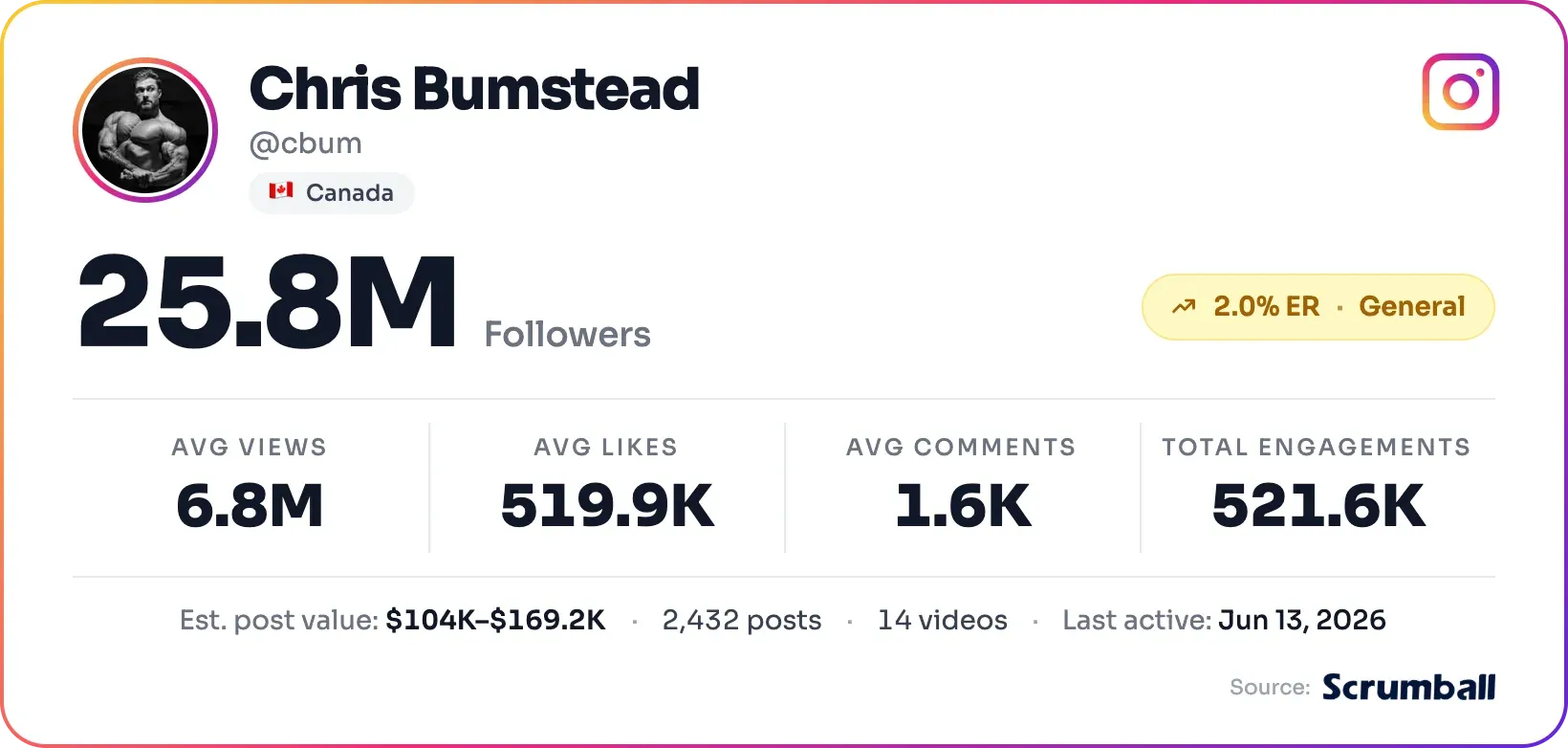
Through years of consistent collaboration, product integrations, event appearances, and community engagement, the partnership evolved beyond sponsorship into a relationship that audiences perceived as genuine and mutually beneficial.
Why It Worked For Gymshark
The strategy worked because followers repeatedly saw authentic brand advocacy over time rather than isolated promotional posts. This consistency strengthened trust, reinforced Gymshark's fitness-first identity, and helped transform ambassadors into influential community leaders who drove sustained engagement and sales.
Expedia × IShowSpeed
| Brand Name | Expedia |
|---|---|
| Industry | Travel |
| Collab Type | Long-Term Ambassador Partnership |
| Featured Creator | IShowSpeed |
| Platform | YouTube, TikTok |
| Target Audience | Gen Z Travelers |
Expedia's Relevance Challenge
Expedia wanted to strengthen its connection with younger travelers who increasingly discover destinations and travel inspiration through creator content rather than traditional advertising. The brand needed a way to remain consistently relevant within Gen Z culture while building deeper audience engagement over time.
Expedia's Year-Long Partnership
Beginning in December 2025, Expedia signed a year-long partnership with IShowSpeed (@IShowSpeed).
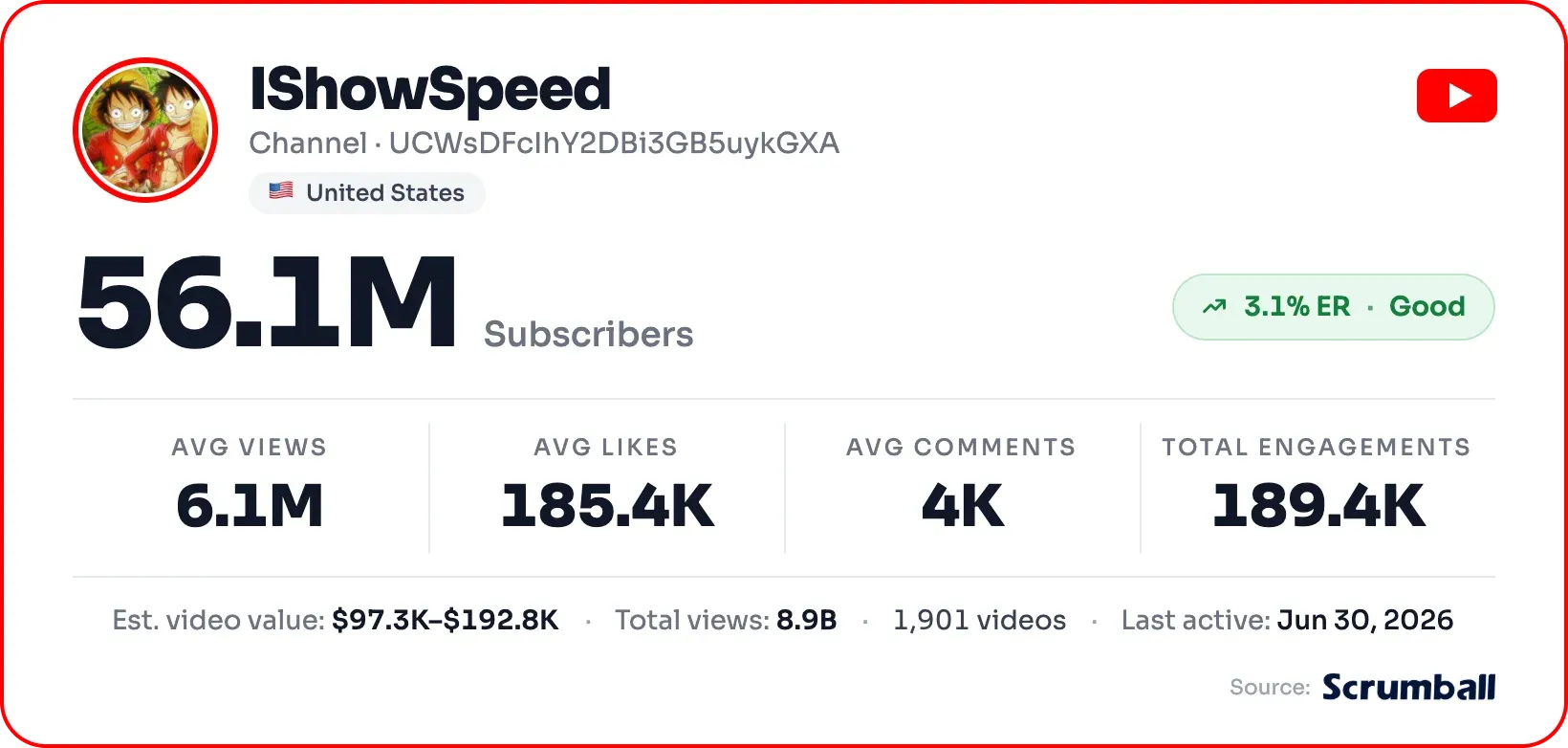
The collaboration transformed the creator into an always-on audience channel, allowing the brand to appear across travel-related experiences, content moments, and conversations that resonated with his global fan base.
Why It Worked For Expedia
The partnership succeeded because repeated exposure strengthened familiarity and trust. Instead of relying on a single campaign burst, Expedia benefited from sustained visibility among Gen Z audiences, creating a more authentic connection between travel inspiration, creator influence, and long-term brand awareness.
SharkNinja × David Beckham & Kevin Hart
| Brand Name | SharkNinja |
|---|---|
| Industry | Home Appliances |
| Collab Type | Long-Term Ambassador Partnership |
| Featured Creator | David Beckham & Kevin Hart |
| Platform | Multi-Platform |
| Target Audience | Household Consumers |
SharkNinja's Brand Connection Challenge
As SharkNinja expanded across multiple household product categories, the company needed a way to build stronger emotional connections with consumers beyond traditional product-focused advertising. The challenge was creating memorable brand associations while maintaining relevance across diverse consumer audiences.
SharkNinja's Storytelling Strategy
In October 2025, SharkNinja established long-term ambassador partnerships with David Beckham (@David Beckham) and Kevin Hart (@kevinhart4real).
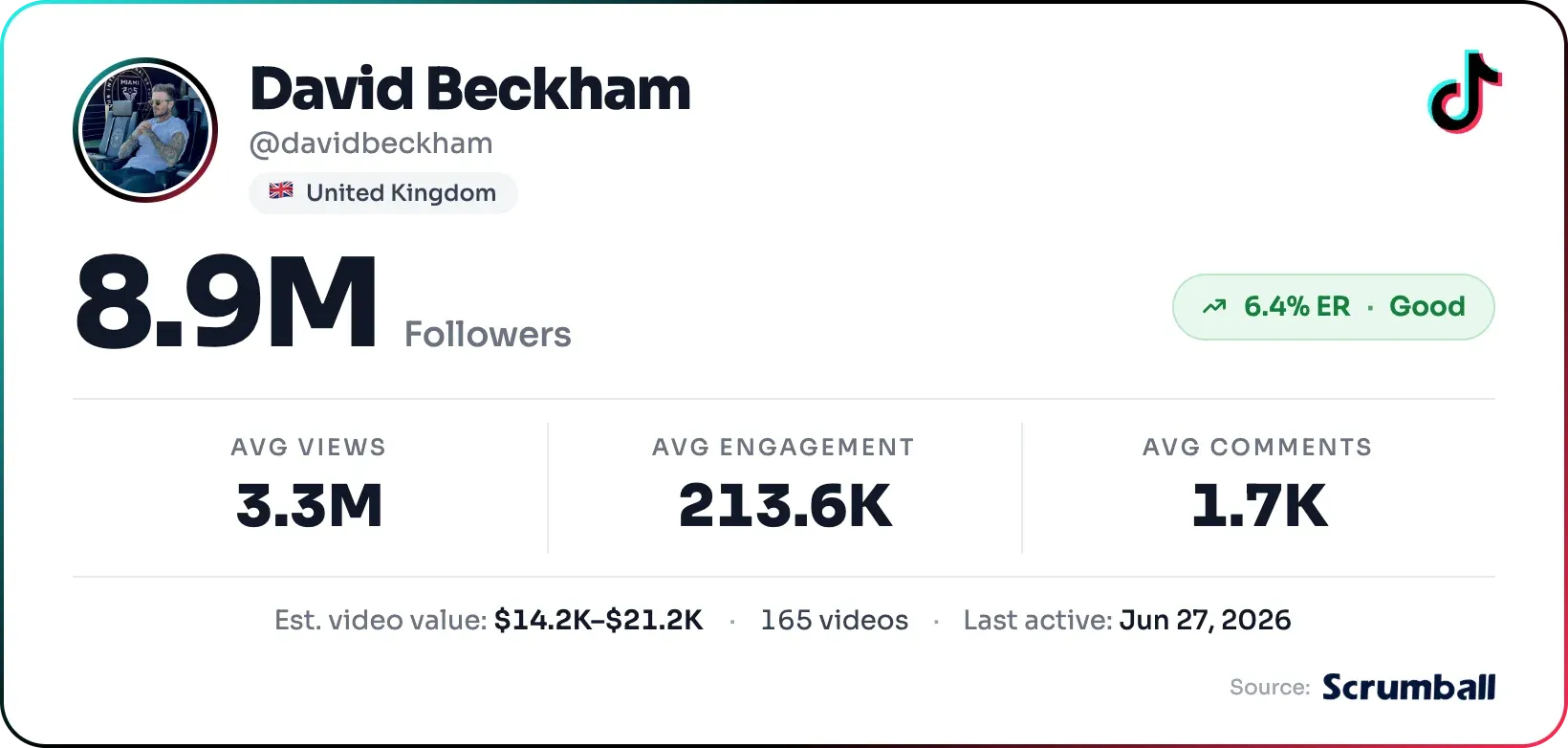
The collaboration launched through a digital content series that portrayed the two ambassadors as neighbors, using humor and everyday situations to showcase products in a natural and entertaining way.
@sharkninjatr David Beckham’ın favorisi Ninja Crispi ✨ Pişir → servis et → sakla → yeniden çıtırlaştır 🔥 #SharkNinja #Ninja #Crispi ♬ orijinal ses - sharkninjatr
Why It Worked For SharkNinja
The strategy worked because audiences repeatedly encountered the brand through familiar personalities over an extended period. The ongoing storytelling format strengthened brand recall, increased relatability, and helped position SharkNinja products as practical solutions that naturally fit into everyday household life.
Nike × LISA (BLACKPINK)
| Brand Name | Nike |
|---|---|
| Industry | Sportswear |
| Collab Type | Long-Term Ambassador Partnership |
| Featured Creator | LISA (BLACKPINK) |
| Platform | Multi-Platform |
| Target Audience | Global Youth Consumers |
Nike's Cultural Relevance Goal
Nike continually seeks influential figures who can connect with younger consumers beyond traditional sports audiences. The brand needed a partner whose personal identity, cultural influence, and global reach aligned naturally with its mission of inspiring confidence, movement, and self-expression.
Nike's Long-Term Ambassador Strategy
Rather than relying on a one-time celebrity endorsement, in January 2026, Nike established a long-term ambassador relationship with BLACKPINK member LISA (@lalalalisa_m).
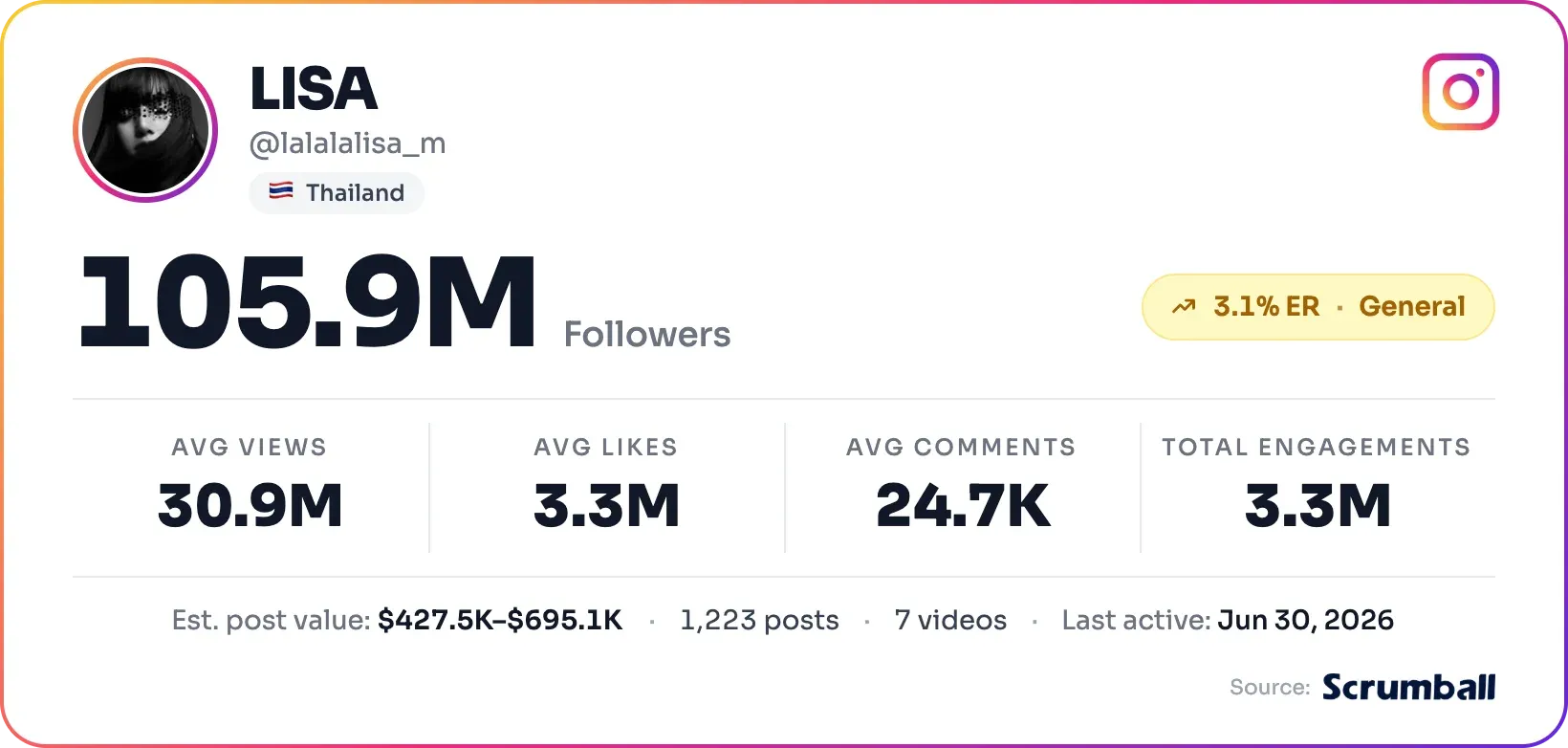
She became a prominent face across global campaigns, advertisements, and brand initiatives, helping connect Nike's products with fashion, lifestyle, and youth culture.
Why It Worked For Nike
The collaboration succeeded because audiences perceived a genuine fit between the creator and the brand. Repeated appearances across campaigns reinforced credibility, strengthened emotional affinity, and helped Nike maintain relevance among younger consumers while extending its influence beyond performance-focused sports marketing.
Vuori × Tom Holland
| Brand Name | Vuori |
|---|---|
| Industry | Activewear |
| Collab Type | Authentic Celebrity Storytelling |
| Featured Creator | Tom Holland |
| Platform | Instagram, YouTube |
| Target Audience | Lifestyle Consumers |
Vuori's Differentiation Challenge
As activewear brands increasingly compete for consumer attention, Vuori needed a way to differentiate itself without relying on traditional celebrity advertising. The brand sought to communicate its lifestyle positioning while maintaining the authenticity that modern audiences increasingly expect.
Vuori's Everyday-Moments Approach
Rather than producing highly scripted promotional content, in May 2025, Vuori featured Tom Holland (@tomholland2013) in relaxed everyday situations such as walking his dog, grabbing coffee, and spending time at home.
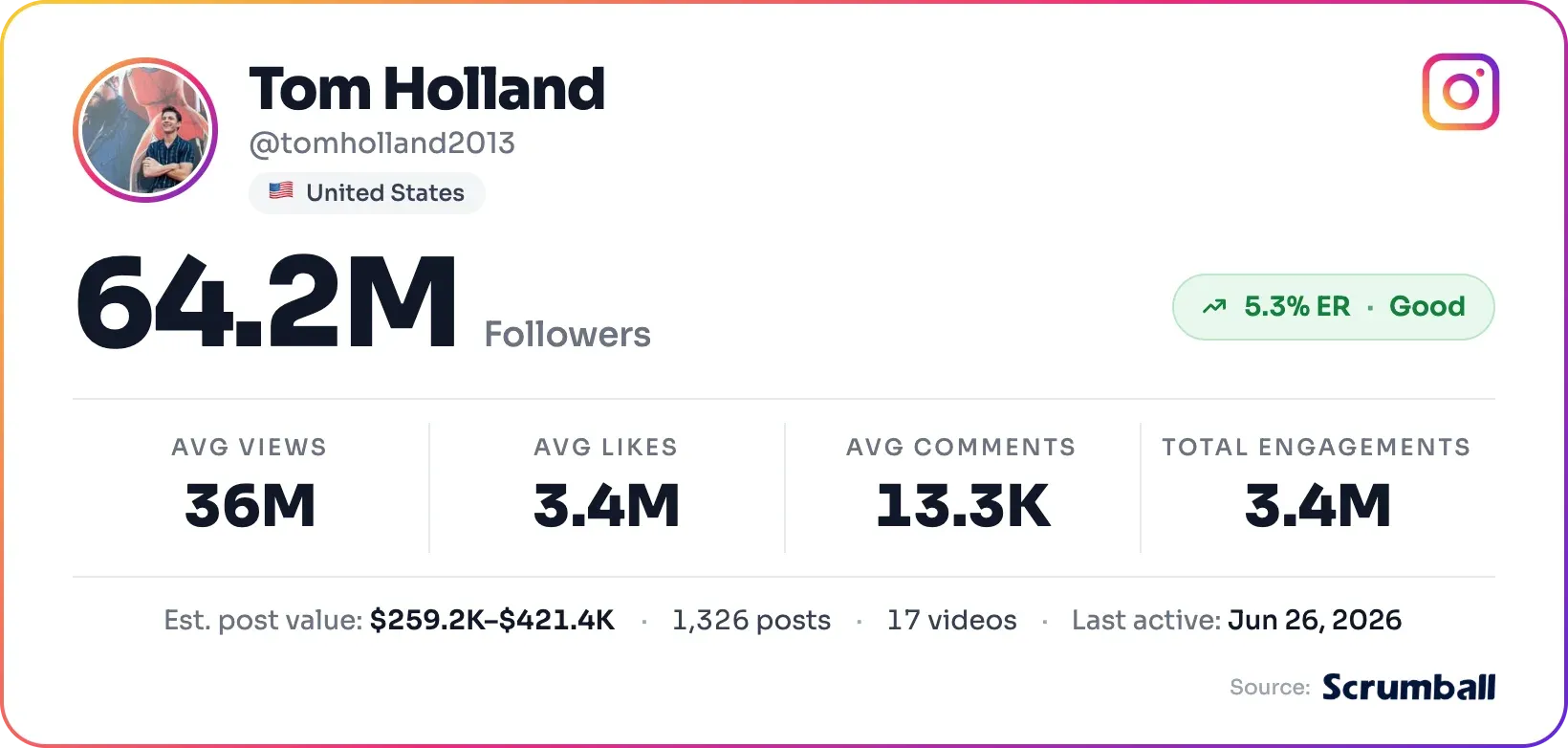
The campaign emphasized natural moments that reflected how consumers actually wear the brand.
Why It Worked For Vuori
The content resonated because it felt human and unscripted. Audiences saw Holland as a genuine participant rather than a spokesperson reading a marketing message, helping Vuori strengthen brand affinity while generating meaningful increases in awareness, traffic, and product interest.
Hilton × Deepika Padukone
| Brand Name | Hilton |
|---|---|
| Industry | Hospitality |
| Collab Type | Authentic Celebrity Storytelling |
| Featured Creator | Deepika Padukone |
| Platform | Instagram Reels |
| Target Audience | Global Travelers |
Hilton's Emotional Connection Goal
Hilton sought to strengthen its emotional connection with travelers in an increasingly competitive hospitality market. Rather than focusing solely on accommodations and amenities, the brand wanted to communicate the personal meaning of travel experiences and build stronger resonance with global audiences.
Hilton's Storytelling Campaign
In June 2025, Hilton partnered with global ambassador Deepika Padukone (@deepikapadukone) and developed a storytelling-driven campaign centered on meaningful travel moments. Through Instagram Reels and other digital content, the collaboration highlighted themes of exploration, purpose, and personal growth rather than traditional hotel promotion.
Why It Worked For Hilton
The campaign succeeded because audiences connected with the story behind the journey rather than the property itself. By placing authentic experiences at the center of the narrative, Hilton generated exceptional engagement and demonstrated how purpose-driven storytelling can elevate influencer marketing beyond product-focused messaging.
Coach × Charli XCX & Angel Reese
| Brand Name | Coach |
|---|---|
| Industry | Luxury Fashion |
| Collab Type | Authentic Celebrity Storytelling |
| Featured Creator | Charli XCX & Angel Reese |
| Platform | TikTok, Instagram |
| Target Audience | Gen Z & Young Luxury Consumers |
Coach's Gen Z Connection Challenge
Luxury fashion brands are increasingly challenged to connect with younger consumers who value authenticity, self-expression, and participation over traditional status-driven marketing. Coach needed a way to move beyond conventional celebrity endorsements and create a more flexible storytelling approach that reflected how Gen Z engages with culture and identity.
Coach's & Coach Platform Strategy
In June 2026, Coach launched &Coach, an always-on storytelling platform featuring Gen Z collaborators, creators, and culture-shaping celebrities. The initiative included partners such as Charli XCX (@charli_xcx) and Angel Reese (@angel.reese), who shared personal stories, creative journeys, and cultural perspectives. Rather than relying on traditional celebrity endorsements, Coach positioned collaborators as authentic voices shaping the brand narrative.
Why It Worked For Coach
The campaign succeeded by transforming celebrity partnerships into ongoing brand storytelling rather than one-time endorsements. By giving collaborators freedom to express their identities, Coach built stronger connections with younger audiences and positioned the brand as a platform for individual expression rather than luxury status alone.
Jacquemus × Liline Jacquemus
| Brand Name | Jacquemus |
|---|---|
| Industry | Luxury Fashion |
| Collab Type | Authentic Celebrity Storytelling |
| Featured Creator | Liline Jacquemus |
| Platform | |
| Target Audience | Fashion Enthusiasts |
Jacquemus's Differentiation Challenge
As luxury fashion brands increasingly compete through celebrity partnerships, Jacquemus needed a way to differentiate itself while remaining true to its identity. The brand sought a campaign that would communicate authenticity, heritage, and emotional connection rather than relying on conventional influencer marketing tactics.
Jacquemus's Family-Centered Approach
Instead of appointing a global celebrity ambassador, in January 2026, Jacquemus selected founder Simon Porte Jacquemus (@simon_porte_jacquemus)'s grandmother, Liline Jacquemus. Her appearance in campaign content celebrated family, memory, and personal history, creating a narrative that reflected the values and origins behind the brand itself.
Why It Worked For Jacquemus
The campaign succeeded because the story felt unexpected and deeply human. By elevating a family figure rather than a traditional celebrity, Jacquemus created a distinctive narrative that resonated emotionally with audiences and reinforced the brand's commitment to authenticity and personal storytelling.
Samsung × Lifestyle Creators
| Brand Name | Samsung |
|---|---|
| Industry | Consumer Electronics |
| Collab Type | Product Demonstration Campaign |
| Featured Creator | Lifestyle Creator Network |
| Platform | TikTok, Instagram, YouTube |
| Target Audience | Everyday Tech Users |
Samsung's Technology Relevance Challenge
Samsung regularly faces the challenge of making advanced smartphone technology meaningful to everyday consumers. Technical specifications alone rarely create emotional connections, particularly among audiences more interested in experiences and outcomes than hardware performance metrics.
Samsung's Natural Integration Approach
To bridge this gap, Samsung partnered with photographers, travel creators, parents, and lifestyle influencers who incorporated devices naturally into their existing content in February 2026. Instead of highlighting specifications, creators demonstrated how Samsung products enhanced daily activities and memorable personal experiences.
Why It Worked For Samsung
This approach made technology feel accessible and relevant. By seeing products used in authentic situations, consumers could more easily understand practical value, leading to stronger purchase consideration than campaigns focused primarily on technical features or traditional advertising messages.
Wild × 22 Lifestyle Creators
| Brand Name | Wild |
|---|---|
| Industry | Personal Care |
| Collab Type | Product Demonstration Campaign |
| Featured Creator | Lifestyle Creators |
| Platform | TikTok, Instagram |
| Target Audience | Sustainability-Conscious Consumers |
Wild's Everyday Relevance Challenge
Wild needed to demonstrate the everyday value of its refillable deodorants in a way that felt practical rather than educational. While sustainability remained an important differentiator, the brand wanted consumers to see the product as a seamless part of daily life rather than a niche eco-friendly alternative.
Wild's Routine-Focused Approach
Throughout the first half of 2025, Wild partnered with lifestyle creators across TikTok and Instagram who incorporated the product into shopping hauls, morning routines, and "get ready with me" content. Creators highlighted favorite scents, stylish refillable cases, and personal usage habits through authentic lifestyle-focused storytelling.
@lottie..weaver So glad I discovered @wildrefill Aluminum-free Deodorant and added it into my routine! I have always been on the hunt for a deodorant that’s refillable, long-lasting, and gentle on the skin. The best part is it’s finally available at @target now @Wild USA ! #wildpartner #targethaul #targetstyle #wildrell #ad #targetclean #wildrefill ♬ original sound - ✨Lottie✨
Why It Worked For Wild
The campaign succeeded because audiences saw the product being used in relatable, real-world situations. Rather than emphasizing features alone, creators demonstrated how Wild fit naturally into existing routines, making sustainable personal care feel accessible, desirable, and easy to adopt.
OMO Wonder Wash × Lifestyle Challenge Creators
| Brand Name | OMO Wonder Wash |
|---|---|
| Industry | Household Care |
| Collab Type | Product Demonstration Campaign |
| Featured Creator | Lifestyle Creators |
| Platform | TikTok, YouTube |
| Target Audience | Busy Households |
OMO's Attention Challenge
OMO wanted to communicate the benefits of its Wonder Wash product in a crowded household care market where functional product claims often struggle to capture attention. The brand needed a creative way to make its 15-minute wash cycle both memorable and easy for consumers to understand.
OMO's Lifestyle Challenge Approach
Introduced in 2025, instead of relying on conventional demonstrations, OMO transformed the product feature into a lifestyle challenge. Creators incorporated the 15-minute wash cycle into their daily routines and challenged themselves to complete activities before the laundry finished, making the benefit highly visible and shareable.
Why It Worked For OMO
The campaign worked because consumers experienced the product advantage through action rather than explanation. By turning a technical feature into engaging creator content, OMO made the benefit easier to remember while encouraging participation, conversation, and broader social sharing.
Mahindra XEV 9S × Real Estate Creators
| Brand Name | Mahindra XEV 9S |
|---|---|
| Industry | Automotive |
| Collab Type | Product Demonstration Campaign |
| Featured Creator | Real Estate Creators |
| Platform | YouTube, TikTok |
| Target Audience | Urban Professionals |
Mahindra's EV Positioning Challenge
As electric vehicles become increasingly mainstream, Mahindra wanted to position the XEV 9S as a practical lifestyle choice rather than a niche technology purchase. The challenge was helping consumers view EV ownership as a natural progression within modern living rather than a dramatic behavioral shift.
Mahindra's Lifestyle-Led Approach
In late November 2025, Mahindra partnered with real estate and lifestyle creators instead of relying exclusively on automotive influencers. Their content focused on how the vehicle integrated into everyday routines, residential communities, and contemporary lifestyles, highlighting convenience and usability rather than technical specifications.
Why It Worked For Mahindra
The campaign succeeded because it reframed electric mobility through a lifestyle lens. By showing the vehicle in familiar daily contexts, creators helped normalize EV ownership and encouraged audiences to view electric transportation as an accessible part of modern life rather than an emerging technology trend.
McDonald's UK × GK Barry
| Brand Name | McDonald's UK |
|---|---|
| Industry | QSR |
| Collab Type | Community Participation / UGC-Driven Campaign |
| Featured Creator | GK Barry & #Addyours Participants |
| Platform | |
| Target Audience | Gen Z Consumers |
McDonald's UK's Authenticity Challenge
McDonald's UK wanted to create social content that felt native to online culture rather than traditional brand advertising. The challenge was encouraging genuine audience interaction while maintaining authenticity in a highly competitive and fast-moving social media environment.
McDonald's UK's "Add Yours" Activation
Launched in March 2026, the campaign partnered with creator GK Barry (@gkbarry_) and centered around her real camera roll. Inspired by these candid images, McDonald's launched an interactive "Add Yours" activation that encouraged users to share their own authentic food-related moments and experiences.
Why It Worked For McDonald's UK
Participation became the campaign's biggest strength. Audiences were invited to contribute rather than simply observe, generating large volumes of user-generated content, stronger engagement signals, and meaningful connections between online activity and real-world store visitation.
e.l.f. Cosmetics × #eyeslipsface challenge
| Brand Name | e.l.f. Cosmetics |
|---|---|
| Industry | Beauty |
| Collab Type | Community Participation / UGC-Driven Campaign |
| Featured Creator | #eyeslipsface Participants |
| Platform | TikTok |
| Target Audience | Beauty Enthusiasts |
e.l.f.'s Budget & Awareness Challenge
e.l.f. Cosmetics wanted to increase brand awareness and engagement among younger consumers on TikTok while competing against larger beauty brands with significantly bigger advertising budgets. The company needed a scalable campaign that could encourage participation rather than simply generate passive views.
e.l.f.'s Branded Challenge Approach
Since its launch in 2019, e.l.f. launched the #eyeslipsface challenge and invited users to create beauty-related content using an original branded soundtrack. Creators and everyday users alike participated in the trend, producing their own interpretations and helping distribute the campaign organically across the platform.
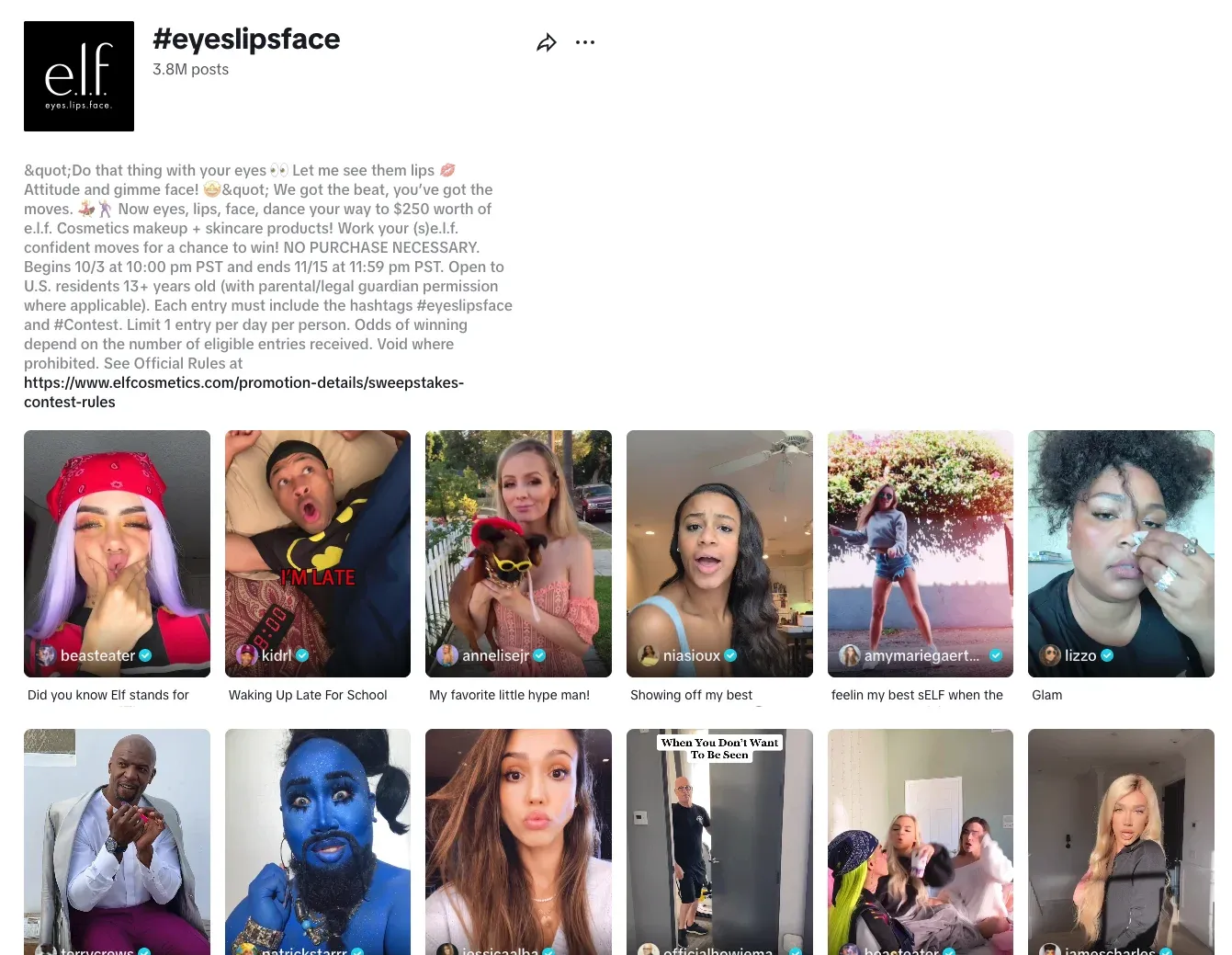
Why It Worked For e.l.f.
The campaign succeeded because participation was simple, creative, and highly shareable. Instead of relying solely on influencer reach, e.l.f. empowered the broader community to become content creators, generating massive volumes of user-generated content and turning the campaign into a viral social movement.
Gymshark × #Gymshark66 Challenge
| Brand Name | Gymshark |
|---|---|
| Industry | Fitness |
| Collab Type | Community Participation / UGC-Driven Campaign |
| Featured Creator | #Gymshark66 Participants |
| Platform | TikTok, Instagram |
| Target Audience | Fitness Communities |
Gymshark's Community-Building Challenge
Gymshark wanted to strengthen its position as a fitness community rather than simply an activewear brand. The company needed a campaign that would encourage ongoing engagement, foster accountability among participants, and reinforce the lifestyle values that define the Gymshark brand.
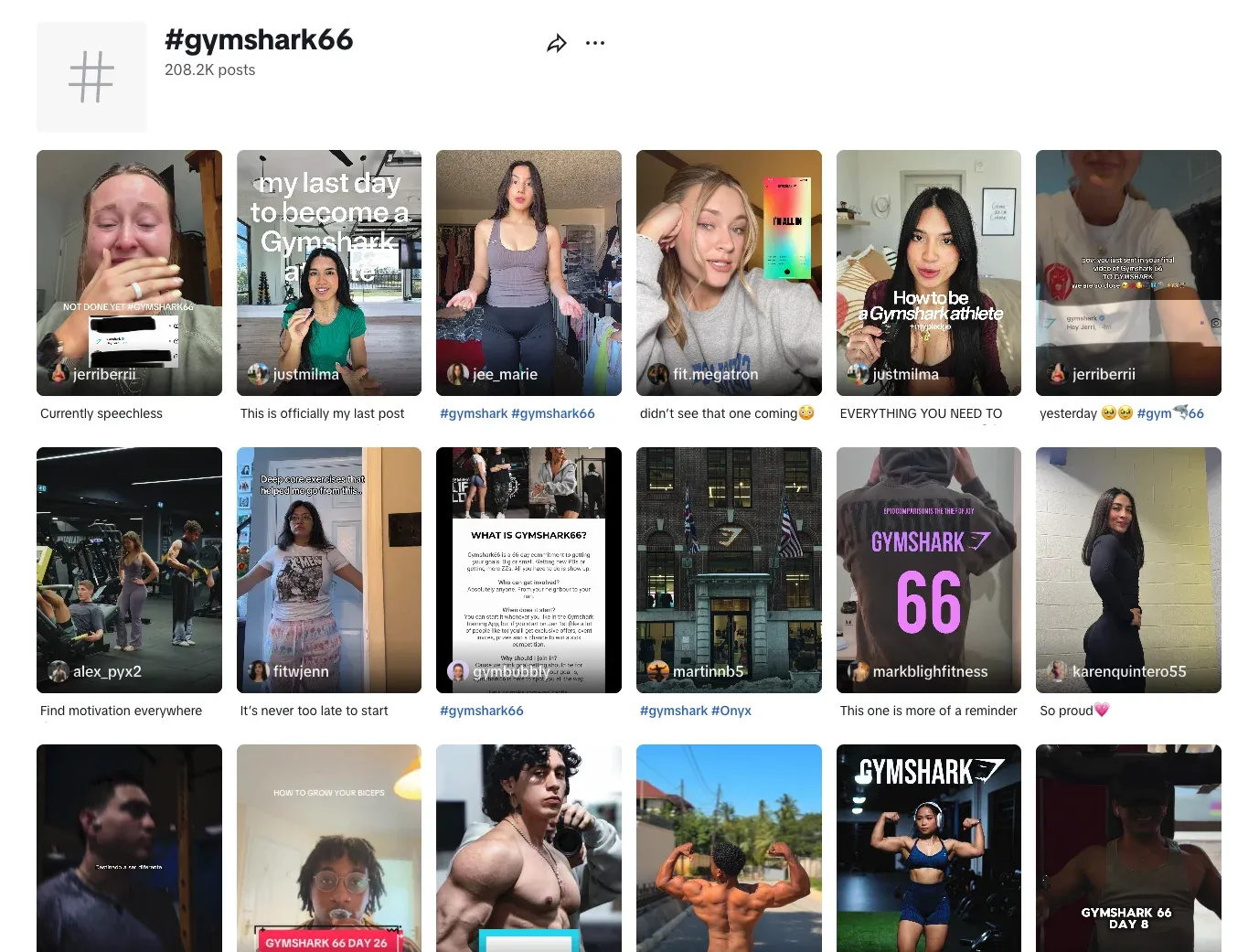
Gymshark's 66-Day Challenge Approach
As part of its annual community-building efforts, Gymshark launched the #Gymshark66 challenge, encouraging users to commit to a fitness goal and document their progress over sixty-six days. Influencers helped promote the initiative, while participants shared workouts, milestones, and personal transformation stories across social platforms.
Why It Worked For Gymshark
The campaign worked because it shifted audiences from observers to active contributors. By encouraging users to create and share their own content, Gymshark fostered a sense of belonging and accountability, strengthening community engagement while reinforcing its identity as a fitness-first brand.
Peanuts × #MySnoopyStory Initiative
| Brand Name | Peanuts |
|---|---|
| Industry | Entertainment |
| Collab Type | Community Participation / UGC-Driven Campaign |
| Featured Creator | #MySnoopyStory Participants |
| Platform | |
| Target Audience | Multi-Generational Fans |
Peanuts' Anniversary Engagement Challenge
As Peanuts approached its 75th anniversary, the brand wanted to celebrate decades of cultural impact while creating meaningful engagement with both longtime fans and newer audiences. The challenge was transforming nostalgia into an interactive experience rather than a one-way commemorative campaign.
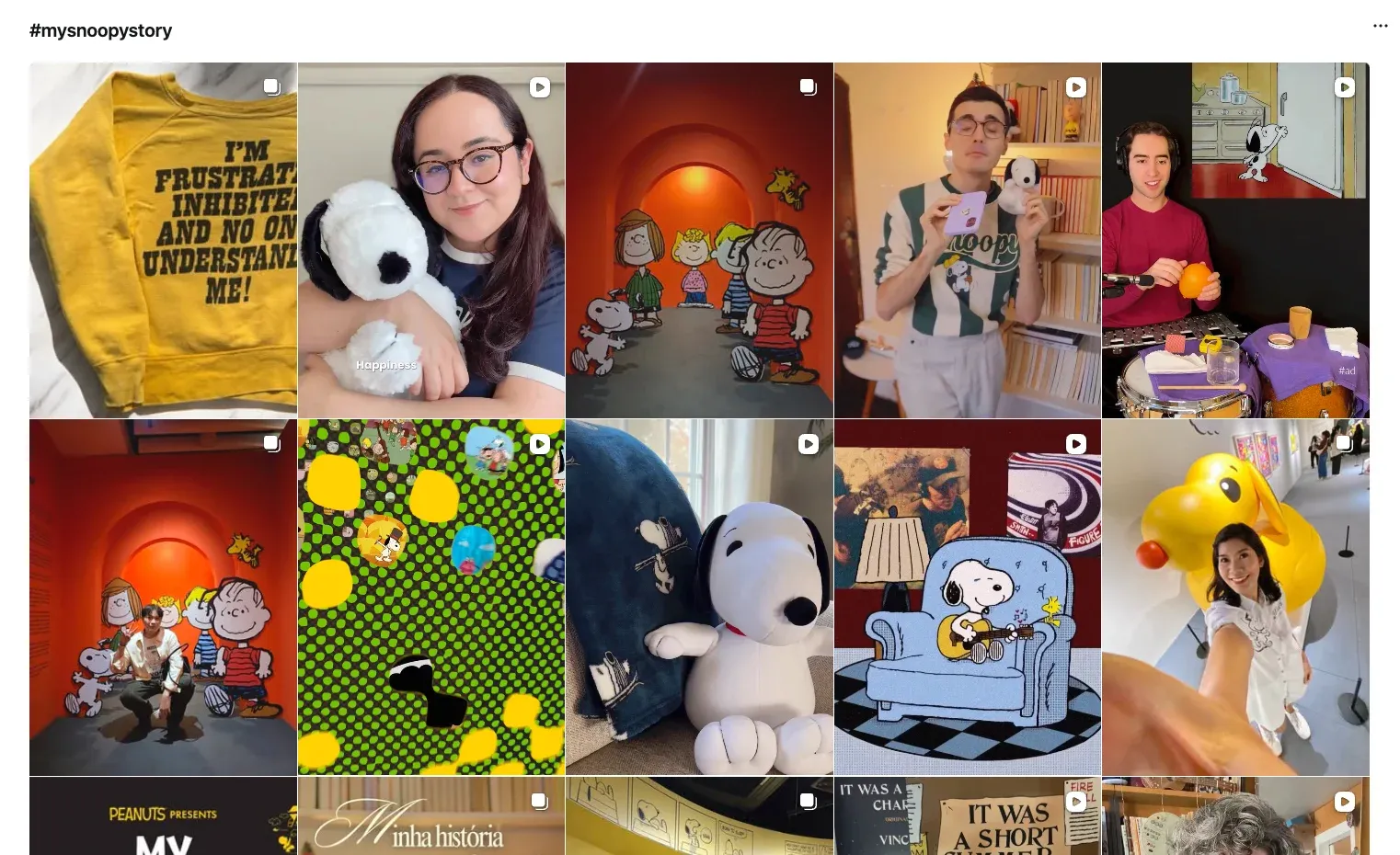
Peanuts' #MySnoopyStory Approach
From June through December 2025, Peanuts launched the #MySnoopyStory initiative and invited creators and community members to share personal memories connected to Snoopy and the broader Peanuts universe. Many participating creators encouraged followers to contribute their own stories, helping expand participation beyond the original campaign audience.
Why It Worked For Peanuts
The campaign succeeded because it centered on audience experiences rather than brand messaging alone. By giving fans a platform to share personal stories and memories, Peanuts transformed a milestone anniversary into a collective community moment driven by authentic user participation and emotional connection.
What Makes These Influencer Marketing Campaigns Successful?
While each campaign took a different creative approach, its success isn't random. The successful influencer marketing campaigns above all rest on four foundational pillars that set top performers apart. Here's what they share.
The Precision Matching Between Brand and Creator
Aligning brand values with creator audiences matters far more than chasing reach. Hawaiian Tropic didn't select Alix Earle solely for her follower count; they chose her because her content aesthetic—sunny, confident, aspirational yet attainable—perfectly mirrored the brand's desired emotional positioning.
Data-driven matching prevents wasted spend. When a creator's audience genuinely overlaps with your target demographic, messaging feels native rather than intrusive. Forced partnerships, by contrast, are immediately obvious to followers and erode trust in both the creator and the brand.
The Right Creator Mix: Nano, Micro, and Macro Dynamics
Examining these examples of successful influencer marketing campaigns reveals a deliberate creator mix strategy. The most effective campaigns don’t rely on a single tier but strategically combine Nano, Micro, and Macro creators, each playing a distinct role in the consumer journey.
| Creator Type | Typical Follower Count | Audience Profile | Primary Strength |
|---|---|---|---|
| Nano Creators | 1K ~ 10K | Small, highly engaged communities with strong personal trust and niche influence | Authenticity and conversions |
| Micro Creators | 10K ~ 100K | Interest-based audiences that view the creator as a knowledgeable peer or niche expert | Engagement and consideration |
| Macro Creators | 100K ~ 1M+ | Large, diverse audiences seeking inspiration, entertainment, and cultural relevance | Awareness and reach |
The winning formula is rarely one or the other — it's a strategic blend where each tier serves a distinct purpose: Nano creators ignite intimate community trust and bottom-funnel conversion, Micro creators drive niche engagement and consideration, and Macro creators deliver top-of-funnel awareness and cultural validation.
Matching the right creator tier to the right campaign stage — awareness, consideration, or conversion — is critical to maximizing overall performance.
Authentic Content That Builds Trust, Not Just Reach
Genuine, creator-led storytelling consistently outperforms overly polished brand content across every metric that matters. Vuori's unscripted Tom Holland footage elicited a stronger emotional response than any scripted ad could have.
Trust built through authenticity translates directly into higher engagement and conversion rates. When followers believe a creator genuinely uses and enjoys a product, they are significantly more likely to purchase. Polished production value signals "ad," and modern consumers have learned to ignore or distrust obvious advertising.
Measurable Outcomes—from Awareness to Revenue
The best campaigns track metrics that tie directly to business goals, not vanity numbers. Vuori monitored order data. Gymshark tracked ambassador-driven sales. Samsung measured consideration lift. None of these brands is optimized for likes.
Setting clear KPIs from awareness through final purchase is essential. Top-funnel metrics (reach, impressions) matter for understanding scale, but mid-funnel (engagement rate, saves, shares) and bottom-funnel (click-through rate, conversion rate, ROAS) determine actual business impact. The best influencer marketing campaigns are designed with measurement built in, not bolted on after launch.
Key Lessons from the Best Influencer Marketing Campaigns
Three repeatable methodologies emerge from these case studies. Each can be systematically applied using AI-powered platforms, removing guesswork from the equation.
Audience Affinity Matters More Than Follower Count
Deep audience overlap consistently outperforms sheer influencer popularity. A creator with 20,000 highly relevant followers will drive more conversions than a celebrity with 2 million disinterested ones.
AI-powered influencer discovery tools analyze audience data beyond surface-level demographics. They assess interest affinities, brand affinities, purchase intent signals, and engagement patterns to predict performance before a single post goes live.
Standardized Workflows Create Consistent, On-Brand Storytelling
Multi-creator campaigns require structured briefs, approvals, and communication to maintain brand consistency. Hawaiian Tropic's diverse creator army delivered cohesive messaging because the brand established clear creative guardrails while leaving room for individual expression.
Influencer management platforms centralize collaboration, reducing the chaos of endless email threads and missed deadlines. Standardized workflows ensure that every creator receives the same information, follows the same approval process, and has the same posting timeline.
Continuous Tracking and Optimization Maximize Long-Term ROI
Real-time monitoring and mid-campaign optimization separate top performers from average ones. Vuori shifted the budget toward what worked. McDonald's adjusted promoted content based on user response.
Performance tracking tools turn raw data into actionable, profit-driving insights. Brands that check results only after campaigns end miss opportunities to optimize spend, creative, and targeting while campaigns are still live.
From Lessons to Execution: How AI-Powered Platforms Turn Insights into Scalable Campaigns
Knowing what makes campaigns successful is valuable. Executing those patterns at scale is where most brands struggle. AI-powered platforms like Scrumball bridge this gap by transforming strategic lessons into repeatable workflows.
Study What Already Works Using Brand Intelligence
Before building your own campaign, study what's already working. For instance, Scrumball's Brand Intelligence feature allows brands to search for any competitor and analyze their influencer marketing campaign examples in detail.
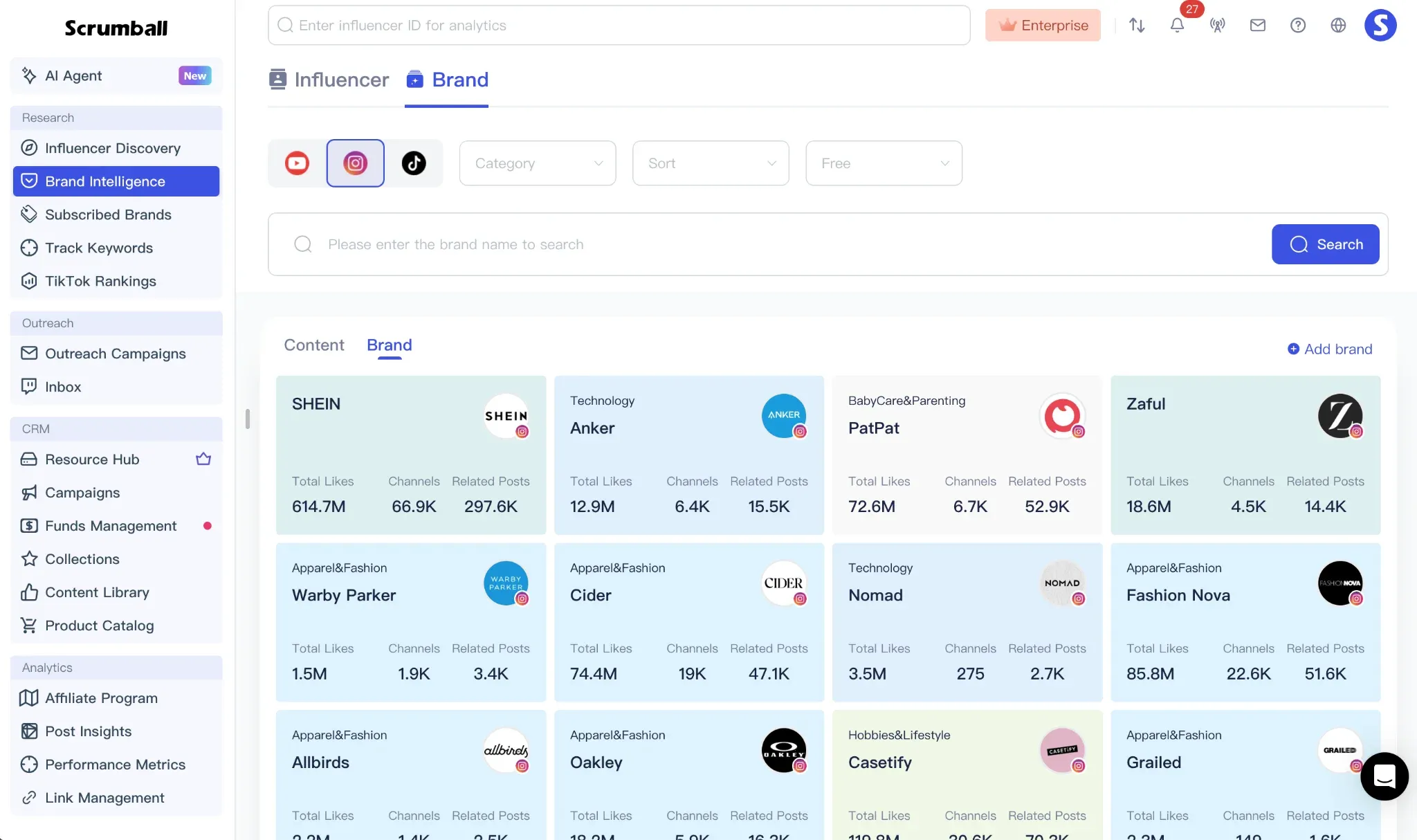
Specifically, you can view which creators a brand has partnered with, what content formats drove the highest engagement, posting cadence, caption themes, and performance benchmarks. This competitive intelligence provides a proven reference point, eliminating the guesswork from strategy development.
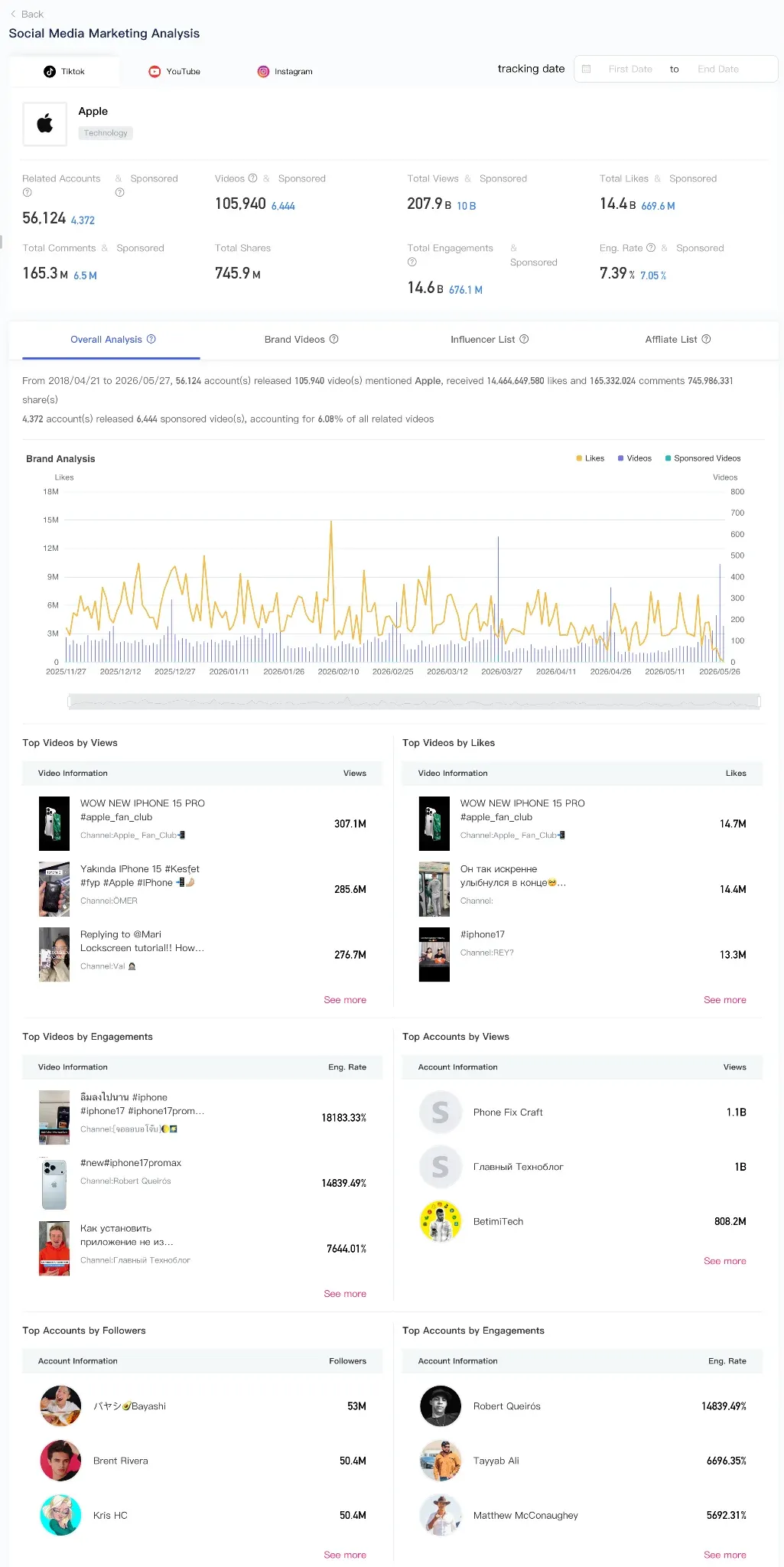
Here is what you get when using Scrumball’s brand analytics panel:
- Brand video analysis & performance distribution
- Views
- Engagement
- Audience
- Content list
- Overall influencer list
- Paid influencer list
Turn Competitive Insights into Your Own Scalable Campaigns
These competitive insights don’t just give you data—they let you build your own high-performing campaigns by translating the three core lessons into concrete steps:
Step 1: Match the Right Creators
Based on the types of high-performing creators discovered through Brand Intelligence, use the influencer discovery tool to precisely filter and match high-affinity influencers for your own brand. If some of the influencers in the competitor’s list also match your campaign specs, you can also batch transfer them into Scrumball’s CRM system for later outreach.
Don’t guess which creator might work. If your competitor succeeds with micro fitness creators who post daily workout clips, you set the same filters: follower range (10k–80k), niche (fitness), content format (short-form video), and engagement rate (above 5%). The tool surfaces match, not guess.
Step 2: Standardize the Workflow
Reference the collaboration models observed in successful campaigns and establish clear workflows for collaboration and content approval using the influencer management tool.
Look at posting cadence, caption structure, and how products are integrated. Build a standardized brief template, an approval chain (creator → brand manager → legal), and a content calendar. This keeps quality consistent even when you scale to dozens or hundreds of creators at once.
Step 3: Track, Benchmark, and Optimize
Set measurable goals and use the performance tracking tool to continuously compare results and optimize against benchmarks.
If a competitor’s campaign drove 3% conversion on Reels, that's your target. Track performance in Scrumball’s live content stats board, not after the campaign ends. When a creator underperforms, pause and reallocate the budget. When a format overperforms, double down. That's how insights become repeatable wins instead of one-off luck.
Conclusion
The best influencer marketing campaigns share clear, replicable success patterns, from brand image alignment and precise creator matching to authentic storytelling and data-driven optimization.
AI-powered platforms like Scrumball make these patterns accessible to brands of all sizes, turning proven insights into scalable, high-ROI campaigns that drive real business growth.
Frequently Asked Questions
How to create a successful influencer marketing campaign?
Follow a four-step execution checklist.
1. First, define clear goals tied to business outcomes—awareness, consideration, or conversion.
2. Second, find high-affinity creators using AI precision tools that analyze audience overlap rather than just follower counts.
3. Third, manage content and communication centrally using standardized workflows for briefs and approvals.
4. Fourth, track performance in real time and optimize mid-flight based on actual data.
Never hesitate to explore our complete guide on how to create successful and converting influencer marketing strategies to learn the specific steps of influencer marketing campaign planning and execution.
How to find the right influencer for your brand?
The right influencer isn't defined by follower count. Apply three practical checks: audience overlap with your target market, content tone fit with your brand voice, and genuine conversation in the comments section rather than bot-like engagement.
With a robust AI-powered influencer marketing platform like Scrumball, brands can study which creators competitors have successfully partnered with, then use the influencer discovery tool to surface high-affinity creators that match or exceed those benchmarks.
How to accurately track the conversions of our influencer campaign?
Conversion tracking generally follows three practical steps.
1. Set up unique trackable links and dedicated promo codes before the campaign goes live.
2. Use a performance-tracking panel to consolidate all clicks, promo code redemptions, and pixel data into a single view.
3. Monitor attributable revenue in a real-time ROI dashboard instead of counting likes or comments.
This approach connects influencer activity directly to sales.
How to analyze competitors’ influencer campaigns before building your own?
Brand intelligence tools like Scrumball allow you to search any competitor and instantly see which creators they've partnered with, what content formats and engagement rates they've achieved, and what posting cadence they've used.
This provides a proven reference point for your own strategy, creator selection, and performance benchmarking. Instead of starting from scratch, you build on patterns that are already working in your industry.
Do you need a big budget to run a successful influencer campaign?
No. As the listed campaigns show, strategic execution matters more than spend. Many top performers relied on community participation, micro-creator networks, or authentic storytelling rather than expensive celebrity deals. Precise creator matching, clear goals, and real-time optimization consistently outperform large budgets.
Are long-term ambassador partnerships better than one-off campaigns?
It depends on your product, campaign goal, and budget. One-off campaigns excel at fast, large-scale awareness, like Dove Men's World Cup creator army. Long-term ambassadorships, such as Gymshark and Chris Bumstead, build deeper trust, loyalty, and credible advocacy over time.
In general, repeated exposure makes endorsements feel genuine rather than transactional, so ambassadors work best when building sustained community and brand identity is what you are looking for.
How can brands encourage user-generated content?
Lower the barrier to participation and give audiences a reason to contribute. Successful UGC campaigns like #Gymshark66 and McDonald's UK's "Add Yours" activation used simple, shareable formats, branded hashtags or sounds, and prompts tied to personal experiences.
The key to “make random people post content naturally for you” is shifting audiences from passive viewers to active contributors, then amplifying their content to expand organic reach.