
Social media influencer marketing is still growing fast in 2026. Influencer Marketing Hub’s 2025 benchmark report projected the global influencer marketing industry at $32.55 billion, while impact.com reports that 77% of consumers trust personal recommendations and 63% make repeat purchases based on influencer suggestions.
In short, if you want better results for your influencer marketing campaigns in 2026, build your program around authentic creators, short-form video, measurable commerce, and long-term partnerships. The old playbook of one-off sponsored posts is not enough anymore. The 10 tips below show how to turn creator marketing into a repeatable, scalable growth channel for your brand.
1. Use AI to find, vet, and brief creators faster
AI should speed up your workflow, not replace human judgment. Current trend coverage from Attrock and workflow guidance from Pickup Studio both point in the same direction: brands now use AI for discovery, content testing, forecasting, and fraud screening.
In practice, I would use AI to score audience overlap, engagement quality, brand fit, and fake-follower risk. Then I would manually review the shortlist before approving any creator for outreach.
That last step matters. AI can narrow the field, but it cannot fully judge tone, creator credibility, or whether a partnership will actually feel believable. A strong workflow blends automation with real editorial review.
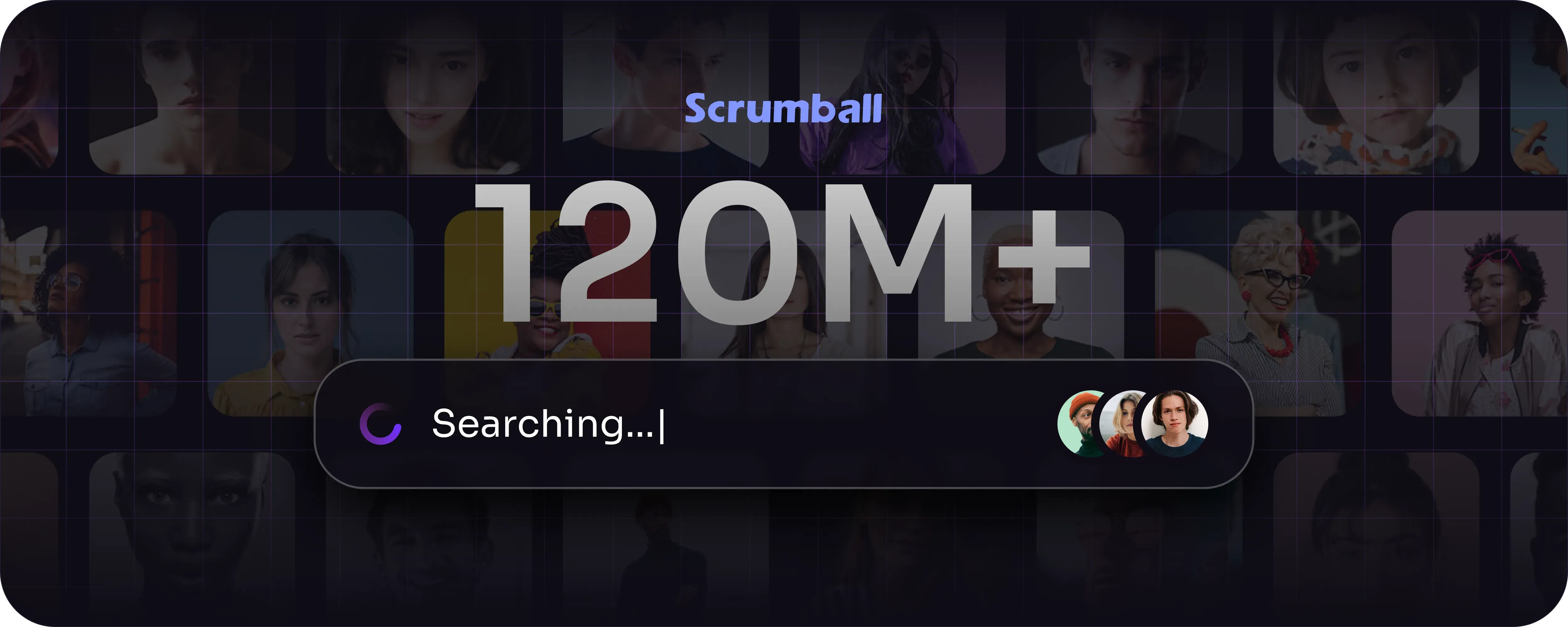
If your team wants fewer spreadsheets, start with a structured creator discovery platform that comes with over 120M+ influencer profiles and AI matching feature, so AI recommendations feed into one approval system instead of getting lost across tools.
2. Make authenticity your first filter
Reach still matters, but fit matters more. Sprout Social’s authenticity research reinforces what most experienced teams already know: audiences respond better when creators sound like themselves, not like branded copy with a face attached.
Clear disclosure is part of that trust. The FTC’s disclosure guidance for social media influencers is still the practical baseline for sponsored posts, product claims, discount codes, and creator reviews.
For 2026, write tighter briefs but allow more creator interpretation. Lock the legal claims, brand guardrails, and required CTA. Leave room for the creator’s own language, examples, and point of view.
In campaigns I review, over-scripted creator posts usually lose comments, saves, and click intent, even when the creator looked perfect on paper. Authenticity is not a nice-to-have. It is a performance infrastructure.
3. Prioritize micro and nano influencers
Smaller creators still outperform expectations because they tend to have tighter communities and stronger trust. Later’s micro-influencer guide remains a useful reminder that smaller audiences often produce better engagement and more credible recommendations than broad, low-context reach.
This is why a cluster of niche creators often beats one macro creator. If the budget is limited, I would usually test several category-fit micro creators before committing heavily to a single large account.
The same Later analysis of micro-influencer performance is helpful for another reason. It shows why smaller creators are especially strong for local campaigns, product education, and community-led launches where trust carries more weight than sheer scale.
Use your own past data to refine this mix. If a smaller creator consistently drives better click-through, lower customer acquisition cost, or higher average order value, scale that pattern instead of chasing vanity metrics.
4. Build your creator strategy around short-form video
Short-form video is no longer a supporting asset. It is the default creative language on social platforms. Recent HubSpot reporting on short-form video keeps pointing to the same outcome: fast, native, vertical video consistently delivers strong attention and ROI.
For platform-level inspiration, use TikTok Creative Center to spot trends and the official YouTube Shorts format to shape reusable vertical video ideas across channels.
The creative rules are simple. Hook fast. Show the product in use. Add captions. Keep the message native to the platform. End with one clear action. Then reuse your best organic clips inside paid social when the metrics justify it.
This is also where influencer whitelisting becomes useful. If a creator video already performs organically, paid amplification can extend its reach without forcing the content into a colder brand-ad style.
5. Use live shopping when the product benefits from a demonstration
Live shopping is not right for every category, but it works well when people need to see the product, ask questions, or compare options. McKinsey’s live commerce analysis and Influencity’s live shopping guidance both support the same idea: creator-led live sessions can shorten the path from interest to purchase.
This works especially well in beauty, fashion, wellness, home, and gadgets. In B2B, the equivalent is often a creator-hosted demo, live Q&A, or product walkthrough rather than a literal checkout stream.
If you want a practical creator-commerce example, TikTok’s Milk Makeup case study is still a useful reference for how creator-led video and shopping-native features can work together.
Measure live shopping with more than revenue. Watch comment rate, click-through, add-to-cart, average order value, and assisted conversions. Those signals tell you whether the format is building momentum or just generating a short spike.
6. Diversify your creator mix and your representation
Do not build your program around one creator type. Mix subject matter experts, customer creators, niche educators, employee advocates, and broader lifestyle voices. That gives your brand better coverage across awareness, consideration, and conversion.
It also makes your campaigns more credible. Both Medill’s perspective on culture and inclusion in marketing and Deloitte’s marketing trends research reinforce the same point: inclusive marketing works best when representation is real, specific, and tied to the audience experience.
That means more than casting. It means captions, accessibility, region-aware briefs, culturally relevant language, and creators who genuinely understand the communities you want to reach.
In short, diversify for relevance, not optics. Audiences can tell the difference very quickly.
7. Add affiliate mechanics to influencer campaigns
If you want cleaner attribution, give creators a direct path to drive sales. impact.com’s creator-affiliate strategy guide shows why this model keeps growing: creators build trust, and affiliate mechanics capture the resulting demand.
Start with unique links, personalized codes, and tiered commission rules. Later’s affiliate links guide is a helpful refresher on making those links easier to place across bios, stories, posts, and creator landing pages.
Once a creator proves they can convert, move them into a hybrid structure with a flat fee plus commission. Integrating influencer and affiliate programs is especially relevant here because it pushes teams to look beyond last-click sales and judge the whole buyer journey.
This is one of the clearest ways to make influencer marketing more accountable in 2026. It also makes budget allocation easier when finance teams want direct performance evidence.
8. Run giveaways and contests only when they attract the right audience
Giveaways can lift reach fast, but they can also attract low-intent followers. The solution is simple: make the prize match the product, and make the entry action match the goal.
SocialPilot’s examples of influencer giveaways are useful because they show that the best campaigns reward real category interest, not random traffic.
Keep rules simple, timing clear, and sponsorship language obvious. The FTC’s disclosure guidance still matters here, especially when entry mechanics, product claims, or creator compensation could confuse viewers.
My rule of thumb is blunt but useful. If the prize would mainly attract people who will never buy from you, skip it.
9. Measure creator marketing across the full funnel
The strongest 2026 programs do not judge creators on sales alone. They map creator content to awareness, consideration, conversion, and retention, then score each stage differently.
Kolsquare’s explanation of the influencer marketing funnel is a helpful planning model, and impact.com’s guidance on merging influencer and affiliate marketing shows how to connect visibility metrics to revenue outcomes.
| Funnel stage | Creator content that fits | What to measure |
|---|---|---|
| Awareness | Hooks, trend videos, first impressions | Reach, watch time, saves, follower lift |
| Consideration | Reviews, comparisons, tutorials, demos | Clicks, landing page views, add-to-cart rate |
| Conversion | Offer-led videos, codes, live shopping, retargeting creative | Conversion rate, CAC, ROAS, revenue |
| Loyalty | How-to content, community content, referral pushes | Repeat rate, referral sales, customer lifetime value |
Use UTMs, promo codes, post-purchase surveys, and incrementality checks together. Then compare creator-assisted revenue with directly attributed revenue. That is usually where hidden value shows up.
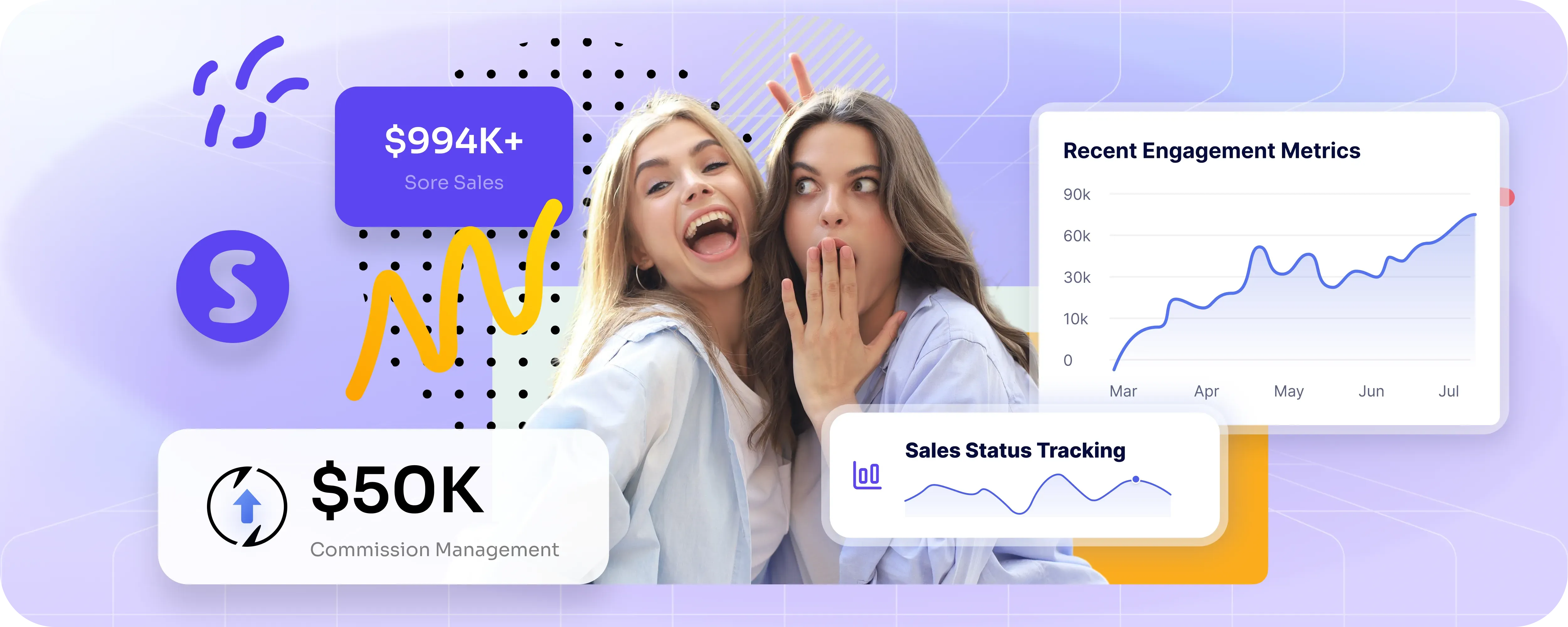
If your reporting is fragmented, it’s a necessary step to implement a centralized attribution and reporting system before you scale spend. Scrumball can help here with an all-in-one performance tracking solution that brings together content performance tracking, sales performance tracking, creator-level results, and broader campaign data in one place.
A dedicated marketing automation stack is also worth considering. Better dashboards usually provide clearer insights and lead to better decisions.
10. Turn one-off creators into long-term partners
One of the clearest 2026 advantages is continuity. Brands that keep renewing the right creators usually get stronger creative, better trust, and more efficient paid reuse over time.
Traackr’s guidance on building long-term influencer relationships and Agility PR’s overview of authentic influencer relationships point to the same benefit: long-term partnerships compound because the creator knows the product better, the audience sees consistency, and the content becomes easier to scale.
Structure these deals with review points every quarter. Define deliverables, usage rights, whitelisting permissions, affiliate terms, exclusivity, and renewal triggers from day one.
If you want a useful internal framework, review Scrumball’s guide to short-term versus long-term influencer marketing. Once you know who truly performs, ongoing creator partnerships usually beat constant re-sourcing.
Conclusion
In short, the best influencer marketing tips for 2026 are not about chasing the biggest creator. They are about building a reliable system: AI-assisted discovery, authentic creative, smaller niche voices, short-form video, creator commerce, and disciplined measurement.
If you are updating your 2026 plan now, start with three moves: tighten creator fit, produce more native video, move your strongest partners into affiliate or ambassador structures, and upgrade your marketing workflow with AI-powered, fully automatic solutions like Scrumball.
FAQ
What is the most effective influencer marketing strategy in 2026?
The most effective strategy is a full-funnel creator program. Use smaller, high-fit creators for trust, short-form video for reach, affiliate links or codes for conversion, and long-term partnerships for consistency. Brands that treat influencer marketing as a repeatable growth system, not a one-time awareness stunt, tend to see stronger efficiency and more stable results.
How do I find the right influencers for my brand?
Start with audience fit, not follower count. Review engagement quality, comment relevance, prior brand partnerships, content style, and brand safety. AI can speed up discovery and screening, but the final choice should still be manual. I would always review recent posts, audience tone, and product fit before approving a creator for outreach or paid amplification.
Are micro-influencers better than macro influencers?
Often, yes, but it depends on your goal. Micro and nano creators usually win on trust, community fit, and engagement quality. Macro creators can still help with broad awareness and reach. If you need efficient testing or niche audience reach, smaller creators are usually the better starting point. If you need to scale quickly, a mixed roster often works best.
What KPIs should I track in an influencer campaign?
Track KPIs by funnel stage. For awareness, watch reach, watch time, saves, and follower lift. For consideration, measure clicks, landing page views, and add-to-cart rate. For conversion, track sales, CAC, ROAS, and average order value. For loyalty, monitor repeat purchases, referrals, and customer lifetime value. One KPI is never enough on its own.
Should influencer campaigns include affiliate links or discount codes?
In most cases, yes. Affiliate links and creator-specific discount codes make attribution clearer and help you compare partners fairly. They are especially useful once a creator has already proven they can drive interest. The strongest setup is usually hybrid: pay for quality content up front, then add commission when the creator starts converting consistently.
What content format works best for influencer marketing in 2026?
Short-form vertical video is still the most versatile format for 2026. It fits discovery, product education, paid amplification, and social commerce better than static posts in most categories. For products that need explanation, combine short video with live shopping, demos, or tutorials. The best content feels native to the platform and useful to the audience.