
Brand deals for influencers have become a cornerstone of modern marketing strategies. As brands increasingly focus on engaging their target audiences, these partnerships serve as an effective way to reach highly targeted niche markets.
In this article, we examine the various types of brand deals for influencers, common payment models, and the strategies brands use to maximize their ROI.
Common Types of Influencer Brand Deals
One-off Sponsored Posts
One of the most common types of influencer brand deals is a one-off sponsored post. In this model, an influencer promotes a specific product or service within a single piece of sponsored content.
For example, an influencer may publish a blog post reviewing skincare products they have tested, highlighting their key benefits and results. This type of influencer partnership is ideal for brands looking to generate buzz around a product launch, seasonal campaign, or special event.
Long-term Brand Ambassadors
Long-term brand ambassador partnerships involve ongoing collaborations between a brand and an influencer. These influencer brand deals typically include recurring content over several months, helping brands build consistent visibility and stronger audience trust.
For instance, an influencer may feature a clothing brand across multiple seasons, reinforcing brand recognition and credibility through repeated exposure. This model is particularly effective for increasing brand loyalty and long-term engagement.
Affiliate Marketing
Affiliate marketing is a performance-based influencer brand deal in which influencers earn commissions for every sale generated through their unique affiliate links or discount codes.
For example, an influencer might promote a fitness supplement using a personalized promo code, earning a percentage of each purchase. This performance-driven model encourages influencers to actively promote products that align with their audience’s interests, driving higher conversions and measurable ROI.
Whitelisting / Paid Ads
Whitelisting is a paid partnership model where brands obtain permission to run influencer content as paid social media ads. By amplifying influencer-generated content through paid advertising, brands can significantly expand their reach and target highly specific audience segments.
This strategy combines the authenticity of influencer marketing with the precision targeting of digital advertising, making it ideal for scaling campaigns and optimizing ad performance.
Co-branded Products or Campaigns
Co-branded products or campaigns involve collaborative projects between brands and influencers to create exclusive products, collections, or events.
For example, an influencer may partner with a well-known makeup brand to launch a limited-edition product line. These collaborations generate excitement, enhance brand credibility, and create a sense of exclusivity that drives demand and engagement.
Payment Models for Influencer Brand Deals
Flat Fee
The flat fee model is one of the most straightforward influencer payment structures. In this arrangement, brands pay influencers a fixed amount for creating and publishing sponsored content.
This model is commonly used for one-off sponsored posts or short-term campaigns that do not require ongoing collaboration. It provides predictable income for influencers while allowing brands to control their marketing budget and forecast campaign costs more accurately.
CPM (Cost Per Mille)
Cost Per Mille (CPM) refers to the amount a brand pays per 1,000 impressions. This pricing model is typically used in influencer marketing campaigns focused on brand awareness and audience reach. CPM campaigns are ideal for maximizing exposure and increasing visibility among targeted audience segments.
CPS / Revenue Share
Cost Per Sale (CPS), also known as revenue share, is a performance-based influencer marketing model in which influencers earn commissions for every sale generated through their unique affiliate links or promo codes.
This structure is particularly effective for affiliate marketing campaigns because brands only pay for actual conversions. As a result, CPS agreements are highly cost-efficient and ROI-driven, aligning incentives for both brands and influencers.
Hybrid Models
Hybrid models combine a fixed fee with performance bonuses. For example, a brand might pay an influencer a set fee for content creation and offer additional bonuses based on sales or conversion rates. This approach helps to reduce risks for both parties and rewards the influencer for their efforts in achieving results.
Product Exchange / Gifting
Product exchange, or gifting, involves providing influencers with free products in exchange for promotional content. While this model can be effective for building brand awareness, it may hold limited appeal for influencers who expect monetary compensation.
However, micro-influencers or creators who are just starting often find gifting partnerships valuable for building their portfolio, gaining experience, and establishing brand relationships.
Systematically Launch and Manage Influencer Deals
Finding the Right Influencers

The success of influencer brand deals largely depends on selecting influencers whose audience demographics align with a brand’s target market. Using an advanced influencer discovery tool can streamline this process, allowing brands to identify high-performing creators who match their campaign objectives and engage the right audience segments.
Managing Partnerships Effectively
Once the right influencers are identified, effective partnership management becomes essential for ensuring smooth campaign execution. Influencers must deliver content on schedule, while brands should monitor content approvals, timelines, and performance benchmarks.
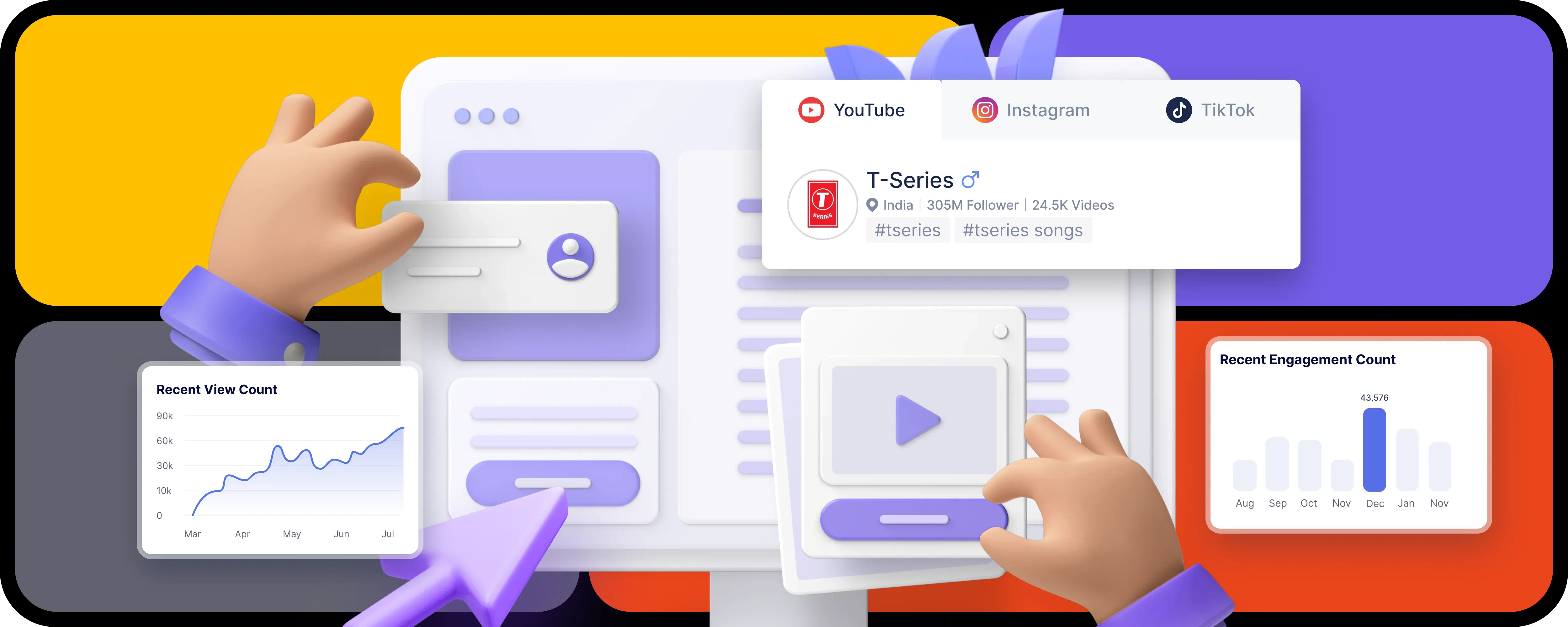
A centralized influencer management platform helps brands oversee contracts, track deliverables, and coordinate campaign schedules more efficiently.
Tracking Performance and ROI
Monitoring engagement metrics and tracking conversion rates are critical for evaluating the effectiveness of influencer marketing campaigns. By measuring ROI and analyzing campaign data, brands can optimize future collaborations and make data-driven decisions regarding influencer partnerships.
Strategies to Maximize Brand Deal ROI
Data-driven Influencer Selection
By using data indicators like followers, engagement rates, and audience demographics, brands can ensure that the selected influencers resonate with the target market. With these indicators, brands can make more informed decisions and enhance the effectiveness of their campaigns.
Choosing Between Long-term vs One-off Collaborations
Long-term influencer partnerships provide consistent brand exposure, deeper audience trust, and sustained engagement. In contrast, one-off collaborations are ideal for short-term campaigns, product launches, or seasonal promotions.
Brands should evaluate campaign objectives, budget allocation, and target audience behavior when choosing between these two influencer marketing strategies.
Optimizing Whitelisted Ads and Sponsored Content
Amplifying influencer content through paid ads or whitelisting can significantly improve its reach and effectiveness. By precisely targeting specific audiences and adjusting ad placements, brands can optimize their influencer campaigns for maximum ROI.
Continuous Tracking and Performance Review
Feedback loops are essential for improving future marketing campaigns. By tracking key performance indicators (KPIs), such as engagement rates, conversions, and sales, brands can refine their influencer strategy and achieve better results in the future.
Conclusion
Influencer brand deals are transforming the way brands approach marketing, shifting from traditional ads to ongoing, authentic collaborations with creators. Brand deals and influencer marketing allow brands to engage with highly targeted audiences, ensuring maximum impact.
By leveraging data-driven platforms like Scrumball, brands can discover the right influencers for their influencer marketing brand deals, optimize campaign performance, and leverage platform features to maximize ROI effectively.
Frequently Asked Questions
What are influencer brand deals?
Influencer brand deals are collaborations where creators on social media platforms promote products or services in exchange for compensation. These partnerships allow brands to tap into the influencer’s trusted audience, boosting awareness, engagement, and measurable outcomes.
What are the benefits of influencer brand deals?
Influencer brand deals have 2 major benefits: reaching highly engaged audiences and boosting brand visibility. On the other hand, influencers gain revenue, portfolio growth, and stronger relationships with brands, creating mutually valuable, long-term partnerships.
How to get brand deals as an influencer?
To secure influencer brand deals, creators should consistently produce high-quality, engaging content and build a loyal, niche audience. It's also a good idea to actively establish relationships with brands and collaborate with influencer marketing agencies, which can increase opportunities for sponsorships and long-term partnerships.
Do influencers pay taxes on brand deals?
Income from influencer brand deals may be subject to taxation depending on local laws. Influencers should keep accurate financial records and consult qualified tax or financial professionals to ensure compliance and properly manage their earnings.
What metrics should brands look at before offering a brand deal?
Key influencer assessment metrics, including engagement rates, audience demographics, follower count, content quality, and past campaign performance, are typically evaluated by brands to ensure that individual influencer match their target audience, brand image, and consistently deliver measurable results.