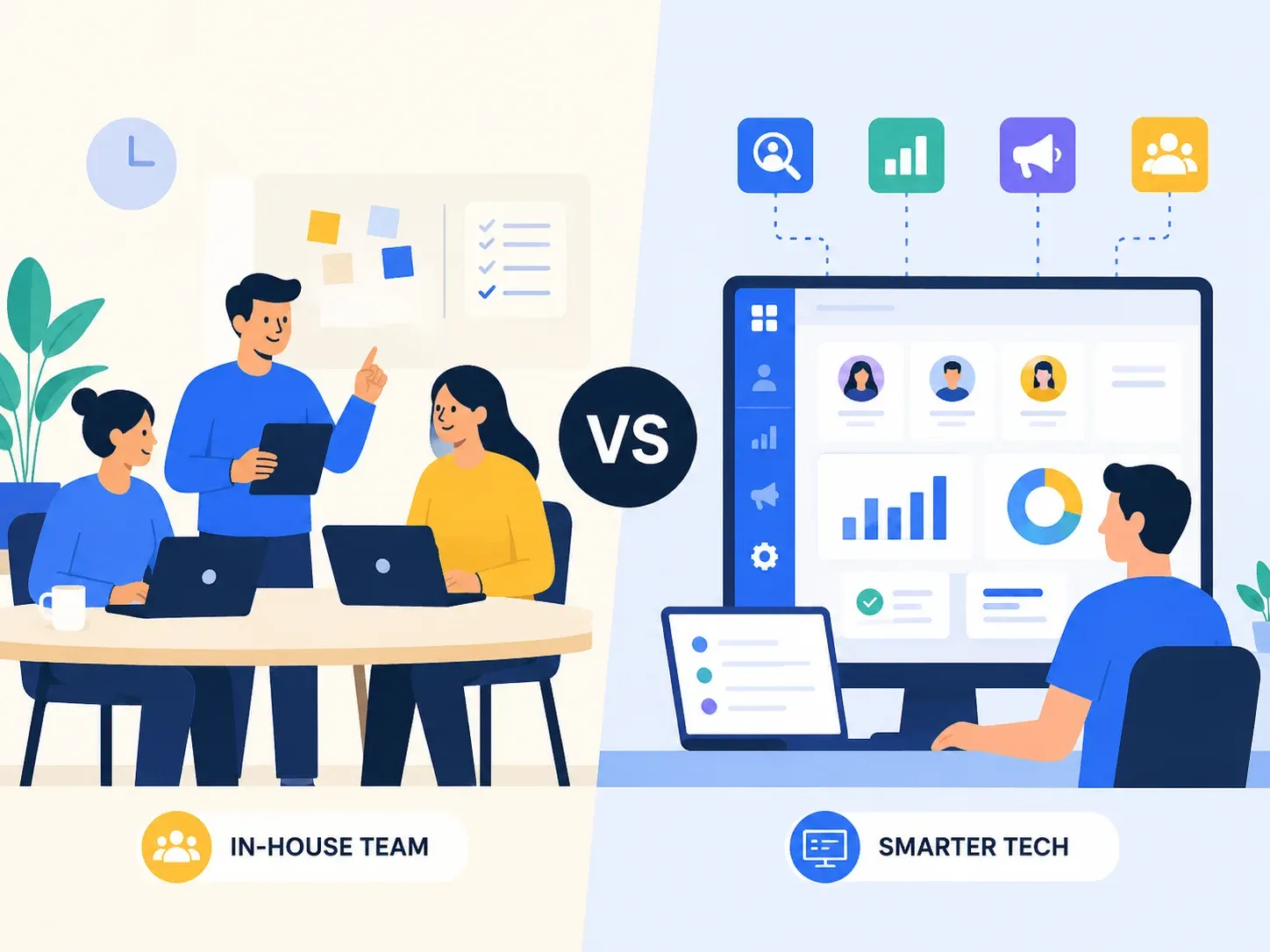

Brands today face a difficult question: should influencer marketing stay in-house, or is an influencer marketing agency worth the investment? The answer depends on more than just campaign size. This article explores the full decision framework across services, benefits, costs, and potential risks to help your brands make smarter long-term choices.
What Does An Influencer Marketing Agency Actually Do?
An influencer marketing agency helps brands plan, execute, and optimize creator campaigns across platforms. But agencies vary widely in expertise, transparency, and operational depth. Understanding what they actually manage is the first step toward deciding whether external support fits your business goals.
Core Services Offered by An Influencer Marketing Agency
A typical influencer marketing agency manages both campaign strategy and day-to-day execution, including:
- Influencer discovery, audience analysis, and creator vetting
- Campaign planning, budget allocation, and platform selection
- Contract negotiation, content approvals, and publishing coordination
- Performance tracking across engagement, reach, CTR, and conversions
More advanced agencies also support affiliate tracking, paid amplification, compliance monitoring, and ambassador program management. The strongest agencies combine creative direction with operational systems that improve scalability, reporting accuracy, and campaign efficiency.
Agency vs In-House Influencer Marketing
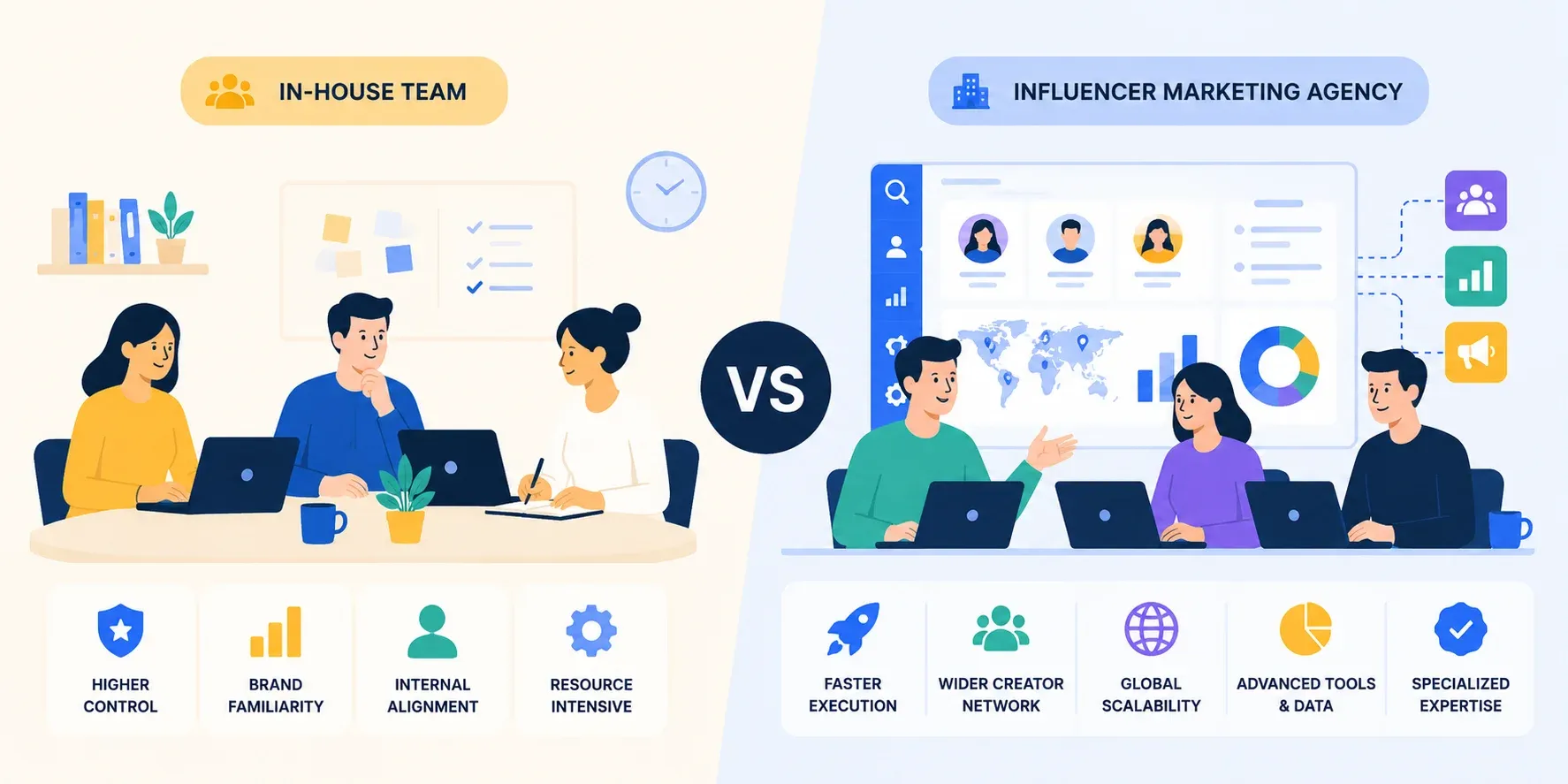
In-house teams usually offer stronger brand familiarity and greater day-to-day control. However, scaling campaigns internally often requires significant hiring, creator databases, negotiation experience, and analytics infrastructure.
An agency influencer marketing model typically enables faster execution and broader access to creators. Agencies can also manage multi-market campaigns more efficiently. The tradeoff is cost and sometimes reduced visibility into workflows or creator relationships.
The cost structures differ as well. Internal teams require salaries, software, and operational overhead. Agencies typically charge retainers, project fees, or commissions tied to influencer spending.
To make the differences clearer, here is a detailed comparison between agency and in-house influencer marketing models:
| Factor | In-House Team | Influencer Marketing Agency |
|---|---|---|
| Brand Control | Higher direct control | Shared operational control |
| Campaign Speed | Slower to scale (it depends) | Faster execution |
| Influencer Access | Limited by the internal network | Broad creator databases and relationships |
| Expertise | Depends on internal hiring | Specialized cross-industry experience |
| Scalability | Resource-intensive | Easier multi-market expansion |
| Technology & Data | Requires internal tools & platforms | Often includes established systems |
| Cost Structure | Salaries and software overhead | Retainers, commissions, or project fees |
| Best Fit | Brands with mature internal teams | Brands needing speed, scale, or expertise |
When Is An Influencer Marketing Agency Most Useful?
An influencer Marketing agency becomes especially valuable when brands lack internal bandwidth, creator relationships, or specialized expertise. Consider an influencer marketing agency when:
- Speed and scalability are non-negotiable – Agencies can accelerate campaign launches and manage multi-market complexity immediately, avoiding the slow build of internal resources.
- Your creator network is too narrow – Access to broad, vetted databases and established talent relationships shortens sourcing timelines and improves matching accuracy.
- You're entering unfamiliar regions or platforms – Established agencies offer local knowledge and existing influencer connections, significantly cutting the learning curve and execution risk.
- In-house technology and data capabilities are insufficient – Agencies bring proprietary tools for fraud detection, attribution, and performance analytics that would be costly to build internally.
- Internal teams need to stay focused on core strategy – Delegating operational workload, from negotiation to reporting, frees up brand-side talent for positioning, product strategy, and creative direction.
Still, risks exist. Smaller brands may find that service fees consume too much of the campaign budget. Some agencies limit transparency around creator pricing or performance data. Others create long-term dependency by keeping influencer relationships and reporting systems under their own control.
Compliance issues can also arise if influencer vetting lacks proper disclosure checks, fraud screening, or brand safety reviews.
The Benefits, Costs, and Risks of Hiring an Influencer Marketing Agency
Hiring an agency can improve speed, scale, and campaign performance. But these benefits only matter if they outweigh the financial costs and operational risks involved. Brands need to evaluate both sides carefully before committing long-term.
Benefits: Access to Established Influencer Networks
A primary benefit of partnering with the best influencer marketing agency is immediate access to established creator networks. Agencies often maintain large influencer databases alongside direct relationships with talent managers and creators.
This shortens sourcing timelines and increases matching accuracy. Instead of manually reviewing hundreds of creators, brands receive curated recommendations aligned with audience demographics, engagement quality, and campaign goals.
Strong agency relationships can also improve negotiation efficiency and secure better content deliverables or posting timelines — a practical benefit that directly impacts campaign output.
Benefits: Data-Driven Campaign Optimization
Another critical benefit lies in data-driven optimization. Modern influencer campaigns rely heavily on performance data.
Influencer marketing agencies typically track metrics such as engagement rate, impressions, reach, CTR, conversions, CPM, and audience demographics. These insights help brands refine creator selection and improve content strategy over time. Using a performance tracking tool also supports smarter budget allocation across platforms, creators, and campaign formats.
More advanced agencies use predictive analytics to estimate ROI potential before campaigns launch, reducing guesswork and helping brands scale more confidently — a strategic benefit for long-term growth.
Benefits: Time and Resource Efficiency for Brands
The efficiency benefit is often the most immediate one brands experience. Managing influencer campaigns internally can become extremely time-consuming. Outreach, negotiation, content approvals, revisions, payment coordination, and reporting all require consistent operational oversight.
Influencer marketing agencies can reduce this workload by centralizing campaign management, which allows internal marketing teams to focus more on positioning, product strategy, and creative direction.
This resource-saving benefit becomes even more important when campaigns expand across multiple channels or regions.
Costs: High Retainers, Agent Markups, and Minimum Spends
Agency pricing goes beyond a single flat fee. To evaluate the true financial impact, you must distinguish between what you pay the agency and what goes directly to the creators.
| Pricing Model | Average Cost Range | What It Covers | Potential Drawbacks |
|---|---|---|---|
| Monthly Retainer | $3,000 – $15,000+/month | Ongoing management, strategy, and continuous sourcing. | High upfront commitment regardless of campaign volume. |
| Project-Based Fee | $5,000 – $25,000+/campaign | End-to-end execution of a single, defined campaign. | Hard to scale continuously; requires new contracts for each push. |
| Percentage of Spend | 10% – 20% of media spend | Campaign execution scaled to your overall creator budget. | Can incentivize the agency to recommend more expensive talent. |
Beyond these models, you must account for creator compensation, product seeding costs, usage rights, and paid amplification. Many brands face unexpected bills when they realize content licensing is not included in the base agency fee.
Ask agencies about hidden markups or creator rebates. Some agencies receive incentives from talent networks to push specific influencers, which can compromise the objectivity of their recommendations.
Risks: Key Risks to Watch Out For
While influencer marketing agencies can improve efficiency and scale, brands should also be aware of several structural risks that may affect performance, transparency, and long-term flexibility.
- Influencer fraud risk: Fake engagement, inflated follower counts, or low-quality audiences can distort campaign outcomes if proper verification systems are not in place.
- Brand safety risk: Creator controversies, copyright issues, or missing sponsorship disclosures may damage brand reputation without strong compliance monitoring.
- Attribution challenges: High visibility does not always translate into conversions, making it difficult to measure the campaign's true effectiveness.
- Operational lock-in: Some agencies maintain exclusive control over creator relationships, campaign data, and reporting systems, reducing flexibility and long-term ownership for brands.
How to Choose the Best Influencer Marketing Agency for Your Brand?
Once brands understand the real costs and risks involved, agency selection becomes less about popularity and more about operational fit, transparency, and strategic alignment. The right evaluation process reduces costly mistakes and improves long-term campaign performance.
Define Your Campaign Goals, KPIs, and Budget First
Before contacting agencies, brands should define clear business objectives. Awareness, conversions, community growth, and affiliate sales each require different creator strategies and reporting structures. Budget clarity is equally important. Establish total spending limits, acceptable service fee ranges, and expected media allocation before negotiations begin.
This improves decision-making leverage and prevents agencies from shaping the campaign entirely around their preferred pricing model.
Evaluate Agency Technology and Execution Capabilities
Technology plays a major role in modern agency influencer marketing operations. Brands should evaluate how agencies source creators, track campaign performance, and manage reporting transparency.
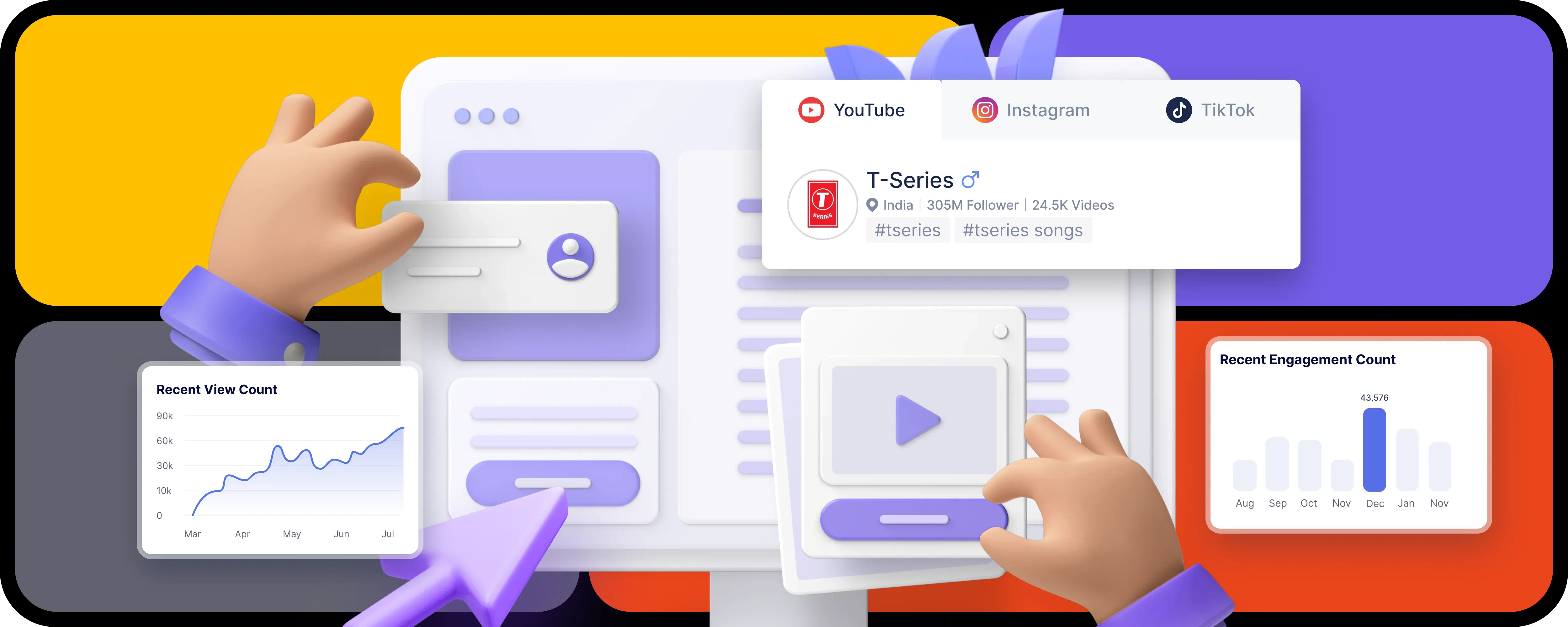
Look for systems that cover creator sourcing, influencer management, fraud detection, workflow coordination, and attribution tracking. Strong operational infrastructure often matters more than agency size alone, especially when scaling campaigns across multiple markets, including key regions, platforms, and language segments.
Agencies using platforms like Scrumball can improve sourcing efficiency and campaign visibility through centralized creator data and performance analytics. These platforms also help scale campaigns more consistently across markets.

Discover, manage, and track vetted creators directly on our platform while avoiding high agency fees.
Discover, manage, and track vetted creators directly on our platform while avoiding high agency fees.
Review Case Studies and Proven Results
Case studies reveal far more than polished sales presentations. Review whether the agency has managed campaigns similar to your budget size, category, or growth stage, and focus on measurable business outcomes rather than engagement screenshots alone. Reliable agencies should clearly explain campaign goals, execution methods, optimization decisions, and final performance results.
It is also worth asking how the agency handled compliance, fraud prevention, or underperforming creators during past campaigns.
Ask the Right Questions Before Signing
Before finalizing any contract, brands should evaluate how transparent and structured the agency is across operations, reporting, and data ownership. These questions help reduce hidden risks and ensure long-term control.
- Screening & fraud detection: How are influencers vetted, and what systems are used to detect fake engagement or low-quality audiences?
- Reporting & attribution: What attribution model is used, and how are key metrics like conversions, CTR, and engagement defined and tracked?
- Budget & fee transparency: Do service fees include influencer payments? Are rebates or hidden commissions involved, and how is budget allocation reported?
- Data ownership & access: Will the brand retain full access to influencer contacts, performance data, and campaign reports after the contract ends?
Conclusion
An influencer marketing agency can provide major advantages in speed, scale, creator access, and campaign optimization. For brands lacking internal resources or influencer expertise, the right agency partnership can significantly accelerate growth.
Still, agencies are not automatically the best solution for every company. Costs, transparency concerns, attribution challenges, and operational dependency all require careful evaluation.
The strongest decision framework combines clearly defined goals, realistic budget planning, a transparent understanding of agency costs, and thorough risk assessment. Brands that maintain strategic control while leveraging agency expertise are usually positioned for the most sustainable long-term results.
FAQs About Influencer Marketing Agencies
How do you start an agency-led influencer marketing program?
Start by defining clear goals, KPIs, audience profiles, and budget limits. A structured influencer marketing agency will then align on scope, select creators, and establish approval workflows for content and reporting before launch, ensuring smooth execution and measurable outcomes from the outset.
How much do influencer marketing agencies charge?
Costs vary depending on scale, platforms, and services. Most influencer marketing agency models include retainers, project fees, or performance-based commissions. Additional expenses may include creator payments, licensing, and amplification. The best influencer marketing agency will also provide transparent breakdowns to support accurate budget planning.
How do influencer marketing agencies ensure brand safety?
A professional agency influencer marketing setup typically includes influencer vetting, audience authenticity checks, and compliance reviews for disclosure and content standards. Agencies also use approval workflows and monitoring systems during campaigns to reduce reputational, legal, and performance risks for brands.
How do influencer marketing agencies help companies with influencer marketing?
An influencer marketing agency supports end-to-end execution, including strategy development, influencer sourcing, negotiation, campaign management, and performance reporting. This structure reduces internal workload while improving scalability, efficiency, and access to experienced creators across multiple platforms and markets.
How do agencies manage influencer marketing for organizations?
Agencies centralize agency influencer marketing workflows using databases, campaign tools, and reporting systems. This enables coordinated execution across creators, timelines, and regions. It also improves consistency in tracking performance, optimizing campaigns, and maintaining structured communication throughout the process.