

Social media influencers are earning more than ever in 2026. The average annual income for full-time creators sits around $65,245, while top performers regularly clear seven figures. Niche matters too: a finance creator with 100,000 followers can out-earn an entertainment influencer with five times the audience.
Moreover, the influencer marketing industry has exploded from $1.7 billion in 2016 to a projected $32.55 billion in 2026, with forecasts pushing toward $40 billion by year's end. Brands keep investing because the returns are real: approximately $5.78 earned for every dollar spent, with top campaigns achieving $11 to $18 ROI.
Average Earnings by Influencer Type and Follower Count
Nano-Influencers (1,000–10,000 followers)
Starting out as a nano-influencer doesn't mean starting small when it comes to brand interest. With 1,000 to 10,000 followers, your income per sponsored post typically ranges from $20 to $200 on Instagram, with some campaigns paying up to $500 depending on niche and engagement quality.
Nano-influencers now represent 75.9% of Instagram's influencer base and consistently deliver the highest engagement rates of any tier, averaging 2.71% compared to just 1.21% for mega-influencers. This trust advantage explains why brands increasingly prefer working with smaller creators. Their followers treat recommendations like advice from a friend, not sponsored content.
| Influencer Type | Followers | Average Income Per Post |
|---|---|---|
| Nano-Influencers | 1,000–10,000 | $20–$200 |
Micro-Influencers (10,000–100,000 followers)
Micro-influencers occupy the sweet spot between reach and authenticity. With 10,000 to 100,000 followers, sponsored post rates typically fall between $250 and $5,000 on Instagram. On TikTok, the range runs from $200 to $1,200 per video, reflecting the platform's different content economics.
The appeal here extends beyond cost savings. Micro-influencers consistently deliver higher engagement rates and better conversion metrics than larger creators. According to recent benchmark data, 73% of brands now favor micro and mid-tier creators over celebrity and macro-influencer partnerships. The reasoning is straightforward: highly engaged, niche audiences convert better than broad, passive followings.
Mid-Tier Influencers (100,000–500,000 followers)
Once you hit the mid-tier level, earnings scale significantly. Influencers with 100,000 to 500,000 followers often earn between $1,600 and $10,000 per post on Instagram. YouTube integrations at this tier commonly range from $9,000 to $25,000 per video, reflecting the additional production value and longer viewer attention spans.
At this stage, you'll likely attract established brands and more lucrative deals. Your audience size provides negotiation leverage, especially if your engagement remains strong. This is where influencer marketing starts to feel like a legitimate career with multiple income streams beyond sponsored content.
Macro-Influencers (500,000–1,000,000 followers)
Reaching the macro-influencer level marks a significant leap in earning potential. With 500,000 to 1,000,000 followers, you can charge anywhere from $5,000 to $20,000 per post on Instagram and TikTok. YouTube creators at this tier typically command $15,000 to $25,000 per video sponsorship.
At this stage, you're no longer just a content creator. You're a brand in your own right. Companies see macro-influencers as powerful marketing tools capable of reaching massive audiences. This translates to long-term partnership offers, exclusive collaborations, and brand ambassadorships that provide income stability.
What makes macro-influencers stand out:
- Broad Reach: Your content reaches hundreds of thousands of people, giving brands significant exposure.
- Professional Production: By this point, you've likely mastered content creation and can deliver consistently high-quality posts.
- Negotiation Power: With your large following, you can demand higher rates and better terms.
| Influencer Type | Followers | Average Income Per Post |
|---|---|---|
| Macro-Influencers | 500,000–1,000,000 | $5,000–$20,000 |
Mega-Influencers (1,000,000+ followers)
Crossing the one-million-follower mark puts you in elite company. At this level, earnings range from $15,000 to over $50,000 per Instagram post, with YouTube integrations exceeding $25,000. On TikTok, mega-influencers regularly command $20,000 or more for sponsored videos.
Being a mega-influencer comes with both opportunities and expectations. You'll have access to the biggest brand deals, but companies expect polished, professional content that aligns perfectly with their image. The production quality bar rises considerably.
Why mega-influencers remain in high demand:
- Massive Influence: Your audience size gives you unmatched reach and cultural credibility.
- Global Appeal: Many mega-influencers have followers worldwide, making them ideal for international campaigns.
- Diverse Income Streams: From sponsored posts to product launches and merchandise, earning opportunities multiply.
Pro Tip: If you're a mega-influencer, focus on maintaining authenticity. Even with a large following, your audience values genuine connections over polished sales pitches.
| Influencer Type | Followers | Average Income Per Post |
|---|---|---|
| Mega-Influencers | 1,000,000+ | $15,000–$50,000+ |
How Much Do Social Media Influencers Make on Different Platforms in 2026?
Instagram Influencer Earnings
Instagram remains one of the most profitable platforms for influencers in 2026, with over 80% of marketers using it for creator campaigns. The numbers vary considerably based on follower count, engagement rate, and content format. Nano-influencers with 1,000–10,000 followers typically earn $20–$200 per post, while micro-influencers with up to 100,000 followers can command $200–$2,000 per sponsored post.
| Influencer Type | Followers | Income Per Post |
|---|---|---|
| Nano Influencers | 1K–10K | $20–$200 |
| Micro Influencers | 10K–100K | $200–$2,000 |
| Mid-tier Influencers | 100K–500K | $2,000–$5,000 |
| Macro Influencers | 500K–1M | $5,000–$15,000 |
| Mega Influencers | 1M+ | $15,000–$50,000+ |
Brands continue to favor Instagram because of its visual appeal, diverse content formats, and high engagement rates. Whether you're posting photos, Reels, or Stories, the platform offers numerous monetization paths. Reels typically command premium rates over static posts due to higher algorithmic reach potential and production requirements.
TikTok Influencer Earnings
TikTok has rapidly become a favorite for influencers in 2026, especially among younger audiences. The platform's short-form videos allow creators to go viral overnight, significantly boosting earning potential. TikTok influencers can earn between $20 and $20,000+ per post, depending on their tier.
The Creator Rewards Program, which replaced the original Creator Fund, now pays between $0.40 to $1.00 per 1,000 views for videos over 60 seconds that meet quality standards. This represents a significant improvement over the older system's $0.02–$0.04 per 1,000 views.
| Influencer Type | Followers | Income Per Post |
|---|---|---|
| Nano Influencers | 1K–10K | $20–$500 |
| Micro Influencers | 10K–100K | $500–$2,000 |
| Mid-tier Influencers | 100K–500K | $2,000–$5,000 |
| Macro Influencers | 500K–1M | $5,000–$20,000 |
| Mega Influencers | 1M+ | $20,000+ |
TikTok continues climbing in popularity: as of 2026, 51% of marketers now prefer TikTok for influencer marketing efforts, reflecting its ability to drive product discovery through authentic, entertainment-first content.
YouTube Influencer Earnings
YouTube stands out as the platform where influencers earn significantly more in 2026, especially through ad revenue and long-form sponsorships. Mid-tier influencers with 50,000–500,000 subscribers typically earn $5,000–$15,000 per video, while macro-influencers can make $15,000–$25,000 per sponsorship. Mega-influencers with over a million subscribers often command $25,000 or more per integration.
| Influencer Type | Subscribers | Income Per Post |
|---|---|---|
| Nano Influencers | 1K–10K | $100–$500 |
| Micro Influencers | 10K–100K | $500–$5,000 |
| Mid-tier Influencers | 100K–500K | $5,000–$15,000 |
| Macro Influencers | 500K–1M | $15,000–$25,000 |
| Mega Influencers | 1M+ | $25,000+ |
Beyond sponsorships, YouTube offers multiple monetization avenues. Ad revenue through the Partner Program pays creators approximately $1–$10 per 1,000 views in 2026, depending on niche. Finance and business content commands the highest CPM rates ($15–$40), while entertainment and gaming typically earn less. You can also generate income through memberships, Super Chats, and merchandise sales.
Industry experts often distinguish YouTubers from other influencers: "You almost think of a YouTuber as a separate entity from a quote-unquote 'influencer.' They have been around for quite a bit longer, and there's just so much more historical data around the platform, so it makes it easier for creators to set rates."
Facebook Influencer Earnings
Facebook maintains its position as the world's largest social media platform in 2026, with over 3 billion monthly active users. However, it ranks lower as an influencer marketing channel compared to Instagram, TikTok, and YouTube. This lower demand often translates to more negotiable rates.
On average, influencers with 10,000–50,000 followers can earn $200–$1,000 per sponsored post. Larger accounts with 100,000+ followers often charge $1,500 or more per post. Facebook also offers unique monetization tools including In-Stream Ads for video content and subscription-based Facebook Groups.
| Influencer Type | Followers | Income Per Post |
|---|---|---|
| Nano Influencers | 1K–10K | $50–$200 |
| Micro Influencers | 10K–50K | $200–$1,000 |
| Mid-tier Influencers | 50K–100K | $1,000–$5,000 |
| Macro Influencers | 100K–500K | $5,000–$10,000 |
| Mega Influencers | 500K+ | $10,000+ |
Pro Tip: Focus on creating engaging video content. Facebook prioritizes videos in its algorithm, which can help you reach more people and attract better brand deals.
Other Platforms (Twitch, LinkedIn, Pinterest)
Not every influencer sticks to Instagram or TikTok. In 2026, platforms like Twitch, LinkedIn, and Pinterest offer unique monetization opportunities that can complement your primary channels.
-
Twitch: If you're into gaming or live streaming, Twitch remains the go-to platform in 2026. Streamers earn through subscriptions, donations, and sponsorships. Popular streamers with 1,000+ concurrent viewers often make $3,000–$15,000 per month, with top performers earning significantly more.
-
LinkedIn: LinkedIn has emerged as a viable option for B2B influencer marketing this year. Professional creators in business, marketing, or tech niches can earn substantial income through sponsored posts, webinars, and thought leadership content. With 10,000+ followers, rates typically range from $500–$2,000 per post.
-
Pinterest: Pinterest continues to work well for influencers in DIY, fashion, and home decor niches. You can earn through affiliate marketing, sponsored pins, or selling your own products. Influencers with 100,000+ monthly views often make $1,000–$2,000 per campaign in 2026.
Note: Each platform has its strengths. Choose the one that aligns with your content style and audience preferences.
Factors Influencing Average Influencer Earnings
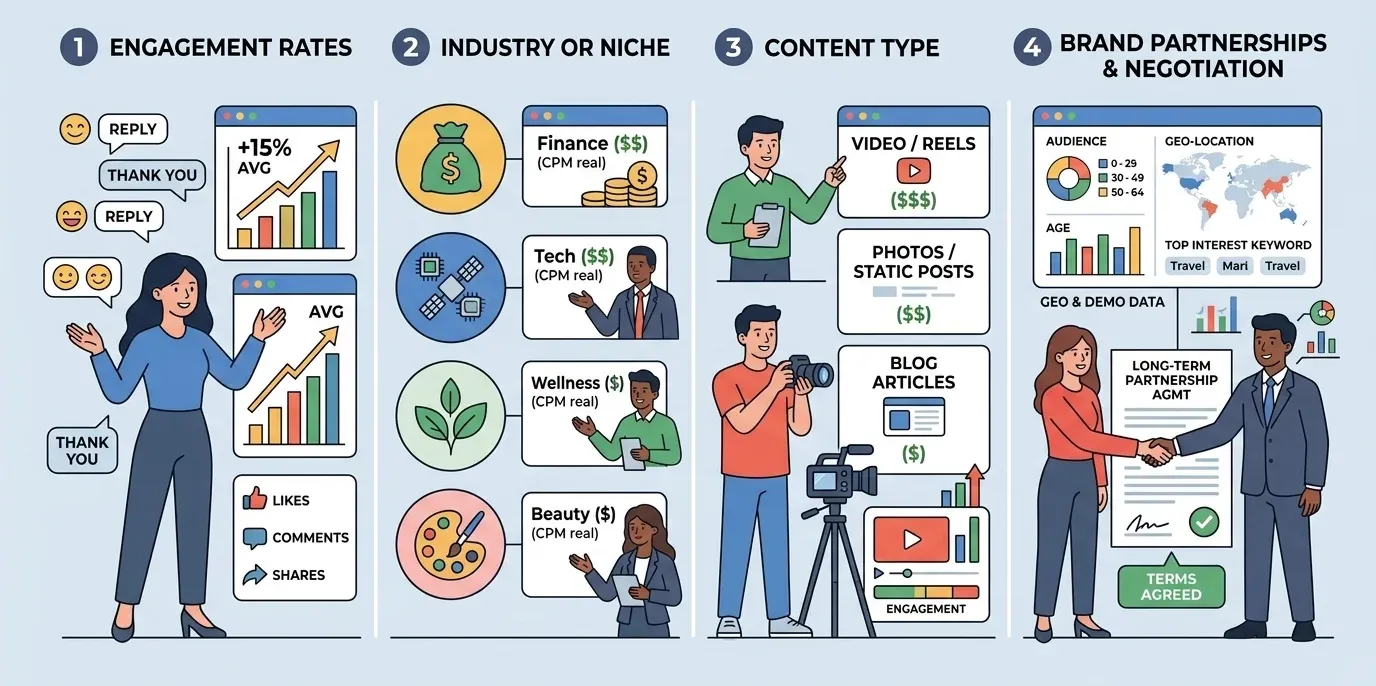
Engagement Rates
Engagement rates play a significant role in determining earning potential. Brands don't just look at follower count anymore. They want to see how actively your audience interacts with content. High engagement signals that your followers trust your opinions and value your recommendations. This makes you significantly more appealing to brands because they know their message will actually resonate.
Here's why engagement rates matter so much:
- They reflect genuine interactions between you and your followers.
- Brands increasingly prioritize influencers with strong engagement over those with just large followings.
- Higher engagement typically leads to more effective promotional campaigns and better conversion rates.
If you want to boost your influencer earnings, focus on building authentic connections with your audience. Respond to comments, ask questions in your posts, and create content that sparks genuine conversations.
Industry or Niche
Your niche significantly impacts how much you can earn. Some industries attract big brands with larger marketing budgets, while others offer fewer high-paying opportunities but provide steadier income through loyal audiences.
High-paying niches in 2026 include:
- Finance and Business: CPM rates of $15–$40, with premium sponsorship rates
- Technology: CPM rates of $10–$30, strong advertiser demand
- Health and Wellness: Growing demand with CPM rates of $5–$20
- Beauty and Fashion: Competitive but lucrative, especially for product-based partnerships
A beauty influencer promoting a luxury skincare brand will typically earn more than someone in a smaller niche like gardening. However, smaller niches often have less competition, which can make it easier to stand out and secure consistent partnerships. Focus on becoming an expert in your field. Brands love working with influencers who have deep understanding of their niche and create authentic, relatable content.
Content Type (Video, Photo, Blog Posts)
The type of content you create significantly affects your income. Visual formats like videos and Reels generate higher engagement compared to static posts. This makes them more attractive to brands looking to capture audience attention.
A well-produced video showcasing a product can command a substantially higher rate than a simple photo or blog post. If you're skilled at creating high-quality videos or eye-catching visuals, use this to your advantage. Brands are willing to pay more for content that stands out and genuinely connects with viewers.
To maximize earning potential, invest in improving your content creation skills. Learn video editing, experiment with new formats like Reels or live streams, and focus on delivering consistent quality. The better your content, the more lucrative opportunities you'll attract.
Geographic Location
Where you live, and more importantly, where your audience lives, significantly impacts your influencer earnings. Brands consider geographic location when deciding how much to pay because viewers in high-income countries (the United States, United Kingdom, Canada, Australia) are worth considerably more to advertisers.
An advertiser selling premium software will bid aggressively to reach American professionals but may not bid at all for audiences where their product isn't available or affordable. This creates a clear hierarchy of audience value that directly affects your earning potential.
Here's a tip: Highlight your unique perspective. If you're in a less saturated market, you can stand out by showcasing local culture, trends, or experiences that resonate with your audience while also appealing to global brands seeking authentic regional representation.
Brand Partnerships and Negotiation Skills
Brand partnerships remain one of the most lucrative ways to boost influencer earnings. But landing deals isn't enough. Negotiating the right terms is equally important. To maximize income, you need to know your worth and communicate it effectively.
Start by understanding what you bring to the table. Is your engagement rate higher than average? Do you have a loyal audience in a specific niche? Use these strengths to justify your rates. When a brand approaches you, don't hesitate to ask questions about their budget and deliverable expectations. The more information you gather, the better you can negotiate.
Here's a pro tip: Aim for long-term partnerships. Brands value consistency, and ongoing collaborations often lead to higher payouts and stronger relationships. Plus, they're easier to manage than constantly chasing one-off deals. If a brand offers less than you deserve, counter with a fair rate based on your metrics and past performance.
Income Streams for Social Media Influencers
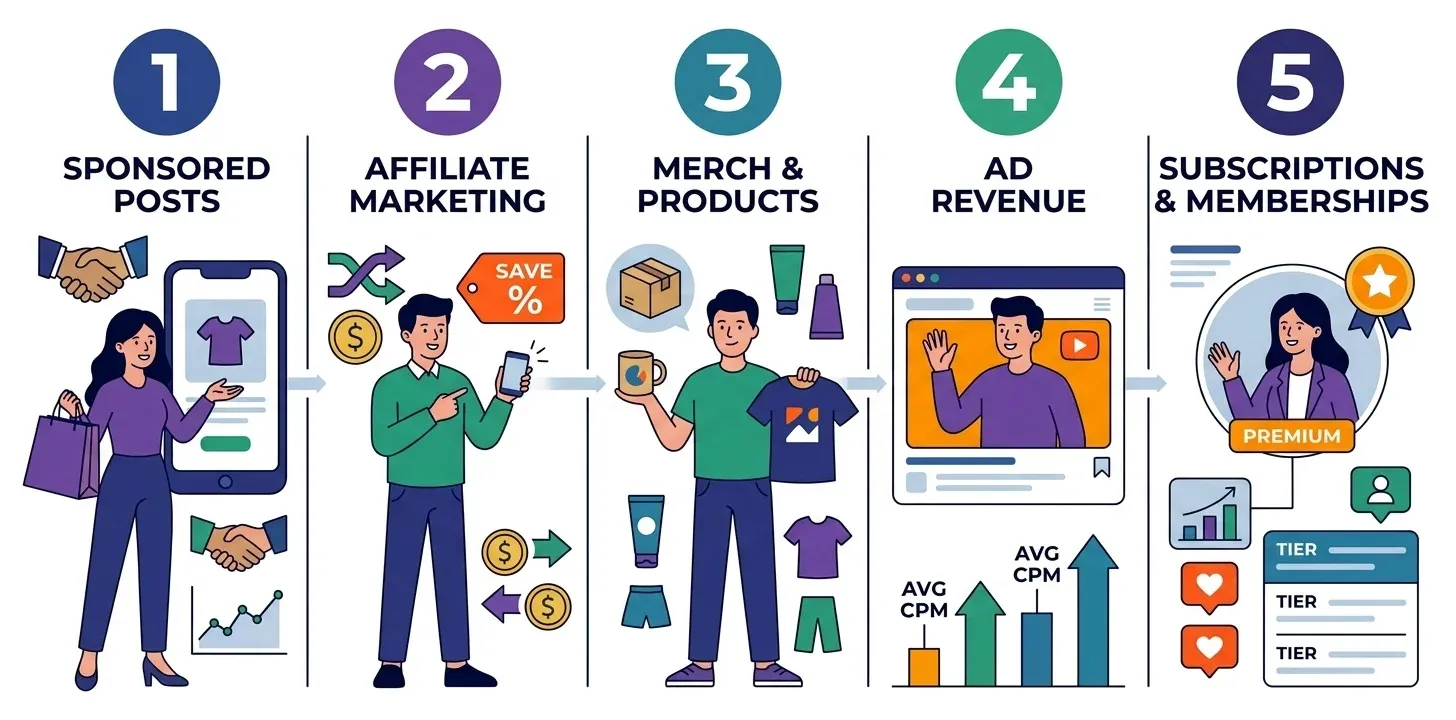
Sponsored Posts and Brand Deals
Sponsored posts and brand deals are among the most common ways influencers earn money. Brands pay creators to promote their products or services through posts, stories, or videos. These collaborations can range from one-time deals to long-term partnerships.
| Influencer Type | Typical Earnings per Post |
|---|---|
| Nano-influencers | $20–$500 |
| Micro-influencers | $250–$5,000 |
| Macro-influencers | $5,000–$25,000 |
| Mega-influencers | $15,000–$50,000+ |
If you're aiming to grow your income, focus on building strong relationships with brands. Long-term collaborations often pay more and give you a chance to showcase your creativity. Brands value authenticity, so stay true to your style and audience while delivering quality content.
Affiliate Marketing
Affiliate marketing offers another effective way to earn money as an influencer. You promote products or services using unique affiliate links and earn a commission for every sale made through your link. This income stream can be incredibly flexible, ranging from passive side income to substantial revenue.
Here's a quick breakdown of affiliate marketing income levels:
- Beginner: $0 to $1,000 per month
- Intermediate: $1,000 to $10,000 per month
- Advanced: $10,000 to $100,000 per month
- Super affiliate: Over $100,000 monthly
Affiliate marketing works best when you genuinely believe in the products you're promoting. Your audience will trust your recommendations if they feel authentic. Plus, it's an excellent way to earn passive income while focusing on other projects.
Merchandise and Product Sales
Launching your own merchandise or product line is a fantastic way to leverage your brand. Many influencers create and sell items like clothing, accessories, or digital products. This income stream not only boosts earnings but also strengthens your connection with your audience.
For example, fitness influencers might sell workout plans or branded gym gear. Beauty influencers might launch skincare lines. The key is offering products that align with your niche and resonate with your followers.
Selling merchandise gives you full control over your income. Unlike sponsored posts or affiliate marketing, you're not sharing profits with anyone else. It's your brand, your rules. If you're ready to take your career to the next level, consider creating something your audience will genuinely love.
Ad Revenue (YouTube AdSense)
Ad revenue remains one of the most reliable income streams for influencers, especially those on YouTube. With programs like YouTube AdSense, you get paid every time someone watches or clicks on an ad in your videos. It's a straightforward way to turn your content into consistent cash.
Here's how it works: YouTube places ads on your videos, and you earn a share of the revenue based on your CPM (Cost Per Mille), which represents how much advertisers pay per 1,000 views. CPM rates vary significantly based on your niche, audience location, and video length.
| Channel Type | Average CPM |
|---|---|
| Finance/Business | $15–$40 |
| Tech | $10–$30 |
| Lifestyle | $4–$10 |
| Gaming | $2–$8 |
To maximize your ad revenue, focus on creating longer videos (8+ minutes) since they allow for multiple ad placements. Also, aim to grow your audience in countries with higher CPM rates, like the United States or Canada.
Pro Tip: Don't rely solely on ad revenue. It's unpredictable and depends on factors like seasonality and ad demand. Diversifying income streams is essential for long-term financial security.
Subscription Models (Patreon, Memberships)
Subscription models let you earn directly from your fans. Platforms like Patreon and YouTube Memberships allow your followers to pay a monthly fee for exclusive content. This could include behind-the-scenes videos, tutorials, or even one-on-one interactions.
Patreon works particularly well for creators in niches like art, music, or education. You can set different membership tiers, offering perks like early access to content or personalized shoutouts. For example, a $5 tier might give fans access to exclusive posts, while a $20 tier could include private Q&A sessions.
| Tier | Perks | Price |
|---|---|---|
| Basic | Exclusive posts | $5/month |
| Premium | Early access + Q&A sessions | $20/month |
YouTube Channel Memberships operate similarly, allowing viewers to pay for exclusive badges, emojis, and members-only content. The key is offering value that your audience can't get anywhere else.
Note: Building a loyal fanbase is essential for subscription models. Engage with your followers and make them feel like part of your journey. Subscription platforms give you control over your income and reward your most dedicated fans.
Social media influencers in 2026 have endless opportunities to earn, with the industry valued at over $32 billion and continuing to grow. Your earnings depend on factors like engagement rates, platform choice, and how well you diversify income streams.
Platforms like Instagram and YouTube offer lucrative options, while TikTok and Facebook provide unique ways to connect with audiences and monetize content.
Conclusion
If you're just starting out, focus on building authentic engagement. Post consistently, but make sure your content aligns with your audience's needs. Engage with your followers, share personal stories, and create value-driven posts. Diversifying your income streams is also critical. You can sell digital products, launch merchandise, or explore affiliate marketing and brand partnerships.
The influencer industry continues growing rapidly, and now remains an excellent time to establish your presence. By staying authentic and exploring multiple revenue streams, you can maximize your earnings and turn your passion into a thriving career.
FAQ
What is the best platform to start as a new influencer?
It depends on your content style and where your target audience spends time. Instagram works well for photos and Reels with strong visual appeal. TikTok excels for short, creative videos that can go viral quickly. YouTube suits long-form content and educational material. Consider your strengths and the type of content you enjoy creating most when choosing your primary platform.
How do I calculate my rates as an influencer?
Start with your follower count and engagement rate. A common formula uses approximately $100 per 10,000 followers as a baseline. However, you should adjust based on your niche (finance and tech command higher rates), content quality, audience demographics, and the specific deliverables required. Factor in production time, usage rights, and any exclusivity requirements when determining your final rate.
Can I make money as a nano-influencer?
Absolutely. Brands increasingly prefer nano-influencers for their highly engaged, trusting audiences. You can earn through sponsored posts ($20–$200 each), affiliate marketing, and product gifting partnerships. Nano-influencers actually deliver the highest engagement rates of any tier, which makes them attractive for brands focused on authentic connections rather than just reach.
How do I increase my engagement rate?
Engage with your audience daily through responding to comments, asking questions in your posts, and creating interactive content like polls or quizzes. Post consistently at times when your audience is most active. Share relatable, high-quality content that provides value. Authenticity matters most because your followers want to connect with the real you, not a polished persona.
Do I need professional equipment to succeed?
Not initially. Many successful influencers started with just a smartphone. As you grow, consider investing in better lighting, a quality microphone (audio matters more than video quality for many formats), and editing software. What matters most is your creativity, authenticity, and how well your content resonates with your audience. Equipment upgrades can come as your income grows.