
Influencer marketing is no longer a one-size-fits-all strategy. The right influencer marketing campaign depends on business goals, budget, campaign timelines, and audience interactions with content. Understanding the different types of influencer marketing campaigns helps brands choose approaches that align with their objectives and deliver measurable results.
6 Types of Influencer Marketing Campaigns Brands Use Most in 2026
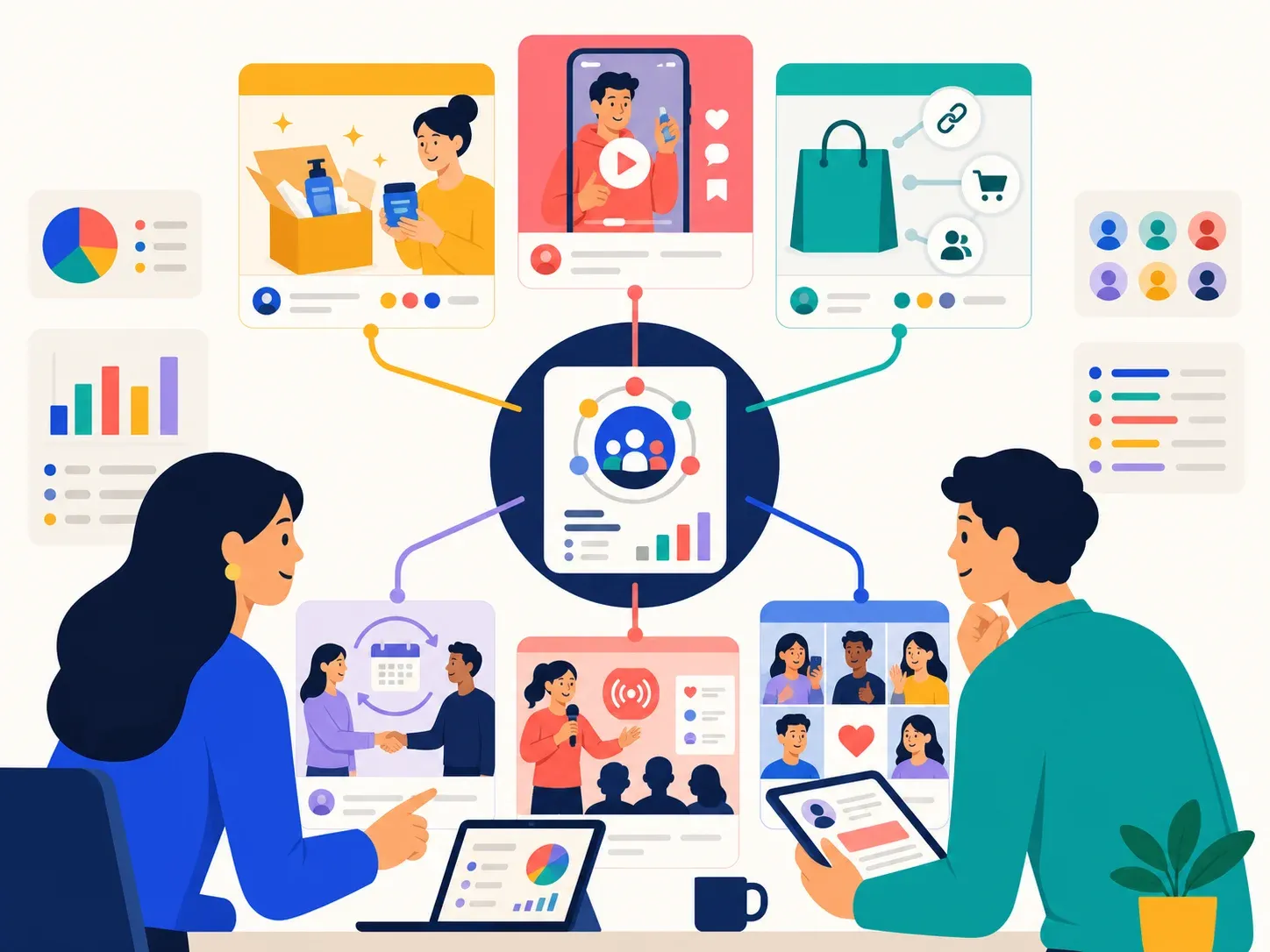
Generally, brands use different campaign formats depending on whether they want awareness, engagement, conversions, content creation, or long-term advocacy. Each campaign type serves a different role in the marketing funnel.
Below are some of the most common types of influencer marketing campaigns used across industries today, along with real-world influencer marketing campaign examples that illustrate how each approach works in practice.
Type 1: Sponsored Content Campaign
Sponsored content campaigns are one of the most widely used forms of influencer marketing. In this model, brands pay creators to produce content featuring a product, service, or message while maintaining the creator's native style and audience appeal. The goal is to leverage relationships with trusted creators to increase awareness, engagement, and brand credibility.
One example of this approach appeared in May 2026, when singer Demi Lovato (@ddlovato) partnered with Therabreath on an Instagram Reel centered around an "only the essentials!" daily routine. Rather than relying on direct promotion, the product was naturally integrated into lifestyle content, making the partnership feel authentic and relatable.
This strategy was also demonstrated by Expedia's 2026 partnership with IShowSpeed (@IShowSpeed) for a year-long sponsored campaign across YouTube and TikTok. Expedia sponsored the creator's global travel livestreams, beginning with a broadcast covering five Caribbean destinations in one day. The campaign also invited audiences to vote on his next travel destination through TikTok.

Sponsored campaigns are often effective for product launches, awareness initiatives, and seasonal promotions. For a deeper look at campaign structure, pricing, and execution, see our guide to sponsored posts and influencer collaborations.
Type 2: Product Seeding Campaigns
Product seeding campaigns focus on distributing products to creators in exchange for potential exposure rather than guaranteed sponsored deliverables. Brands use this approach to generate organic content and collect authentic creator feedback, and encourage natural recommendations. Because participation is voluntary, the resulting content often feels more genuine to audiences.
For example, activewear brand JOJA executed a large-scale product seeding initiative built around getting products into as many creators' hands as possible during new product launches and seasonal campaigns. The strategy helped generate broad visibility while encouraging natural product recommendations.
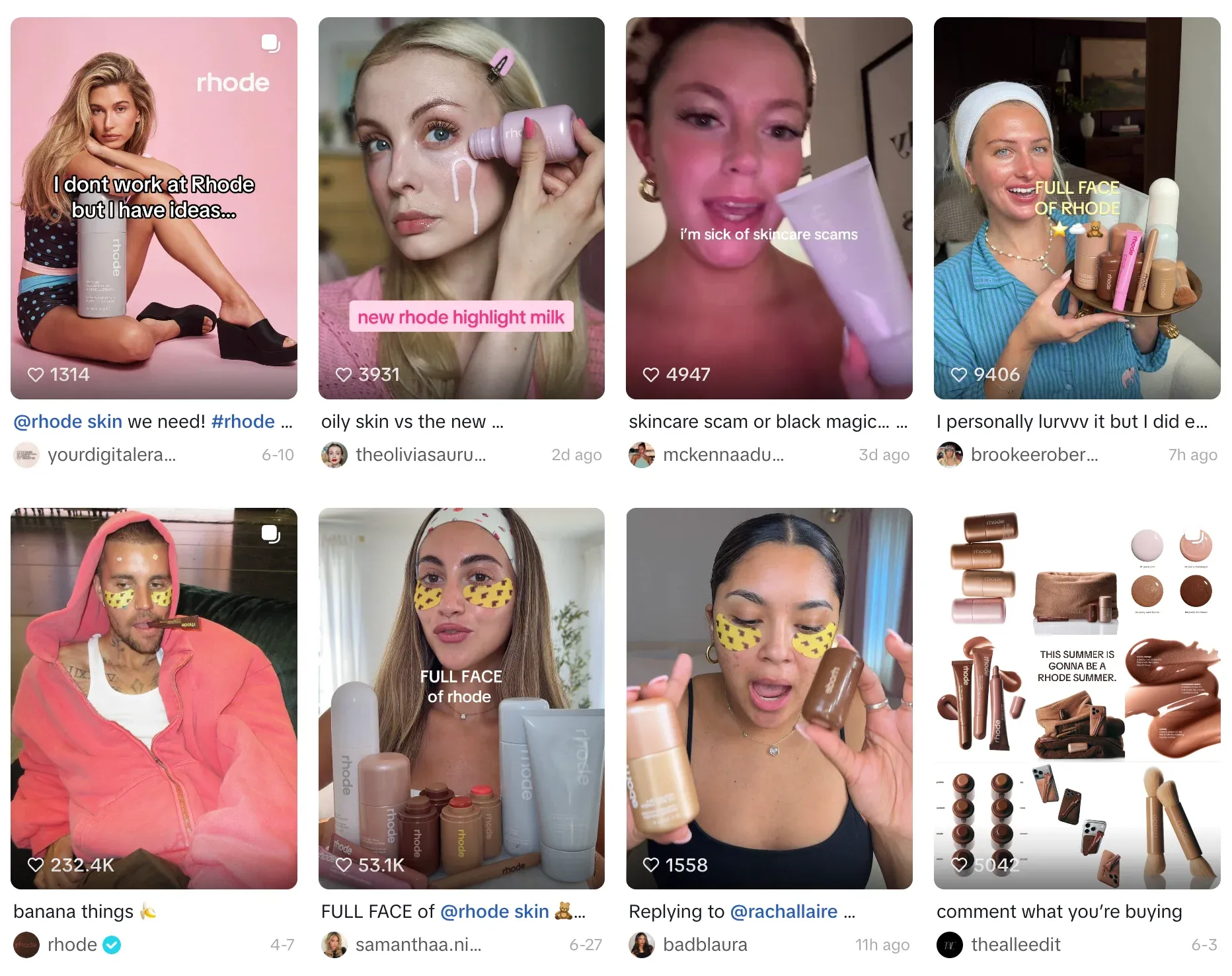
A similar approach was used by Rhode Skin in 2025, when the beauty brand sent product launches, including its Pocket Blush collection, to creators through large-scale product seeding. Many creators voluntarily shared unboxing videos, first impressions, and tutorials, creating organic visibility without requiring identical sponsored deliverables.
This campaign type works particularly well for consumer goods, beauty products, fashion items, and lifestyle brands that benefit from hands-on creator experiences. Brands often combine product seeding with broader creator partnership strategies and different influencer brand deal models to maximize reach.
Type 3: User-Generated Content (UGC) Campaigns
UGC campaigns encourage influencers and consumers to create content around a specific theme, challenge, or brand message. The goal is to generate authentic content at scale while increasing audience participation. By motivating users to contribute their own experiences, brands can expand reach, strengthen social proof, and foster deeper community engagement.
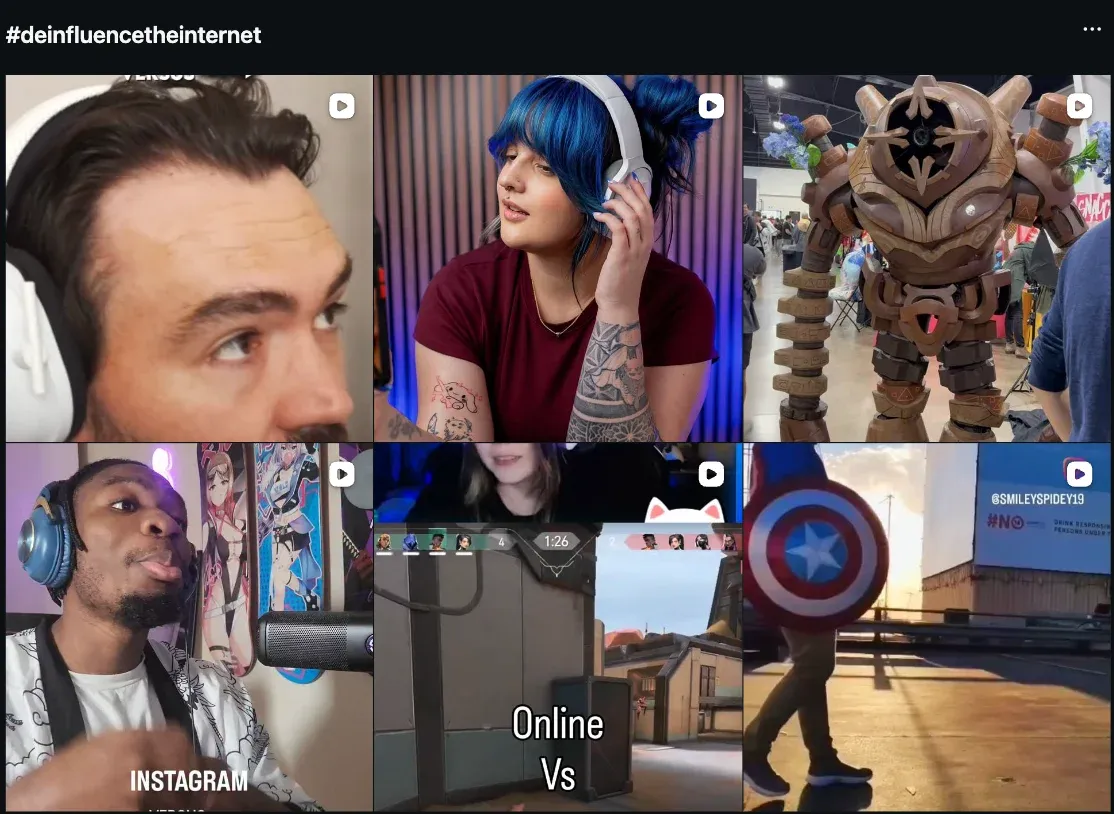
The #DeInfluenceTheInternet campaign from Acer Africa in February 2026 demonstrates how brands can use UGC to encourage broader participation. Working with gaming content creators, the campaign invited users to share unfiltered photos and videos that challenged the culture of highly curated social media content.
Community-driven UGC was also at the center of YouTube's 2025 partnership with LEGO through "LEGO Festival". The initiative encouraged fans worldwide to create and share LEGO-related videos, while YouTube used recommendations and dedicated exposure areas to transform individual creations into a larger cultural moment with broader audience participation.
UGC campaigns are especially valuable because they create social proof and produce content that brands can reuse across marketing channels. Many organizations also use platform-specific features and Instagram branded content tools to improve campaign visibility and transparency.
Type 4: Affiliate Influencer Campaigns
Affiliate influencer campaigns connect creator compensation directly to measurable business outcomes. Influencers receive unique tracking links, discount codes, or referral systems that allow brands to attribute sales and revenue. This performance-based structure helps reduce marketing risk while incentivizing creators to focus on driving meaningful conversions rather than visibility alone.
Travel brand Thatch Caye Resort in Belize applied an affiliate-based influencer strategy in 2025 by collaborating with creators through exclusive booking codes. This approach allowed the resort to track reservations generated through influencer content while connecting campaign activity directly to measurable business results.
The gaming industry provides another clear example through Opera GX's 2025 collaborations with YouTube creators. Using trackable download links and referral programs, creators demonstrated browser features during gaming and productivity videos while allowing the brand to attribute installations and reward performance.
Affiliate campaigns are particularly effective for ecommerce brands, travel businesses, software products, and direct-to-consumer companies focused on conversions. Brands seeking performance-driven partnerships often combine influencer promotion with affiliate structures. Learn more about combining influencer and affiliate marketing for stronger ROI measurement.
Type 5: Brand Ambassador Programs
Brand ambassador programs focus on building long-term relationships with creators rather than running one-off campaigns. Ambassadors repeatedly represent the brand across multiple initiatives, helping establish trust and consistency over time. These ongoing partnerships enable brands to reinforce messaging, strengthen audience familiarity, and develop deeper creator-brand alignment.
In May 2026, nutrition bar company LUNA Bar launched its "Easy to Love" campaign and named actress Jessica Alba (@jessicaalba) as its first official brand ambassador. Because Alba had been a genuine supporter of the brand before the partnership, the collaboration felt credible and aligned with audience expectations.
Another example came in January 2026 when Nike established a long-term ambassador partnership with BLACKPINK member LISA (@lalalalisa_m). Through global campaigns, advertisements, and brand initiatives, LISA helped Nike connect with younger audiences beyond traditional sports consumers. The ongoing collaboration strengthened brand credibility by aligning Nike’s values with fashion, lifestyle, and youth culture.
@nike The NikeSKIMS Spring ’26 Collection, featuring @LISA ♬ original sound - Nike
Ambassador programs are commonly used when brands want sustained visibility, stronger community trust, and ongoing content creation. Many leading organizations have built highly successful ambassador strategies, as highlighted in these brand ambassador program examples.
Type 6: Influencer Whitelisting Campaigns
Influencer whitelisting allows brands to run paid advertisements directly through creators' social media accounts. Instead of publishing ads solely from the brand account, companies gain permission to amplify influencer content using advertising budgets. This approach combines creator authenticity with paid targeting capabilities, helping brands scale reach and improve campaign performance.
Blueland demonstrated the value of influencer whitelisting through its partnership with micro-influencer platform Stack Influence. The campaign transformed creator-generated content into paid advertisements that ran from influencer profiles, helping preserve authenticity while expanding reach through paid media.
AlphaInfuse adopted a similar whitelisting strategy in 2025 by acquiring rights to creator videos and repurposing them as paid advertisements across multiple platforms. Instead of depending only on organic reach, the brand amplified creator-made content through paid campaigns, combining authentic storytelling with greater advertising scale.
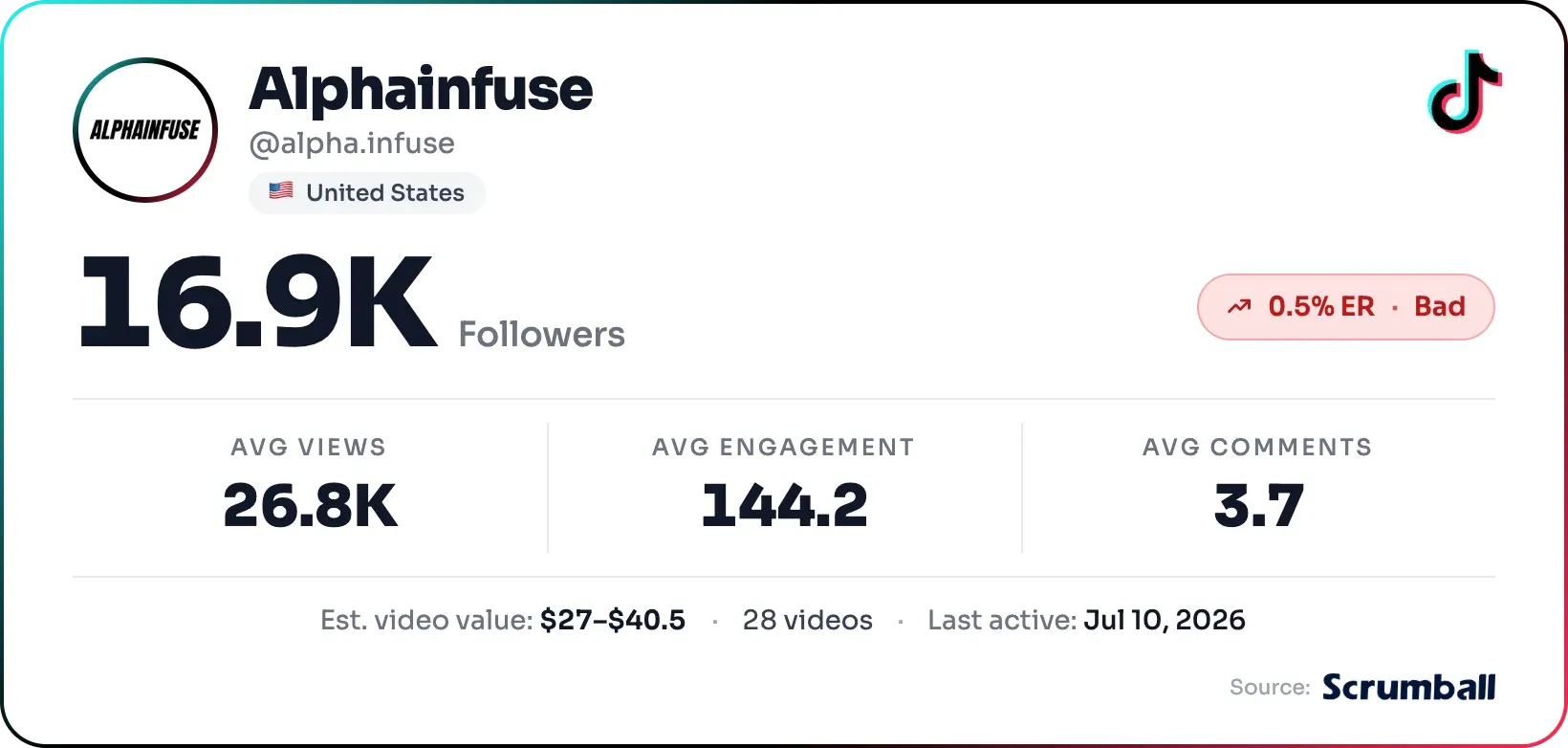
Whitelisting campaigns combine the credibility of creator content with the targeting capabilities of paid media. They are particularly useful when brands want to scale high-performing content beyond organic reach. Brands interested in this approach can explore influencer whitelisting best practices and campaign considerations.
How Brands Choose the Right Type of Influencer Marketing Campaign
Not every campaign type fits every business objective. The most successful influencer marketing campaigns align campaign structure with business priorities, audience expectations, and available resources.
Product Type and Purchase Journey
Different products benefit from different campaign structures. Low-cost consumer products often perform well with product seeding and UGC campaigns because customers can make quick purchasing decisions.
Higher-consideration products, such as travel experiences, software solutions, or premium goods, frequently require affiliate campaigns, educational sponsored content, or long-term ambassador relationships.
Since consumers usually spend more time evaluating these purchases, brands often benefit from campaign formats that build credibility, answer questions, and reinforce trust over multiple touchpoints, such as in-depth product reviews, educational sponsored content, recurring ambassador partnerships, and performance-driven affiliate campaigns.
Campaign Goals and KPIs
Campaign objectives are often the primary factor influencing campaign design. Brands focused on awareness typically prioritize reach, impressions, and content visibility.
Organizations pursuing conversions may emphasize affiliate partnerships, whitelisting campaigns, or creator content optimized for direct response. Clear KPIs help determine creator selection, content formats, reporting requirements, and performance expectations throughout the influencer marketing campaign.
Budget and Resource Availability
Budget influences everything from creator selection to campaign scale. Sponsored campaigns with large creators generally require higher investments, while product seeding and micro-influencer programs can often be executed more efficiently.
Internal resources matter as well. Managing dozens of creators requires communication, approvals, reporting, and coordination. Brands with limited teams may prefer campaign formats that are easier to manage and automate, such as affiliate campaigns with automated tracking, scalable product seeding programs, or one-off sponsored content collaborations.
Audience Behavior and Platform Fit
Consumer behavior varies significantly across platforms. Short-form video audiences may respond differently than audiences consuming long-form educational content.
Brands should evaluate where their target audience spends time, how they discover products, and which content formats generate engagement. The right platform fit often influences both creator selection and campaign structure more than follower counts alone.
Campaign Timeline and Speed Requirements
The timeline for influencer marketing campaigns can vary from a few weeks to several months. Fast-moving product launches may require creators who can produce content quickly with minimal approval cycles.
Longer campaigns often provide opportunities for testing, optimization, and multi-stage content strategies. Brands should align campaign selection with launch deadlines, seasonal events, and internal marketing schedules.
Influencer Relationship Strategy
Some campaigns prioritize immediate results, while others focus on long-term creator relationships.
Sponsored posts and product seeding campaigns are commonly used for short-term initiatives. Brand ambassador programs and recurring partnerships support relationship-building over time. When creators consistently engage with a brand, audiences often perceive recommendations as more authentic and trustworthy.
Typical Timeline for Influencer Marketing Campaign Execution
While every campaign differs, most brands follow a structured process when planning and executing influencer partnerships. Understanding the typical timeline for influencer marketing campaigns helps improve coordination and performance.
While every campaign differs, most brands follow a structured process when planning and executing influencer partnerships. Understanding the typical timeline for influencer marketing campaigns helps improve coordination and performance. While the timeline below provides a high-level overview, brands seeking a more comprehensive walkthrough can explore our guide on how to do influencer marketing.
Stage 1: Planning and Influencer Discovery
The process begins with defining campaign objectives, target audiences, budgets, and success metrics. Once goals are established, brands identify creators whose audiences align with those objectives.
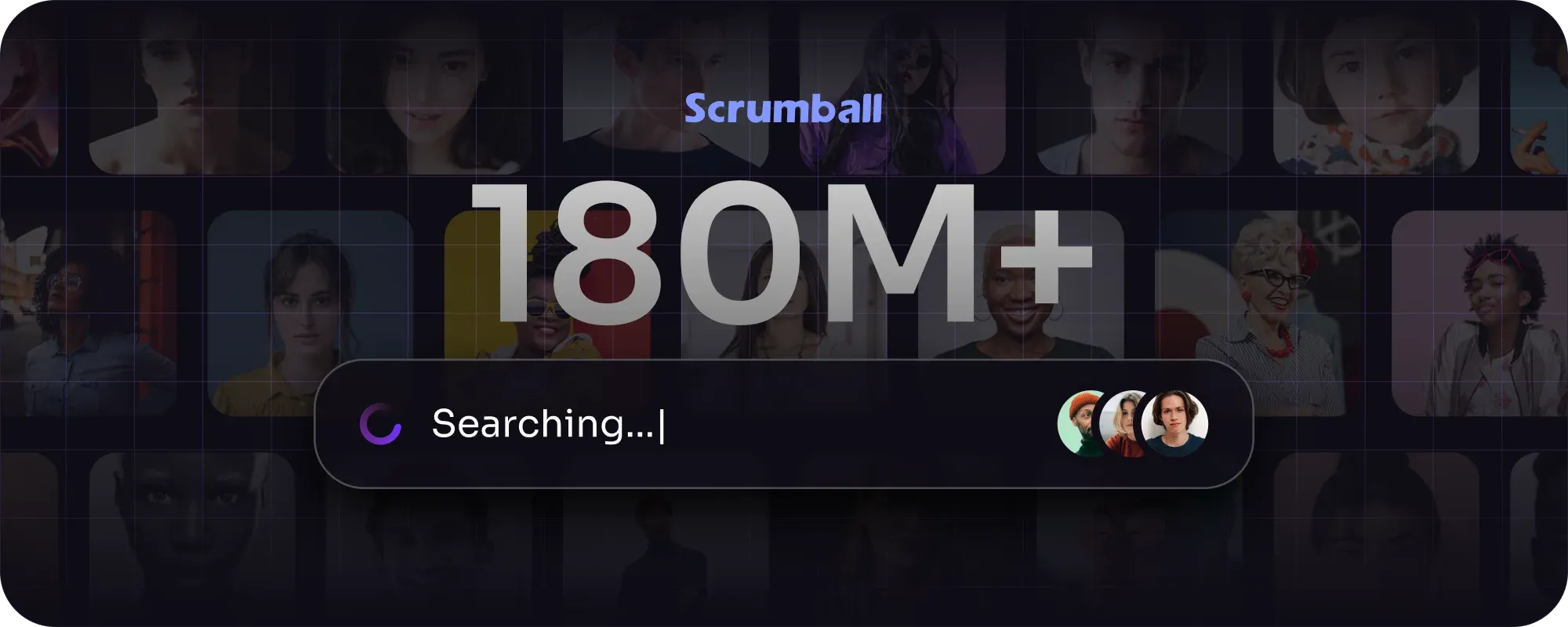
Modern influencer discovery tools help marketers analyze creator demographics, audience quality, content categories, engagement patterns, and historical brand partnerships. These insights enable brands to identify creators who not only reach the right audience but also align with specific campaign objectives and performance expectations.
Stage 2: Outreach and Negotiation
After identifying suitable creators, brands move into outreach and partnership discussions. Beyond negotiating deliverables and compensation, teams often evaluate content usage rights, exclusivity clauses, campaign timelines, disclosure requirements, and performance expectations to minimize execution risks.

As campaigns scale, manual communication quickly becomes difficult to manage. Many brands use automatic outreach and influencer CRM tools to centralize conversations, track negotiation status, manage contracts, and maintain visibility across hundreds of creator relationships simultaneously. This helps improve operational efficiency while reducing delays throughout the campaign workflow.
Stage 3: Content Production
During content production, brands collaborate with creators to ensure key messages, product positioning, and campaign objectives are accurately reflected without compromising authenticity. Detailed creative briefs, content guidelines, and approval workflows help maintain consistency across multiple creators and platforms.
Additionally, brands should balance governance with creative freedom. Overly restrictive requirements can reduce audience trust and engagement, while insufficient oversight may create compliance, brand safety, or messaging issues. Successful campaigns establish clear expectations while allowing creators to communicate in ways that resonate naturally with their audiences.
Stage 4:Campaign Launch and Monitoring
Once content is published, campaign management shifts from execution to performance monitoring. Brands track a combination of awareness, engagement, and conversion metrics, including reach, impressions, engagement rate, clicks, video completion rates, and attributed sales.
Real-time monitoring allows teams to identify high-performing creators, content formats, and audience segments early in the campaign. These insights can inform budget reallocations, paid amplification decisions, creator prioritization, and optimization efforts before the campaign concludes, improving overall performance and efficiency.
Stage 5: Reporting and Optimization
The final stage focuses on measuring outcomes against predefined KPIs and business objectives. Brands analyze campaign performance across creators, platforms, content formats, and audience segments to determine overall effectiveness and return on investment.
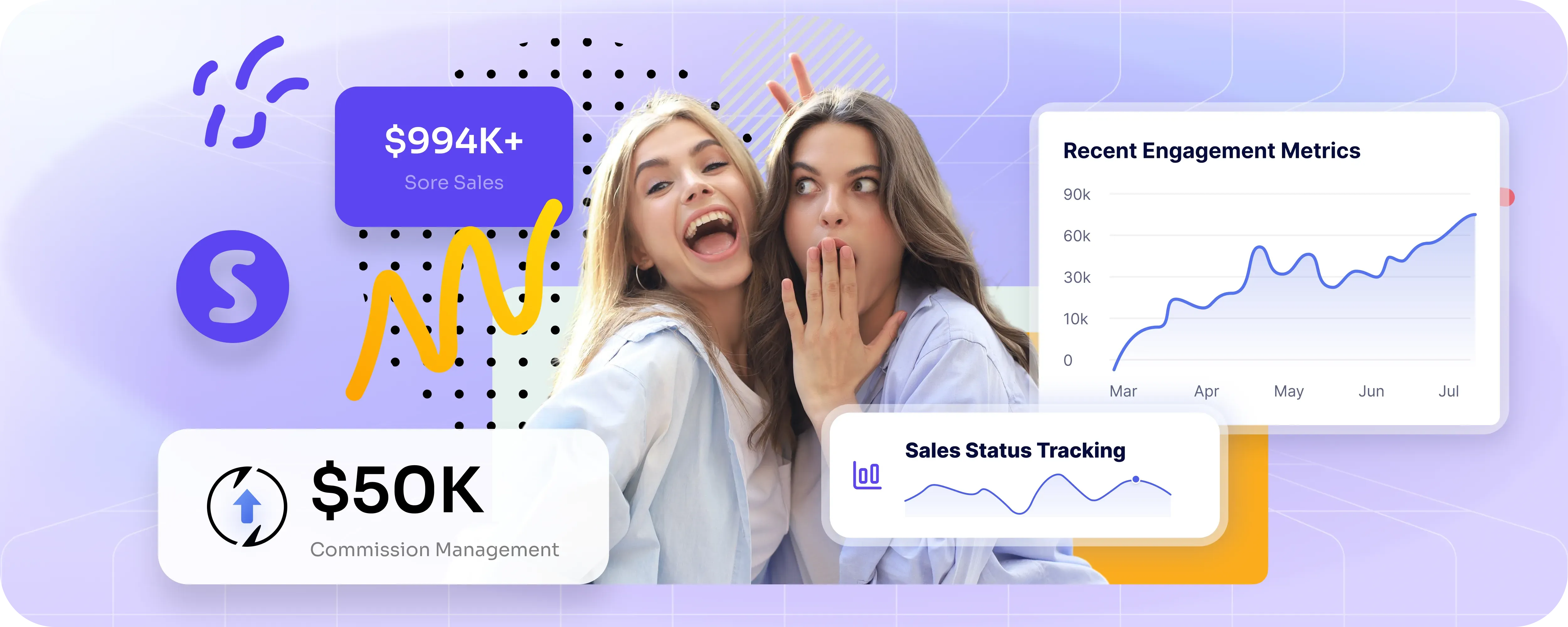
Advanced performance tracking tools help marketers connect influencer activity to measurable business results through attribution, conversion tracking, and revenue analysis. Insights gathered during reporting often influence future creator selection, budget allocation, content strategy, and influencer marketing campaign planning, creating a continuous optimization cycle that improves performance over time.
Conclusion
Different types of influencer marketing campaigns serve different business objectives, each offering unique advantages depending on goals, budget, audience behavior, and execution requirements.
Choosing the right influencer marketing campaign starts with aligning objectives to the most appropriate campaign format. With a structured strategy, clear KPIs, and the right technology stack, brands can generate more predictable results. Platforms such as Scrumball can further support influencer discovery, relationship management, performance tracking, and campaign execution at scale.
Frequently Asked Questions
What is the most effective type of influencer marketing campaign for brand awareness?
Product seeding campaigns, sponsored content campaigns, and UGC initiatives are often the most effective for brand awareness. These formats maximize content volume, audience reach, and organic sharing opportunities while helping brands generate visibility across multiple creator communities.
How long does an influencer marketing campaign usually take to show results?
Results vary depending on campaign type, goals, and attribution windows. Awareness-focused campaigns often generate impressions, reach, and engagement within days of content publication. However, conversion-focused campaigns typically require several weeks to collect sufficient data, especially for higher-consideration purchases with longer decision cycles. Most brands evaluate campaign performance over a period of two to eight weeks to identify meaningful trends and measure overall effectiveness.
What factors affect the cost of an influencer marketing campaign?
Campaign costs are influenced by several factors, including influencer tier, audience size, platform, content format, campaign duration, and expected deliverables. Additional costs may arise from content usage rights, exclusivity agreements, paid amplification, influencer whitelisting, and campaign management requirements. Larger campaigns involving multiple creators, extensive reporting, or long-term partnerships typically require higher overall investment.
How do brands measure the success of influencer marketing campaigns?
Brands typically measure success using KPIs such as engagement rate, reach, impressions, click-through rate, conversions, revenue attribution, and ROI. The specific metrics depend on campaign objectives. For example, awareness campaigns often prioritize visibility and engagement, while conversion-focused campaigns place greater emphasis on sales, customer acquisition, and overall return on marketing investment.
Can any of these influencer marketing campaigns work for small businesses?
Yes. Product seeding is usually the best entry point, since sending products to nano and micro influencers costs far less than sponsored content fees. UGC campaigns and affiliate influencer campaigns can also work well: UGC creates reusable content, while affiliate partnerships tie creator compensation to measurable sales, helping small teams manage limited budgets.