

In 2026, the question isn't "Does influencer marketing work?"—it's "How efficiently can we scale it?"
Recent data indicates that for every $1 spent, businesses are now seeing an average return of $6.50 (up from $5.78 in 2023). However, this high yield comes with increased complexity. With the rise of AI influencers, TikTok Shop, and fragmented social platforms, measuring Return on Investment (ROI) has become a technical challenge.
This guide breaks down the real pros and cons of investing in creators today and provides a modern framework for calculating your campaign's true value.
Measuring Influencer Marketing ROI in 2026
The Modern ROI Formula
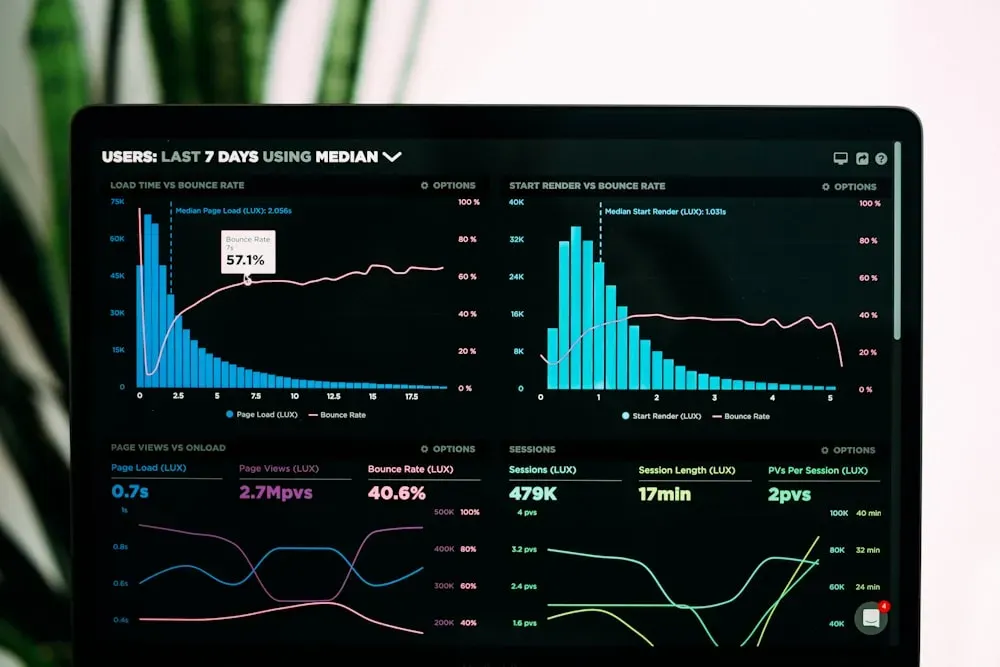
Traditional ROI calculations often fail because they ignore the "halo effect" of brand awareness. The 2026 standard for calculation is:
ROI = (Revenue + Earned Media Value) – (Creator Fees + Product Costs + Agency Fees) / Total Costs × 100
This formula accounts for both direct sales and the value of the content created (which replaces expensive studio shoots).
Key Metrics That Actually Matter
Forget likes. In 2026, professional and experienced marketers track:
- Cost Per Acquisition (CPA): How much did it cost to get a paying customer?
- Click-Through Rate (CTR): Are people actually leaving the social app to visit your site?
- Save Rate: On platforms like TikTok and Instagram, "Saves" indicate high purchase intent.
- Creator-Led Sales: Revenue tracked via specific affiliate links or TikTok Shop integration.
The Pros: Why Brands Are Doubling Down
1. Hyper-Targeted Reach
Unlike a billboard or TV ad, influencers allow you to target specific psychographics. Selling vegan protein powder? Partnering with a plant-based fitness creator ensures 100% of your ad spend hits a qualified audience. This efficiency lowers wasted ad spend.
2. "Shoppertainment" & Frictionless Commerce
With features like TikTok Shop and YouTube Shopping, the funnel has collapsed. A user can watch a video and buy the product without ever leaving the app. This reduces friction and drastically increases conversion rates compared to traditional social ads.
3. Content Production at Scale
Influencers are essentially mini-production studios. A campaign with 10 micro-influencers generates 10 unique pieces of high-quality content (UGC) that you can repurpose for your website, email marketing, and paid ads. This is often 50% cheaper than hiring a professional agency for a photoshoot.
The Cons: Risks You Must Manage
1. Attribution is Still Messy
The "Dark Funnel" problem persists. A user might see an influencer's post, not click, but then Google your brand 3 days later to buy. Traditional tracking software (like Google Analytics) will credit "Organic Search" for that sale, causing you to undervalue the influencer's impact.
2. Brand Safety Risks
When you partner with a human, you inherit their unpredictability. If an influencer gets cancelled or embroiled in a scandal, your brand can suffer guilt by association. Thorough vetting using tools like Scrumball is essential to check past content alignment.
3. Rising Costs
As the industry matures, creator fees are rising. Managers and agents are becoming standard even for micro-influencers, which adds layers of negotiation and cost to every deal.
How to maximize Your ROI
1. Use "Whitelisting" (Partnership Ads)
Don't just rely on organic reach. Get access to the creator's ad account to run their content as a paid ad (Whitelisting). This allows you to target specific audiences (Lookalikes) and add a "Shop Now" button, significantly boosting ROI.
2. Implement Post-Checkout Surveys
To solve the attribution problem, add a simple question at checkout: "How did you hear about us?" You will be surprised how many customers cite specific influencers even when the tracking pixel missed it.
3. Focus on Long-Term Ambassadors
One-off posts rarely drive massive ROI. The real value comes from repeated exposure. Sign 6-12 month contracts with high-performing creators. This builds trust with their audience and usually secures you a lower "bulk" rate.
Influencer marketing remains one of the most effective channels in 2026, but it requires discipline. The days of sending free product and hoping for the best are over. By treating creators as media partners and tracking rigorous financial metrics, you can turn influence into a predictable revenue engine.
FAQ
What is a good ROI for influencer marketing?
A "good" ROI is generally considered 5:1 (making $5 for every $1 spent). However, for brand awareness campaigns, simply breaking even (1:1) on direct sales is acceptable if the Earned Media Value is high.
How do I track sales without affiliate links?
Use unique discount codes (e.g., SARAH20). Even if the user doesn't click the link, if they use the code, you know exactly which influencer drove the sale.
Are micro-influencers better for ROI?
Yes. Data consistently shows that micro-influencers (10k-100k followers) have higher engagement rates and lower costs than celebrities, leading to a more efficient ROI.
How do I avoid fake influencers?
Use an auditing tool like Scrumball to analyze their audience. Look for red flags like sudden spikes in followers or comments that look generic (e.g., "Nice pic!").
Should I pay influencers a flat fee or commission?
Ideally, a hybrid model. Offer a small base fee (to cover content creation time) plus a commission on sales. This aligns incentives while respecting the creator's work.