
Social media marketing is getting more and more competitive these days; simply having followers is no longer enough. What truly determines success is your Instagram engagement rate—how actively your audience interacts with your content.
Whether you're a brand running influencer campaigns or a creator growing your audience, understanding how to improve engagement can significantly impact reach, trust, and conversions.
In this guide, you’ll learn:
- Why Instagram engagement rate matters more than followers
- How to calculate engagement rate (with formula)
- Proven strategies to increase engagement
How Brands Can Improve Instagram Campaign Engagement
Influencer marketing is one of the most effective ways to boost Instagram engagement because it connects brands with already active, interested communities. However, not every collaboration delivers results. True success depends on combining the right creators with the right content strategy and optimized execution.
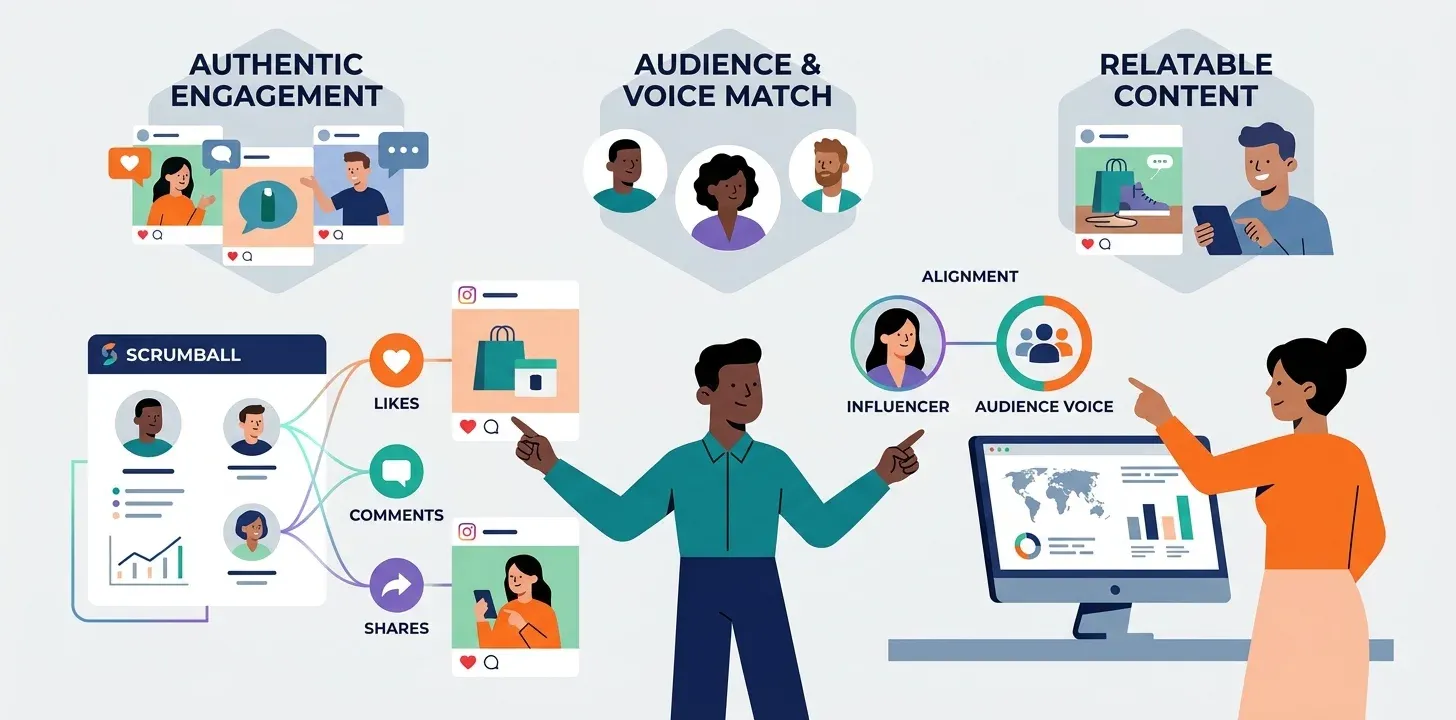
Choose Influencers with Authentic Engagement
High follower counts can be misleading. Instead of focusing solely on size, prioritize creators who demonstrate strong engagement signals, such as likes, comments, shares, and meaningful interactions.
Platforms like Scrumball allow brands to evaluate creators based on real engagement data, helping avoid fake followers or inactive audiences and ensuring that campaigns reach genuinely interested communities.
Match Influencers with the Right Audience and Brand Voice
Engagement increases when content feels natural and aligned with the target audience. Collaborating with influencers whose audiences closely match your brand’s target market ensures that your messaging resonates.
Conversely, a mismatch in tone or audience can lead to underwhelming results, even if the creator has a large following. Scrumball helps identify influencers whose audience demographics, interests, and engagement patterns align with your campaign goals, making partnerships more effective.
Create Relatable, Authentic Content
Authenticity drives interaction. Content that reflects real-life use cases, personal experience, or honest opinions consistently outperforms polished, ad-like posts. Product-focused influencers, especially those who already use similar products, tend to foster more credible, genuine interactions.
By blending brand messaging naturally into a creator’s usual style, campaigns encourage audiences to comment, save, and share, resulting in higher engagement rates.
How Influencers Can Improve Instagram Engagement

Influencers play a key role in driving engagement on Instagram, but success requires more than posting frequently. By focusing on authentic content, audience interaction, and strategic planning, creators can grow meaningful engagement with their followers.
Build Genuine Audience Interaction
Engagement is a two-way street. As content creators, it’s always recommended to actively engage with your audience. Reply to comments, answer questions in direct messages, and encourage conversations through captions that invite responses.
Simple actions like acknowledging followers, sharing insights, or asking for opinions can significantly increase likes, shares, and saves.
Focus on Consistency and Niche Content
Posting consistently within a defined niche helps audiences know what to expect and builds trust. Influencers should identify the content types their audience loves—whether it’s Reels, Carousels, or Stories—and maintain a regular schedule to keep followers engaged over time.
Use Authentic, Native Content Styles
Audiences respond best to posts that feel genuine rather than overly promotional. Influencers should integrate brand collaborations naturally into their usual style, using storytelling, product demos, or personal experiences. Authenticity ensures followers perceive recommendations as credible rather than forced.
Track Performance and Optimize
Monitoring which posts get the most engagement helps influencers refine their strategy. Metrics like comments, shares, saves, and Reels completion rates indicate what resonates with the audience. Tools like Scrumball can help influencers analyze their own performance and collaborate more effectively with brands by sharing transparent engagement data.
Collaborate Strategically with Brands
Engagement increases when influencers work with brands whose products align with their audience and values. By choosing partnerships thoughtfully and maintaining authenticity, influencers can create content that feels natural and drives meaningful interactions, boosting both their own growth and campaign success.
Content Strategies That Drive High Instagram Engagement
Not all content formats perform equally; more importantly, not every format works for every creator. The key to improving your Instagram engagement rate is matching the right content strategy with the right influencer.
Rather than relying on guesswork, brands should focus on identifying creators who already perform well with specific content types—and collaborate with them accordingly.
Short-Form Video and Reels
Reels can drive strong engagement, but only when creators are already skilled in this format.
How to apply this strategically:
- Identify influencers who consistently produce high-performing Reels
- Prioritise creators whose audience actively engages with such video content
- During outreach, align on video style (UGC, storytelling, trends) rather than imposing a rigid format
Educational Carousel Posts
Carousels work well for creators who focus on sharing value-driven or informative content.
How to apply this strategically:
- Look for influencers whose posts generate strong saves and shares
- Collaborate on content that fits their usual format (tips, guides, breakdowns)
- Use outreach messaging to co-create structured, insight-driven posts
Product Reviews and Demonstrations
This is a high-impact format, provided the creator has established genuine authority with their audience.
How to apply this strategically:
- Find creators who regularly post reviews or product-focused content
- Prioritise influencers with strong comment engagement (questions, feedback)
- Use communication tools to clearly align on key product messages while keeping authenticity
Using Data and AI to Optimize Instagram Engagement Rate
Once you’ve matched the right content formats with the right influencers, the next step is to validate and scale what works using data. With the right insights, brands can continuously refine their approach and improve their Instagram engagement rate over time.
Tracking Influencer Engagement Metrics
To understand what truly drives engagement, brands need to go beyond surface-level performance.
Key metrics to monitor include:
- Likes (basic interaction signal)
- Comments (depth of engagement)
- Saves and shares (strong intent indicators)
By comparing these metrics across different creators and content formats, brands can identify:
- Which influencers consistently drive engagement
- Which content strategies resonate most with specific audiences
Automating Influencer Discovery and Outreach
As campaigns grow, managing influencer collaborations manually becomes inefficient.
Instead of juggling spreadsheets and messages, brands can use platforms like Scrumball to:
- Discover influencers based on real performance data
- Centralise communication and outreach
- Manage multiple campaigns in one place
This makes it easier to scale high-performing strategies, rather than restarting from scratch each time.
Why Engagement Rate Matters More Than Follower Count?
As data becomes central to influencer marketing, one metric stands out: engagement rate.
Follower count alone no longer reflects real influence or campaign success.
Fake Followers and Inflated Metrics
A high follower count can create the illusion of reach. However, fake followers and inactive audiences can significantly reduce actual engagement.
The Risks of Focusing Only on Follower Count
Choosing influencers based only on size often leads to:
- Low campaign ROI
- Poor audience alignment
- Weak engagement performance
Quality Over Quantity in Engagement
Strong engagement isn’t just about volume—it’s about quality. Meaningful interactions, such as comments, shares, and saves, indicate real audience interest and intent.
The Advantages of Micro-Influencers
When filtering creators based on engagement rather than follower count, brands often discover micro-influencers.
These creators typically:
- Have more loyal communities
- Generate higher engagement rates
- Deliver more authentic interactions
How to Measure the Effectiveness of These Engagement Improvement Strategies?
These strategies won’t take effect immediately, both for brands and influencers. The best way to judge progress is to track engagement rate over time, compare results before and after optimizations across campaigns, and identify which content changes actually improve audience response.
To do that, start with a clear engagement rate formula and apply it consistently.
Calculating Instagram Engagement Rate
Engagement Rate=(Likes+Comments+Shares)/Followers×100
This is a standard follower-based Instagram engagement rate formula. For example, if a post gets 500 likes, 40 comments, and 20 shares from an account with 10,000 followers, the engagement rate is 5.6%.
There is also a view-based formula, in which the follower count is replaced by the view count. In some cases, this method works better because it measures engagement against actual content exposure rather than total audience size. It is especially useful for Reels, viral posts, or accounts where reach varies significantly from one post to another.
Using an Instagram Engagement Rate Calculator
Scrumball’s Instagram engagement rate calculator offers ER calculation in both metrics based on the most recent content released by any IG creator. The tool allows both brands and influencers themselves to quickly check the engagement status, and perform optimization for the campaign and self-posted content.
Common Mistakes That Lower Instagram Engagement
Even with a solid influencer strategy, certain mistakes can significantly reduce engagement and limit campaign effectiveness.
Choosing Influencers Based Only on Follower Count
One of the most common errors is choosing influencers based solely on their follower count. While a large audience may seem appealing, it does not guarantee meaningful interaction. High follower counts can mask inactive or fake accounts, leading to poor engagement and wasted budget.
Also, focusing only on size may also lead to targeting the wrong audience, undermining the campaign’s overall impact.
Running Campaigns Without Data Tracking
Another frequent pitfall is running campaigns without tracking performance. Without monitoring key metrics like likes, comments, shares, and saves, brands cannot identify which creators or content formats are truly driving engagement.
Lack of data makes it difficult to optimise content, adjust influencer collaborations, or refine future campaigns, leaving brands to rely on guesswork rather than actionable insights.
Posting Overly Promotional Content
Finally, posting overly promotional content can also lower engagement. Audiences respond best to authentic, creator-led posts rather than direct advertisements. Content that feels forced or salesy tends to generate fewer comments, shares, and saves. Encouraging influencers to present products in a relatable, natural way helps maintain credibility and encourages genuine interactions with their audience.
Future Trends in Instagram Engagement and Influencer Marketing
After refining campaigns and avoiding common pitfalls, brands can stay ahead by embracing emerging trends in influencer marketing. The future is shaped by data, AI, and automation, with tools that enable smarter influencer discovery, deeper audience insights, and performance-based optimisation.
Platforms like Scrumball help brands identify high-performing creators, scale campaigns efficiently, and maintain consistent engagement, setting the stage for sustainable, long-term strategies.
Conclusion
Improving your Instagram engagement rate requires a long-term, structured approach. Success comes from focusing on engagement quality rather than follower size, matching the right influencers with content formats that resonate, and continuously validating and refining strategies with data.
By using Scrumball, brands can discover the most effective creators, streamline communication, and manage campaigns more efficiently. Sustainable engagement is not built overnight—it emerges from combining the right creators, the right content, and the right insights, consistently applied over time.
FAQ
What is Instagram Engagement Rate, and how to calculate it?
Instagram engagement rate measures how actively users interact with content. Follower-based engagement rate is calculated using the formula: (Likes + Comments + Shares) ÷ Followers × 100. Simply switch the follower count to view count, and you will get a view-based ER result.
What is a good Instagram engagement rate?
A good engagement rate typically ranges between 1% and 5% by market standard. But this is not a fixed benchmark for all, whereas the engagement rates also depend on the industry, content types, and audience size. Micro-influencers often achieve higher rates.
What tools help track Instagram engagement rate?
Tools like Instagram Insights (for creators), third-party analytics platforms, and professional influencer marketing tools such as Scrumball (for brands and marketers) can track content performance and help optimize Campaign strategy to maximize engagement status.
Does posting time affect Instagram engagement rate?
Yes. Posting when your audience is most active increases the chance of getting early likes, comments, saves, and shares, which can improve overall post performance. General “best time to post” guides are useful starting points, but your own Instagram Insights or analytics data will be more accurate because every audience behaves differently.
Do hashtags still help improve Instagram engagement?
Yes, but relevance matters more than volume. Niche, topic-specific hashtags can help Instagram understand your content and deliver it to users with matching interests. They work best when paired with strong captions and useful content. In other words, hashtags can support discovery, but they will not fix weak or overly promotional posts.
How often should brands and influencers check Instagram engagement rate?
Generally speaking, weekly or bi-weekly is usually the best rhythm. It helps you spot trends without overreacting to one unusually strong or weak post. For campaign analysis, it is also smart to review engagement by creator, content format, and time period so your decisions are based on patterns, not isolated spikes.