
TikTok has rapidly ascended from a niche lip-syncing app to a global cultural engine. Launching in 2016, it didn't just join the social media race; it changed the rules entirely. Today, with over 1.6 billion monthly active users, TikTok has firmly established itself as a top-tier platform, rivaling giants like Instagram and YouTube.
Its influence extends far beyond dance challenges. The platform's "interest graph" algorithm has reshaped digital marketing, while its expansion into e-commerce via TikTok Shop has terrified competitors. From its humble origins to its current valuation as a multi-billion dollar powerhouse, TikTok’s journey offers a masterclass in modern digital disruption.
Origins of TikTok
What Year Did TikTok Come Out?
The story begins in China. In September 2016, the technology company ByteDance launched an app named Douyin (抖音). While it shared many features with the TikTok we know today, it was (and remains) a separate app specifically for the Chinese market. Seeing the explosive engagement numbers locally, ByteDance recognized the potential for a global rollout.
The Strategic Acquisition of Musical.ly
To break into the Western market, ByteDance made a decisive move. In November 2017, they acquired the popular lip-syncing app Musical.ly for approximately $1 billion. Musical.ly already had a dedicated user base of American teens, providing ByteDance with an immediate foothold in the US.
Rebranding and Global Expansion
In August 2018, ByteDance merged Musical.ly into their global app, rebranding the unified platform as TikTok. This merger was the catalyst for exponential growth. By combining Musical.ly’s user base with ByteDance’s advanced AI technology, TikTok became the most downloaded app in the US shortly after. This marked the moment TikTok transitioned from a "kids' app" to a genuine challenger in the social media hierarchy.
Key Success Factors
TikTok’s dominance wasn't accidental. It capitalized on shifting consumer behaviors that legacy platforms like Facebook had ignored.
The Power of the "For You" Algorithm
The core differentiator is the algorithm. Traditional social media relies on a "Social Graph" (showing you content from people you follow). TikTok utilizes an "Interest Graph." It predicts what you want to see based on watch time and interaction, regardless of who you follow.
This allows for rapid content discovery. A user with zero followers can go viral overnight if their content is engaging. This democratization of reach makes the platform incredibly addictive and attractive to creators looking to build an audience from scratch.
Community Clusters
TikTok isn't just one community; it is a collection of micro-communities. Subcultures like #BookTok, #CleanTok, and #MoneyTok drive massive engagement. These niches allow brands to target specific interests with high precision, moving beyond broad demographic targeting.
Sound-On Environment
Unlike Facebook, where 85% of video is watched on mute, TikTok is a "sound-on" environment. The platform’s integration of music licensing sparked viral audio trends. Songs that trend on TikTok often chart on the Billboard 100 shortly after, proving the platform's ability to shape pop culture.
Financial Impact and Market Position
Financially, TikTok has evolved from a startup burning cash into a revenue-generating juggernaut.
Monetization and TikTok Shop
In 2023, TikTok reportedly generated $16 billion in revenue in the US alone. While advertising remains the primary revenue stream, the launch of TikTok Shop has changed the game. By allowing users to purchase products directly within the app, TikTok is attempting to replicate the massive success of social commerce in Asia, directly competing with Amazon.
Comparison with Competitors
TikTok's success forced competitors to adapt. Instagram launched Reels and YouTube launched Shorts specifically to stem the flow of users migrating to TikTok. Despite these efforts, TikTok remains the leader in time-spent-per-user, with the average American user spending over 53 minutes per day on the app.
Evolution of Short-Form Video Content
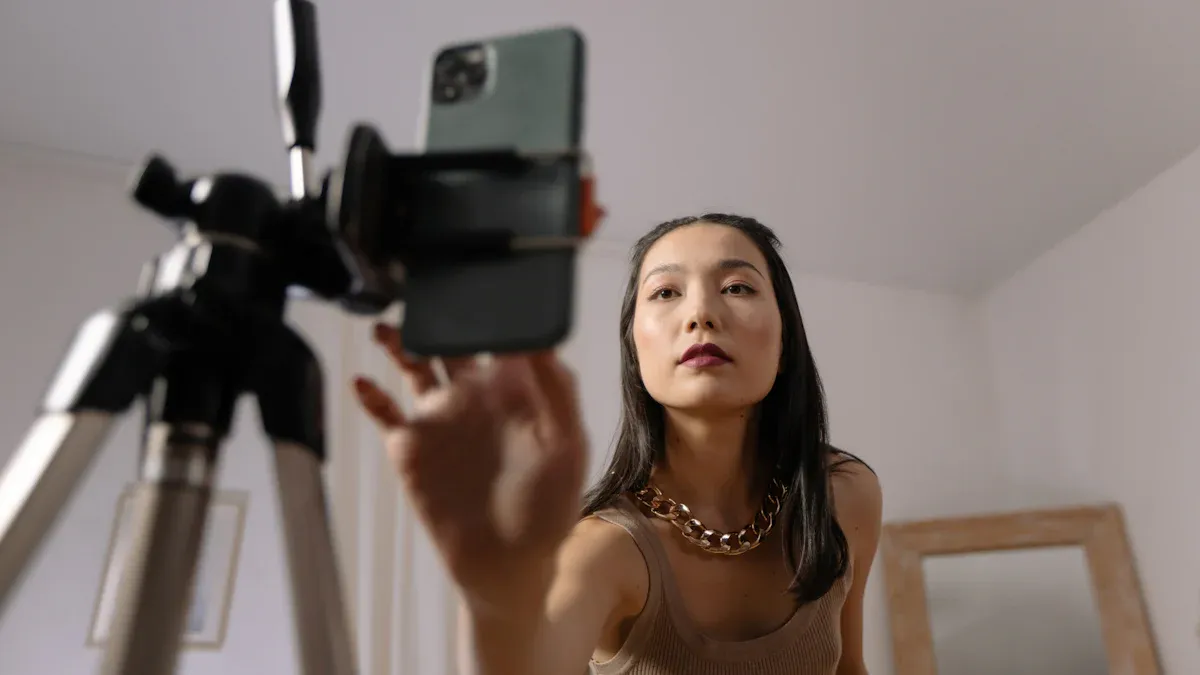
TikTok democratized video production. Before TikTok, high-quality video required expensive equipment. TikTok provided powerful in-app editing tools, filters, and a music library, allowing anyone with a smartphone to become a creator.
From 15 Seconds to 10 Minutes
Interestingly, while TikTok popularized short-form video, it is now encroaching on YouTube's territory. The platform has increased maximum video lengths to 10 minutes (and even longer for some users). This pivot aims to capture the long-form content market, encouraging creators to post vlogs, tutorials, and episodic content that increases ad revenue potential.
Data Privacy Concerns and Political Implications
TikTok’s connection to its Chinese parent company, ByteDance, has made it a focal point of geopolitical tension.
The "Ban" Legislation
In April 2024, the US government passed legislation requiring ByteDance to divest (sell) TikTok's US operations or face a nationwide ban. Lawmakers cite national security risks, fearing that user data could be accessed by the Chinese government.
The Core Issue: The FBI and FCC have repeatedly warned that the app could be used for surveillance or influence operations. TikTok denies these claims, stating they have spent $1.5 billion on "Project Texas" to isolate US user data on American servers run by Oracle.
TikTok's Response
TikTok has sued to block the legislation, arguing it violates First Amendment rights. As of 2025, the platform remains operational in the US while the legal battles play out in federal court. This uncertainty is a significant factor for brands and creators investing heavily in the platform.
TikTok's Current Position and Future Prospects
Despite legal headwinds, TikTok shows no signs of slowing down. It has become a primary search engine for Gen Z, with nearly 40% of young users preferring TikTok over Google for local searches like "best lunch spot."
Future Growth Areas
- Social Commerce: TikTok Shop aims to quadruple its merchandise volume, targeting $50 billion in sales.
- Search and SEO: The platform is optimizing for search, encouraging creators to use SEO keywords in captions.
- Augmented Reality (AR): Continued investment in AR filters and AI tools to keep content creation fresh.
TikTok has fundamentally altered the digital landscape. It forced the world to think vertically (9:16 aspect ratio) and proved that algorithmic recommendation is superior to the social graph. While its political future remains in flux, its cultural impact is undeniable. For marketers, TikTok is no longer an experimental channel—it is a critical pillar of modern brand strategy.
FAQ
What is TikTok's main competitive advantage?
TikTok's primary advantage is its "Interest Graph" algorithm. Unlike Facebook or Instagram, which rely on social connections, TikTok serves content based on user behavior and interest. This allows new creators to go viral without an existing following and keeps users engaged for longer periods by showing them hyper-relevant content.
Is TikTok actually getting banned in the US?
As of early 2025, a law has been passed requiring ByteDance to sell TikTok or face a ban. However, TikTok is challenging this in court. The outcome is pending, but the platform remains fully operational for users and advertisers while the legal process concludes.
How does TikTok Shop work for brands?
TikTok Shop allows brands to sell directly through the app via shoppable videos, LIVE streams, and a product showcase tab. It creates a seamless checkout experience where users can buy products without leaving the app, significantly reducing friction and increasing conversion rates for e-commerce brands.
Is TikTok safe for corporate marketing?
Yes, most major global brands (from Nike to Duolingo) market on TikTok. However, due to data privacy concerns, some government agencies and corporations restrict the app on employee devices. Brands should monitor the regulatory landscape but continue to leverage the platform's massive reach for consumer engagement.
What content performs best on TikTok in 2025?
Authenticity wins. Lo-fi, user-generated style content (UGC) tends to outperform polished, high-production commercials. Educational content, behind-the-scenes footage, and participation in trending audio challenges are consistent drivers of high engagement. Additionally, SEO-optimized captions are now crucial for discoverability.