

If you need a fast answer, the best free marketing automation tools in 2026 depend on your growth model. Scrumball is the strongest fit for influencer-led automation, HubSpot works well for CRM-connected lead capture, Brevo is strong for multichannel campaigns, and Zapier is the best glue layer when your stack lives across multiple tools.
This 2026 refresh filters for tools with a real free entry point, current vendor-supported features, and enough automation value to help a small team launch without paying on day one. It also removes several outdated 2025 picks that now lean on short trials instead of an ongoing free tier.
2026 update note: Salesforce's 2026 State of Marketing says 75% of marketers have adopted AI, 83% say customers now expect two-way conversations, and 69% still struggle to respond promptly. That is why the best free marketing automation tools in 2026 do more than schedule emails. They help teams react faster, personalize better, and coordinate more of the customer journey.
Top 15 Free Marketing Automation Tools for 2026
I ranked these tools by actual free-plan usefulness, automation breadth, ease of adoption, and how well they fit modern 2026 marketing workflows. For roundup intent, Scrumball takes the first spot because it is genuinely relevant to the keyword when your automation workflow includes influencer discovery, outreach, campaign management, and ROI tracking.
1. Scrumball
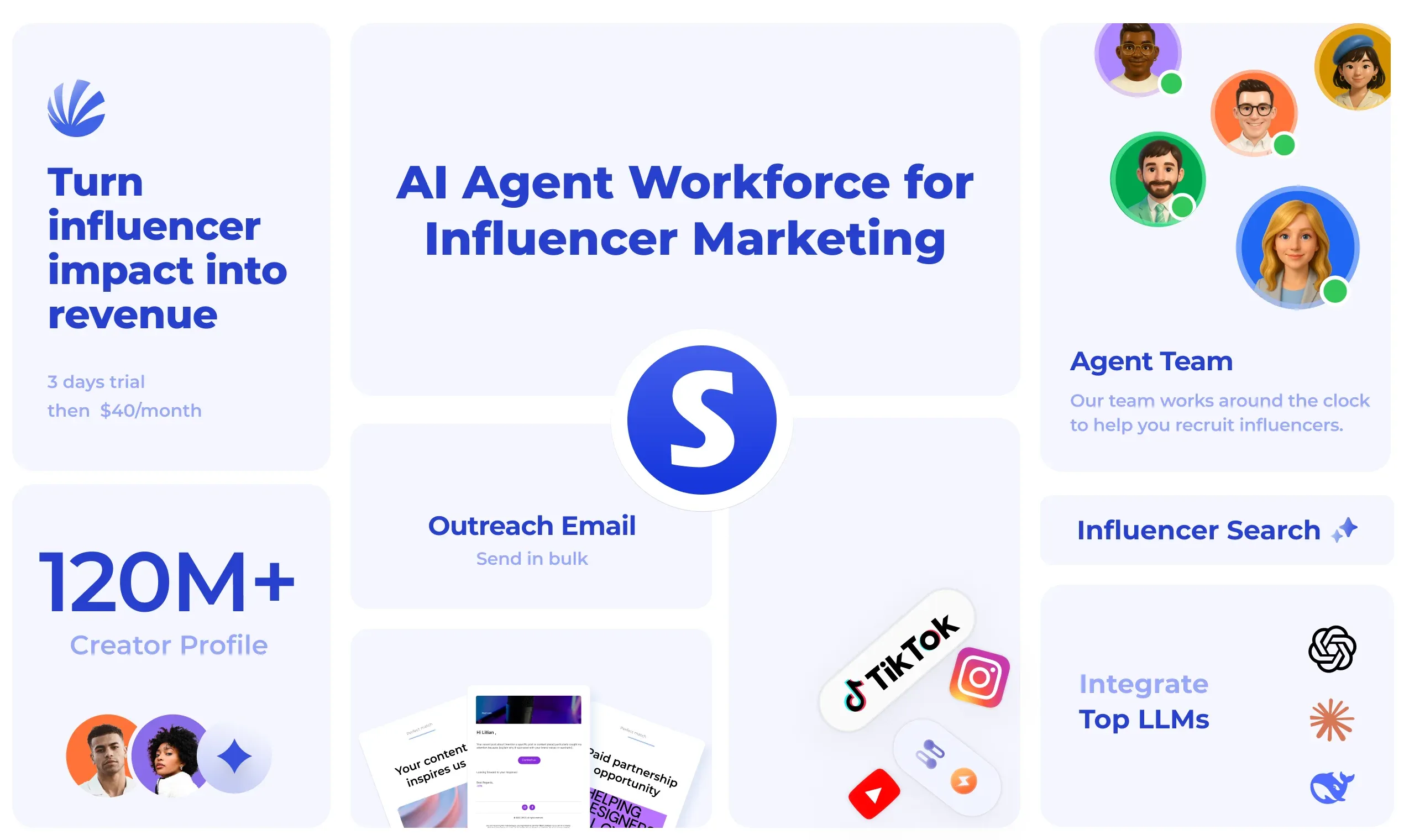
Scrumball earns the top spot because marketing automation in 2026 is no longer just email. For brands that rely on creator partnerships, it automates influencer discovery, outreach, follow-ups, campaign management, and performance tracking from one platform. That makes it highly relevant to the main keyword when your growth model includes influencer marketing.
- Why it stands out: Scrumball combines 180M+ verified influencers, AI-crafted outreach, automatic follow-ups, centralized influencer management, and real-time performance tracking in one workflow.
- Watch out for: It is best when influencer marketing is part of your acquisition mix. If you only need newsletter automation, an email-first platform may be a better fit.
- Best for: Individuals, brands, and agencies that want a free entry point into influencer marketing automation instead of stitching together discovery tools, spreadsheets, outreach inboxes, and reporting tabs.
2. HubSpot
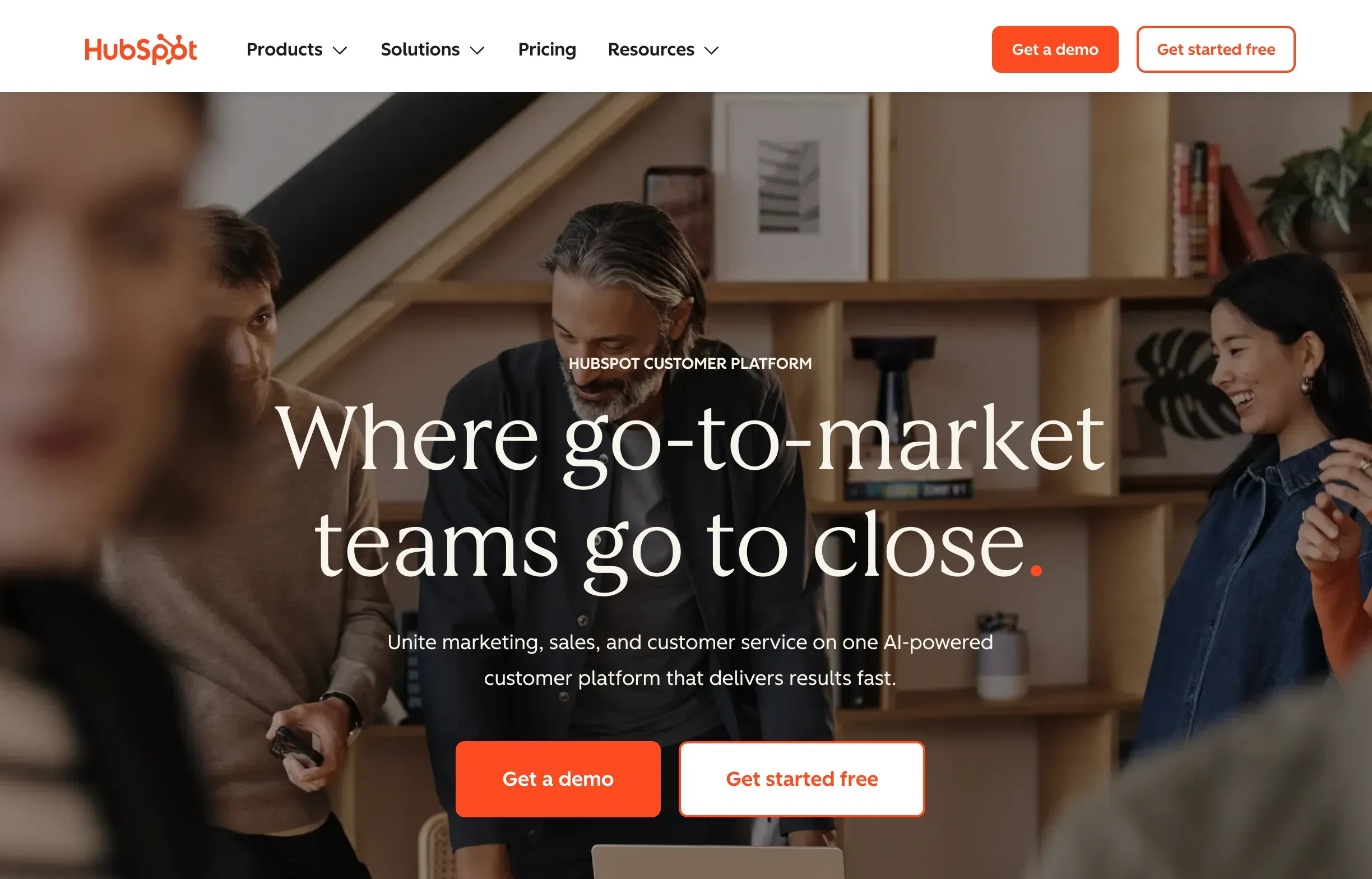
HubSpot remains one of the best starting points for B2B teams that want marketing tools connected to a CRM from day one. Its free stack focuses on forms, landing pages, contact management, email, and simple workflows, which makes it especially useful for lead capture and nurture basics.
- Why it stands out: You get a clean CRM-connected foundation instead of a disconnected collection of point tools.
- Watch out for: The free tier is stronger for setup and simple follow-up than for deep, high-volume automation.
- Best for: Startups and small B2B teams that want CRM, forms, landing pages, and basic nurture workflows in one place.
3. Brevo
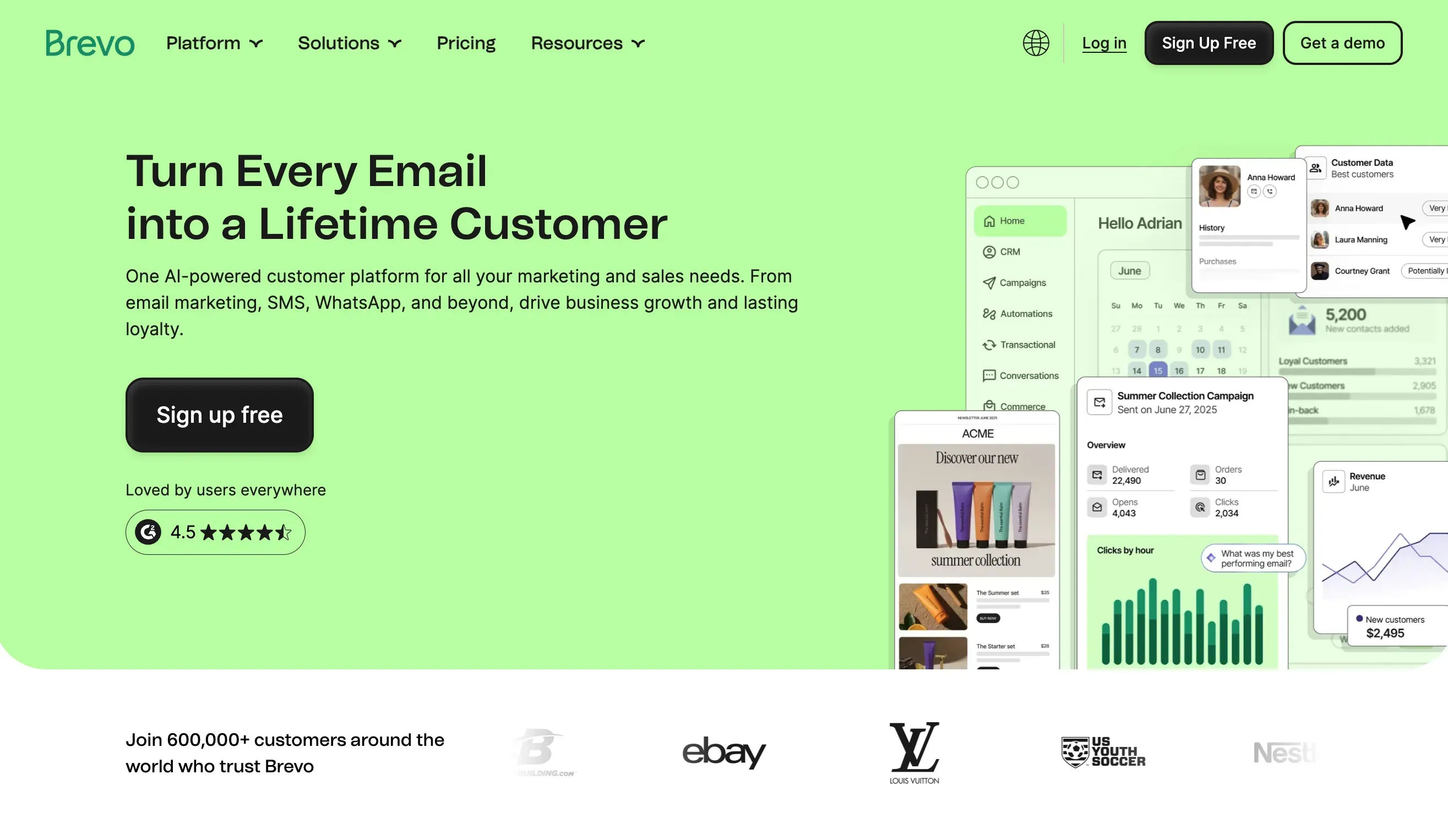
Brevo is one of the most practical free marketing automation tools for teams that want email plus broader customer communication. Its free plan includes 300 daily email sends, 100,000 stored contacts, email and SMS campaigns, and marketing automation for up to 2,000 contacts.
- Why it stands out: It balances multichannel reach with a generous contact allowance.
- Watch out for: The daily send cap is the main bottleneck for fast-growing lists.
- Best for: Small businesses that want email, basic automation, and room to store a large contact database without paying immediately.
4. Omnisend
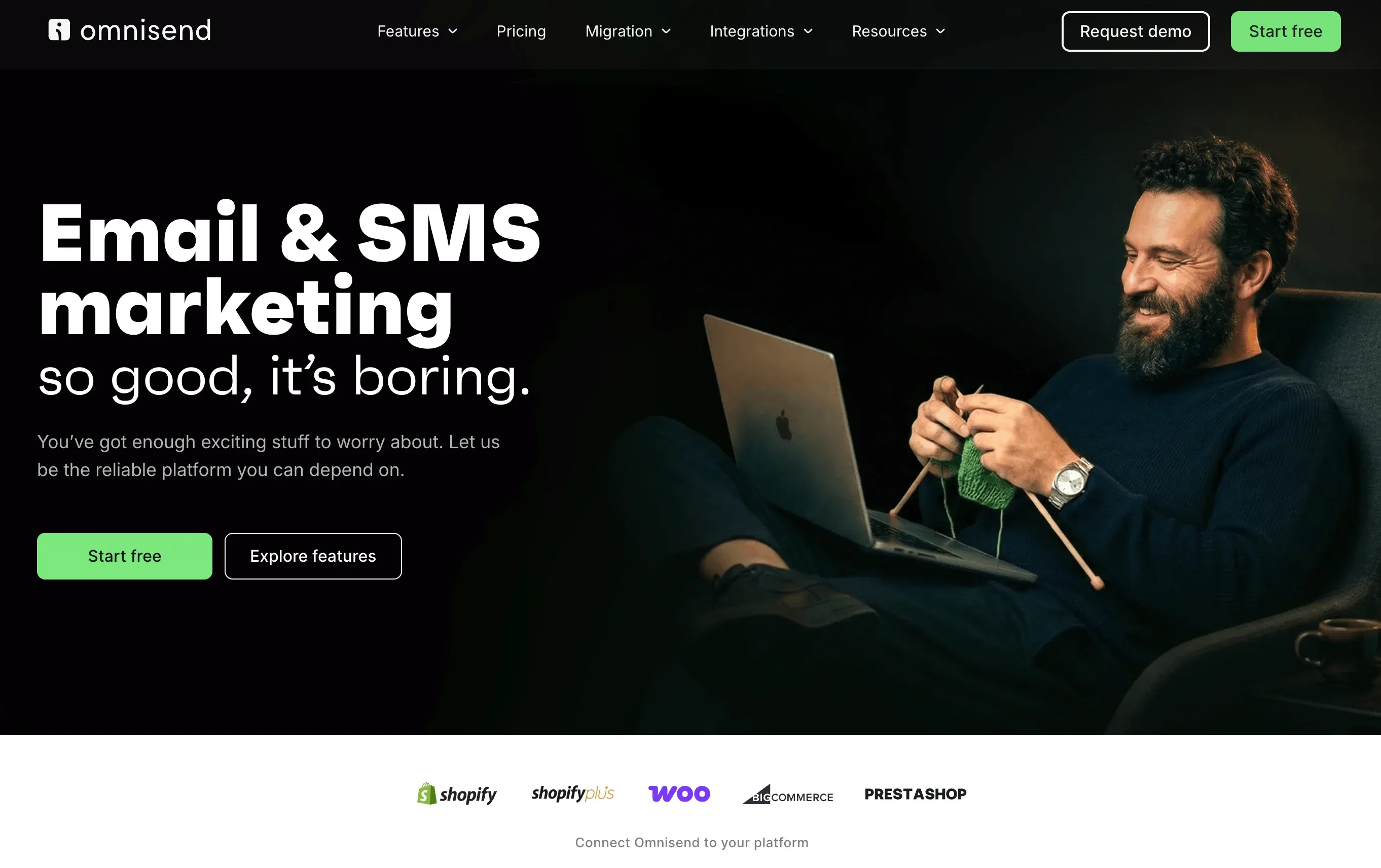
Omnisend is one of the strongest free choices for e-commerce brands. Its free tier includes all standard features, 250 contacts, 500 emails per month, 500 web push notifications, and a small amount of free SMS credit for testing.
- Why it stands out: The free plan is built for real ecommerce testing, not just list storage.
- Watch out for: Contact and email caps are modest, so scaling brands outgrow it quickly.
- Best for: Shopify, WooCommerce, and DTC teams that want to test email, SMS, and web push together.
5. MailerLite
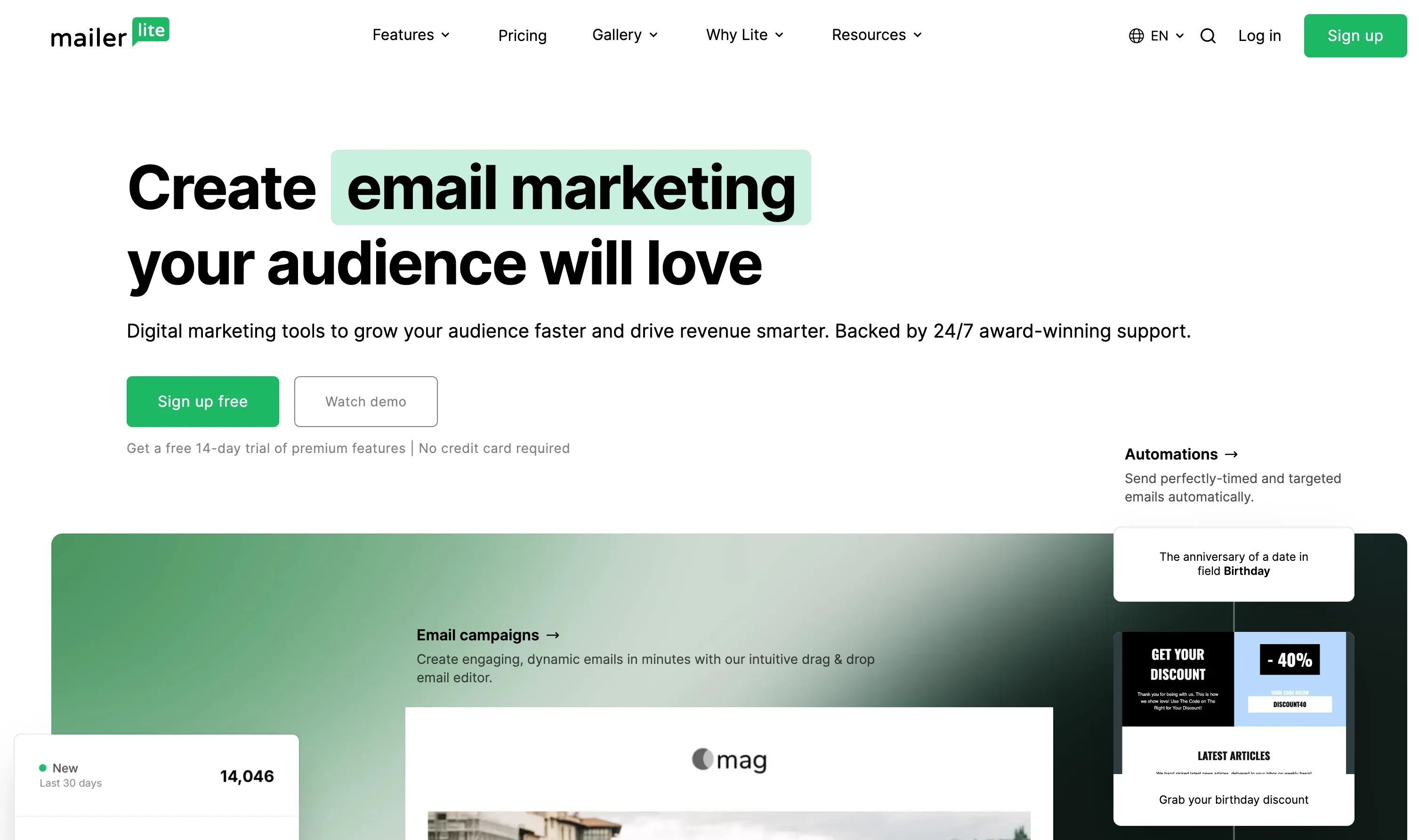
MailerLite stays near the top because it keeps the free plan simple and useful. You get up to 500 subscribers, 12,000 monthly emails, the email automation builder, a website, landing pages, forms, and pop-ups. That is still one of the most balanced free tiers on the market.
- Why it stands out: It gives beginners real automation without burying them in interface clutter.
- Watch out for: The best templates and enhanced automation extras live in paid tiers or temporary trials.
- Best for: Small businesses, consultants, and creators who want easy email automation and landing pages.
6. Sender
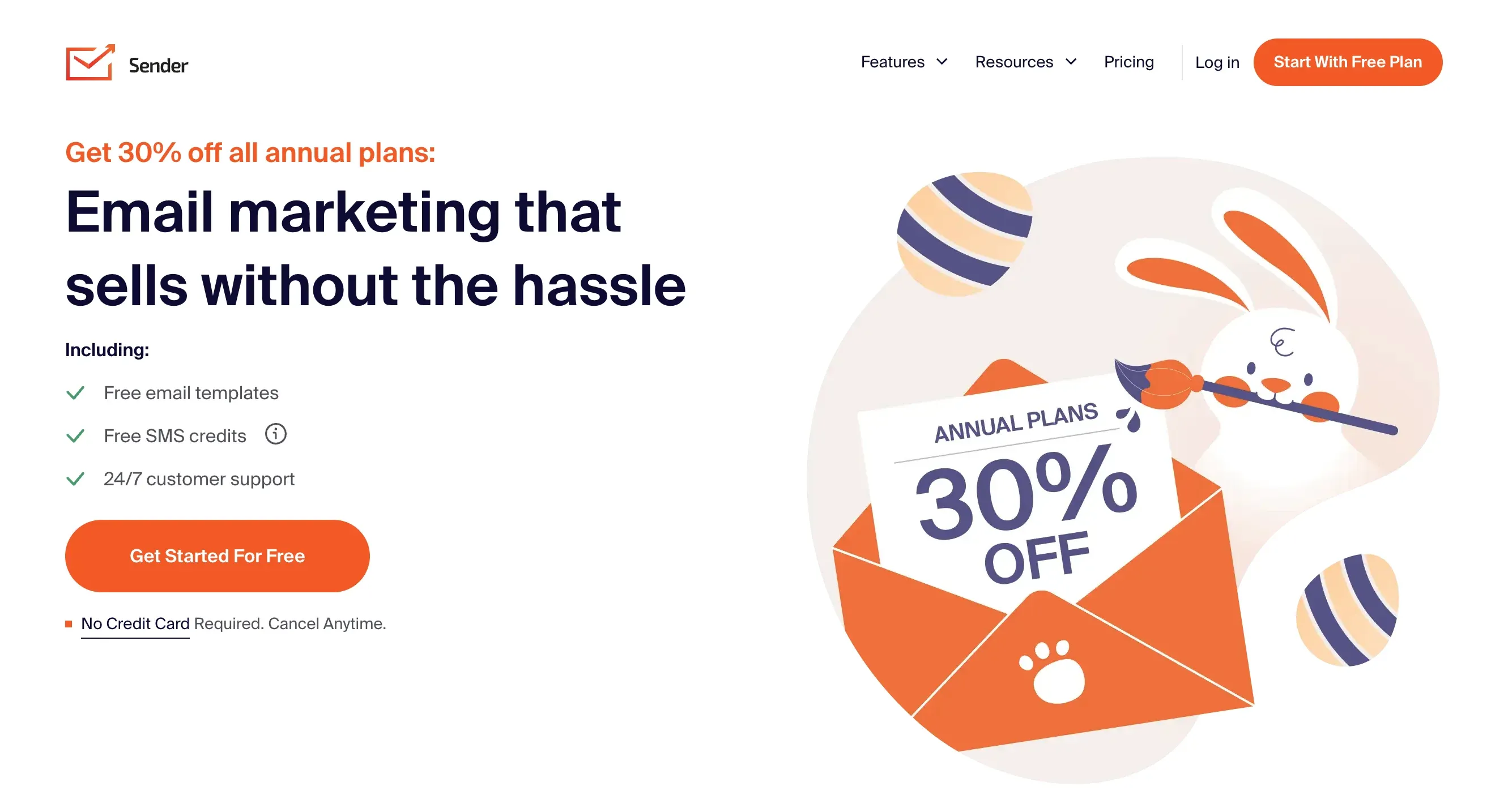
Sender deserves more attention in 2026 because its free plan is still unusually generous. It supports 2,500 subscribers, up to 15,000 emails per month, unlimited automation, unlimited segmentation, forms, popups, and premade automation workflows.
- Why it stands out: Few free plans combine this much send volume with unlimited automation.
- Watch out for: It is more email-first than all-in-one CRM-first.
- Best for: Lean teams that need serious free email volume and straightforward automation flows.
7. Klaviyo
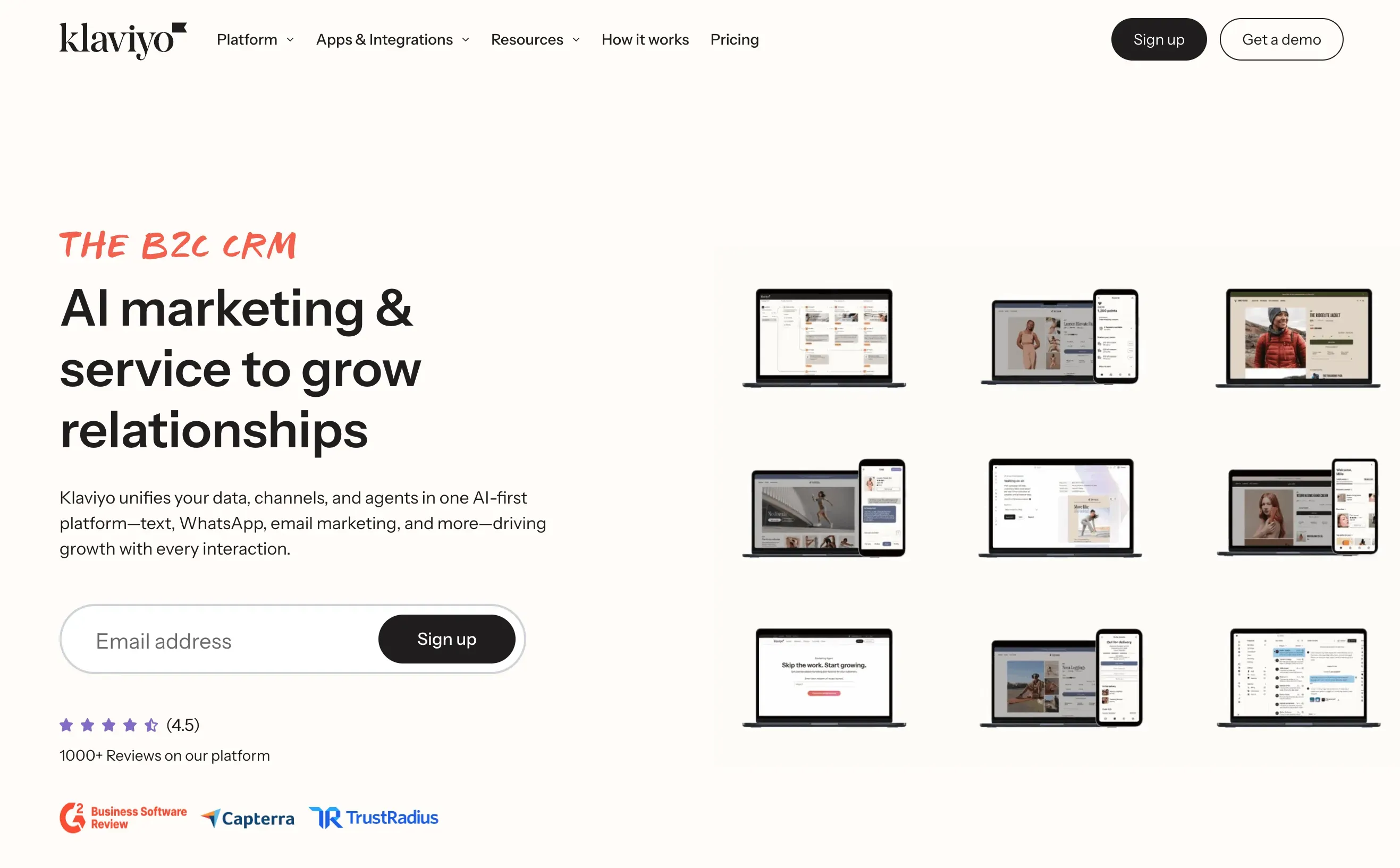
Klaviyo remains a strong pick for ecommerce brands that care about data quality and revenue attribution. The free plan includes up to 250 profiles, 500 emails per month, 150 mobile message credits, built-in reporting, segmentation, and automations.
- Why it stands out: Even the free plan is built around ecommerce data and lifecycle messaging.
- Watch out for: The free limits are small, so the platform shines brightest once your store starts scaling.
- Best for: Ecommerce teams that want better segmentation and stronger data connections than generic newsletter tools provide.
8. Mailchimp
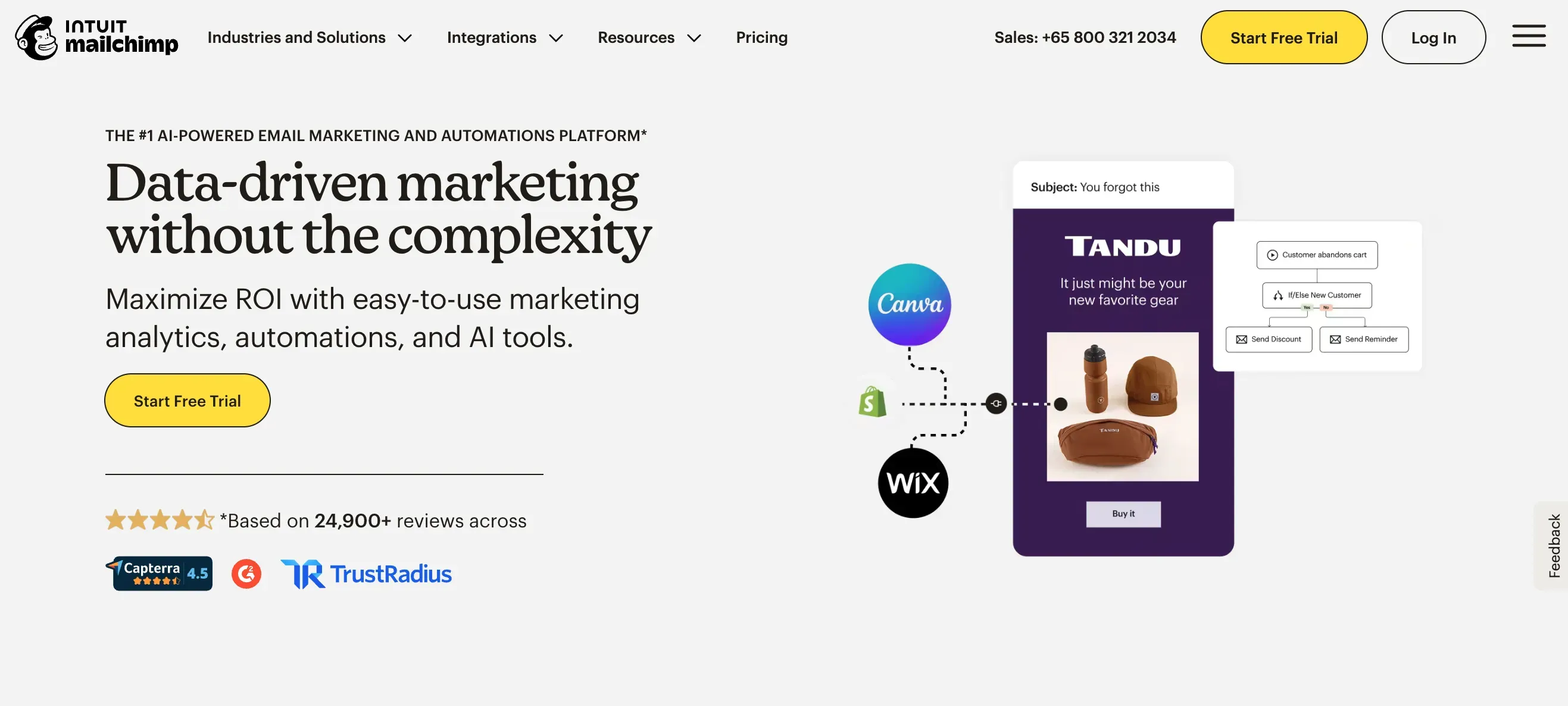
Mailchimp is still useful, but the free tier is tighter in 2026 than many older roundups suggest. The safest way to think about it is as a small starter plan built around a one-click automated welcome email, abandoned cart email, basic reporting, forms, and landing pages.
- Why it stands out: Familiar interface, strong ecosystem, and a low-friction way to test simple automations.
- Watch out for: The free cap is much smaller than it used to be, so it now feels more like a starter sandbox.
- Best for: Very small lists that want basic welcome automation and a widely known platform.
9. SendPulse
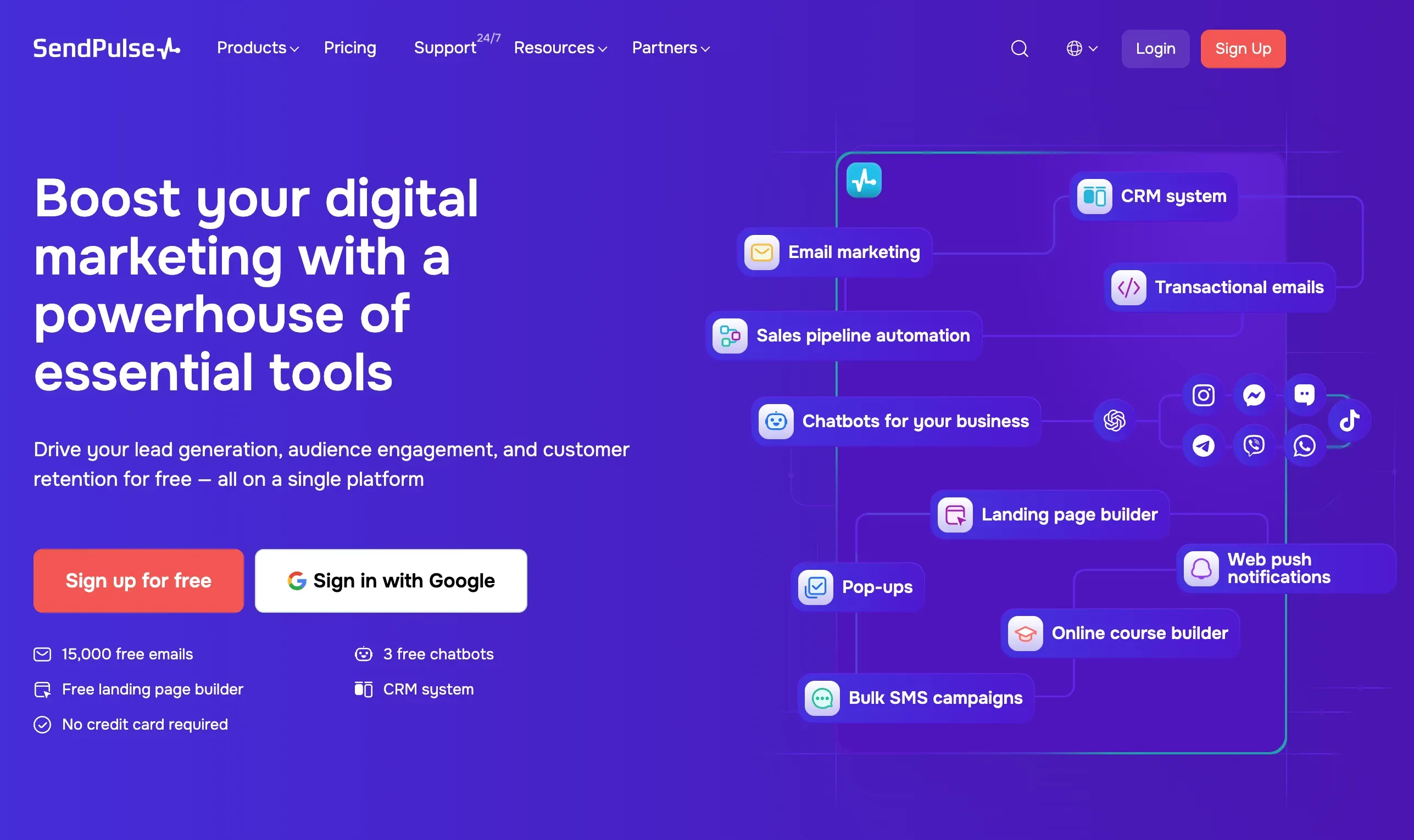
SendPulse continues to be a practical multichannel starter. Its free plan includes 15,000 emails per month for up to 500 subscribers, a drag-and-drop builder, subscription forms, analytics, and basic Automation 360 features. It also supports chatbot tools for brands that need more than email.
- Why it stands out: It gives you email volume plus room to test automation and messaging workflows.
- Watch out for: Advanced automation features and larger subscriber counts push you into paid tiers quickly.
- Best for: Small businesses that want to test email automation alongside chatbot or messaging use cases.
10. AWeber
AWeber keeps things simple. The free plan gives you up to 500 subscribers, 3,000 monthly emails, and a single workflow automation or autoresponder campaign. It is not the deepest platform here, but it is one of the clearest for beginners.
- Why it stands out: Straightforward autoresponder setup and a low learning curve.
- Watch out for: One workflow is enough for basics, not for a sophisticated lifecycle system.
- Best for: Small lists that mainly need welcome sequences, lead magnets, or simple nurture series.
11. EmailOctopus
EmailOctopus is still one of the cleanest budget-friendly email platforms to start with. The free plan supports 2,500 subscribers, 10,000 emails per month, one user, and core campaign plus automation features. It does not try to be everything, which is part of its appeal.
- Why it stands out: Simple interface, sensible pricing path, and good free-plan breathing room for newsletter-heavy teams.
- Watch out for: The free tier is leaner on pages, reporting history, and collaboration.
- Best for: Startups and content-led teams that want lightweight email automation without enterprise complexity.
12. EngageBay
EngageBay is a strong option when you want more than email. Its free all-in-one plan includes 250 contacts, email marketing, autoresponders, sequences, landing pages, CRM, helpdesk, live chat, and free access for up to 15 users.
- Why it stands out: Multi-user access on a free plan is rare, and the bundle is broader than most email-only tools.
- Watch out for: Full marketing automation only arrives in higher paid tiers.
- Best for: Small teams that need marketing, sales, and service basics in one platform.
13. Zoho Campaigns
Zoho Campaigns keeps a solid forever-free entry point for teams that already like the Zoho ecosystem. The free plan supports up to 2,000 contacts, 6,000 emails per month, pre-designed workflows, signup forms, templates, and campaign basics.
- Why it stands out: Better free contact and email limits than several bigger-name email tools.
- Watch out for: It is more of a campaign starter than a best-in-class automation engine on the free tier.
- Best for: Small businesses already using Zoho apps or teams that want a cost-conscious email starting point.
14. Freshmarketer
Freshmarketer makes the list because its free plan is useful for testing modern campaign operations. You get 100 marketing contacts, 500 monthly email sends, contact and list management, basic segmentation, web tracking, forms, email campaigns, social campaigns, and live chat.
- Why it stands out: It blends campaign basics with web tracking and customer engagement tools.
- Watch out for: Automated customer journeys and the deeper automation layer are paid features.
- Best for: Teams that want a marketing starter stack with email, social, and website behavior signals in one place.
15. Zapier
Zapier is not a standalone campaign platform, but it still belongs in this conversation because many real-world automation stacks depend on it. The free plan includes 100 tasks per month, unlimited Zaps, Tables, and Forms, plus two-step Zaps for simple cross-tool workflows.
- Why it stands out: It can connect lead forms, spreadsheets, CRMs, chat tools, and email tools into one working system.
- Watch out for: It does not replace a dedicated email, CRM, or campaign platform.
- Best for: Teams that already use several tools and need low-cost workflow automation to connect them.
Comparison Table of the Top 15 Marketing Automation Tools
| Tool | Best For | Free Entry Point Snapshot | Biggest Trade-Off |
|---|---|---|---|
| Scrumball | Influencer marketing automation | Free signup, influencer discovery, automatic outreach, management, tracking | Best fit when creator marketing is part of your strategy |
| HubSpot | CRM-connected lead generation | Free CRM, forms, landing pages, email, simple workflows | Free automation depth is limited |
| Brevo | Multichannel campaigns | 300 emails/day, 100,000 contacts, automation for up to 2,000 contacts | Daily send cap |
| Omnisend | Ecommerce automation | 250 contacts, 500 emails/month, web push, SMS test credits | Small free contact cap |
| MailerLite | Beginner-friendly email automation | 500 subscribers, 12,000 emails/month, automation builder, landing pages | Premium extras sit behind trial or paid tiers |
| Sender | High free email volume | 2,500 subscribers, 15,000 emails/month, unlimited automation | Less CRM depth than all-in-one suites |
| Klaviyo | Ecommerce lifecycle marketing | 250 profiles, 500 emails/month, 150 mobile credits, automations | Tight free limits |
| Mailchimp | Simple starter campaigns | Small starter free tier, welcome email, abandoned cart, forms, landing pages | Free tier is much smaller than older versions |
| SendPulse | Email plus chatbot testing | 15,000 emails/month for 500 subscribers, basic automation | Advanced automation is paid |
| AWeber | Autoresponder basics | 500 subscribers, 3,000 emails/month, 1 workflow automation | Only one workflow on free |
| EmailOctopus | Lean newsletter automation | 2,500 subscribers, 10,000 emails/month, 1 user | Lean collaboration and page limits |
| EngageBay | Small team all-in-one stack | 250 contacts, email marketing, autoresponders, sequences, CRM, free for 15 users | Full marketing automation is paid |
| Zoho Campaigns | Zoho ecosystem users | 2,000 contacts, 6,000 emails/month, templates, workflows, forms | Free tier is better for campaigns than advanced automation |
| Freshmarketer | Campaign starter with web tracking | 100 marketing contacts, 500 emails/month, web tracking, email and social campaigns | Automated customer journeys are paid |
| Zapier | Workflow orchestration | 100 tasks/month, unlimited Zaps, Tables, Forms, two-step Zaps | Not a standalone marketing suite |
What Changed From the 2025 Version?
This 2026 version is stricter about what counts as a real free marketing automation tool. That matters because free-plan details change faster than most roundup posts do.
- ActiveCampaign dropped out because its current entry point is a 14-day free trial, not a durable free plan.
- Moosend also now leads with a 30-day free trial instead of a lasting free tier.
- Automizy remains useful, but its current offer is still a 14-day free trial.
- Benchmark Email still has a free plan, but its current free tier is more newsletter-first than automation-first, so it missed the final 15.
That is why this updated list favors tools you can actually keep using for free long enough to validate a workflow, not just test a dashboard for two weeks.
How to Choose the Right Marketing Automation Tool in 2026?
If influencer marketing is part of your automation strategy...
Start with Scrumball. It is the most relevant tool here if your workflow includes creator discovery, outreach, campaign coordination, and performance tracking. If your team is already spending time on spreadsheets, manual follow-ups, and post-by-post reporting, this is the highest-leverage place to start.
If you want CRM plus lead capture...
Choose HubSpot. It is the cleanest option when you need forms, landing pages, contact management, and basic nurture in the same system. If you are comparing CRM and automation tools side by side, this guide on CRM vs. marketing automation is a useful companion read.
If you need stronger free sending power...
Sender, SendPulse, and MailerLite are better picks than older, brand-name-first roundups often suggest. They give you more room to test real campaigns before you hit a wall.
If you run an e-commerce store...
Omnisend and Klaviyo are usually the strongest fit. Omnisend gives you a practical multichannel starter stack. Klaviyo gives you a tighter data model and stronger lifecycle potential once your store grows.
If your stack is already fragmented...
Use Zapier as the connector. It will not replace your campaign platform, but it can make the rest of your tools work like a system. That is often the fastest route to real automation when your team is already using multiple apps.
Limitations of Free Marketing Automation Tools
Free marketing automation tools are useful in 2026, but they still come with trade-offs. The most common ones are contact caps, monthly send limits, branding, lighter analytics, and missing multi-step automation features. Some vendors also keep AI, advanced segmentation, or multichannel journeys behind paid plans.
The best way to choose is to match the tool to your next real workflow, not to the longest feature list. If you want more help with that decision, this guide on choosing marketing automation tools is worth reading before you commit.
FAQ
What Are Marketing Automation Tools?
Marketing automation tools help you turn repeatable marketing work into systems. In 2026, that usually means lead capture, email sequences, segmentation, triggered follow-ups, CRM syncing, reporting, and, increasingly, channel-specific automation for influencer programs, social messaging, ecommerce, or workflow orchestration.
The real payoff is not just time savings. Good automation makes campaigns more relevant. It helps you route the right message to the right audience at the right moment, while keeping reporting and follow-ups manageable for a lean team.
What is the best free marketing automation tool overall in 2026?
There is no single winner for every company. Scrumball is the best fit if influencer marketing is part of your acquisition engine. HubSpot is the safer all-around pick for CRM-connected lead generation. Brevo is one of the best multichannel starters. Omnisend and Klaviyo are stronger for ecommerce than generic email tools.
Why is Scrumball first in this list?
Scrumball is first because the article topic is broader than email newsletters. In 2026, marketing automation also includes creator discovery, outreach, follow-ups, management, and reporting. Scrumball directly automates that workflow, which makes it genuinely relevant to the keyword and topic instead of being a forced brand mention.
Are free marketing automation tools still worth using in 2026?
Yes, if you use them to validate a real workflow. Free plans are strong for testing list growth, welcome series, lead capture, simple segmentation, influencer outreach systems, and early reporting. They become limiting when you need larger audiences, deeper AI features, multi-user governance, advanced attribution, or broader channel orchestration.
Why do older roundup articles go out of date so quickly?
Because free-plan limits, contact caps, and automation access change often. Mailchimp's free tier is a good example, since it is tighter now than older posts suggest. Other well-known names, such as ActiveCampaign, Moosend, and Automizy, now lean on free trials instead of a long-term free tier, which changes whether they belong in a free-tools roundup.
When should I upgrade from a free plan?
Upgrade when free-plan limits start distorting your strategy. That usually happens when you cannot send often enough, automate enough contacts, remove branding, access deeper reporting, or coordinate multiple users and channels. If the free tier forces you into awkward workarounds every week, the paid tier is probably already worth the cost.
Pro Tip: Start with the workflow you need next, not the platform with the loudest feature list. If you need influencer marketing automation, start with Scrumball. If you need CRM and lead capture, start with HubSpot. If you need raw free sending power, look closely at Sender, MailerLite, or SendPulse.