
Influencer trips still matter in 2026, but the old playbook is tired. The brands winning with influencer trips now treat them as creator-led content systems, not luxury getaways with a hashtag.
A well-planned trip gives creators a real experience to document in the moment. That matters because audiences are quick to ignore static ads, but they still respond to lived stories, useful recommendations, and content that feels native to the creator's world.
The business case is also more measurable than it used to be. With influencer marketing ROI tracking, brands can connect creator posts to reach, traffic, conversions, content reuse, paid amplification, and long-tail brand lift.
The goal is not to buy a few pretty posts. It is to build a content engine that can fuel social, paid media, email, product pages, and community touchpoints for months after the trip ends.
What Are Influencer Trips?
Influencer trips are hosted brand experiences where creators travel to a location, event, retreat, or product moment and produce content around what they actually do there.
They sit at the intersection of experiential influencer marketing and creator-led content production. Unlike a studio shoot, an influencer brand trip gives the product context, movement, people, reactions, and a setting that the audience can imagine themselves inside.
Definition and Strategic Purpose
An influencer trip usually brings one or more creators into a brand environment. The brand may be launching a product, opening a destination, entering a new market, or building cultural relevance around a lifestyle.
The strategic purpose is simple: generate credible content faster than a traditional production cycle, while deepening the relationship between brand and creator.
That is why modern teams evaluate trips as content investments. Influencer Marketing Hub's 2026 influencer marketing benchmark report points to rising budgets, short payback expectations, creator tier shifts, and heavier pressure on measurement.
Types of Influencer Activations
The right format depends on your goal. Some trips are built for one creator's deep storytelling. Others are built for community energy, cross-posting, and a larger burst of attention.
1. The Hero Individual Trip
This format centers on one high-fit creator. It works when the brand needs a focused story, a premium feel, or a very specific audience match.
Luxury, travel, wellness, tech, and hospitality brands often use this approach when the creator's point of view is as important as their reach. The trip can be highly personalized, which usually leads to more detailed, distinctive content.
2. The Community Squad Trip
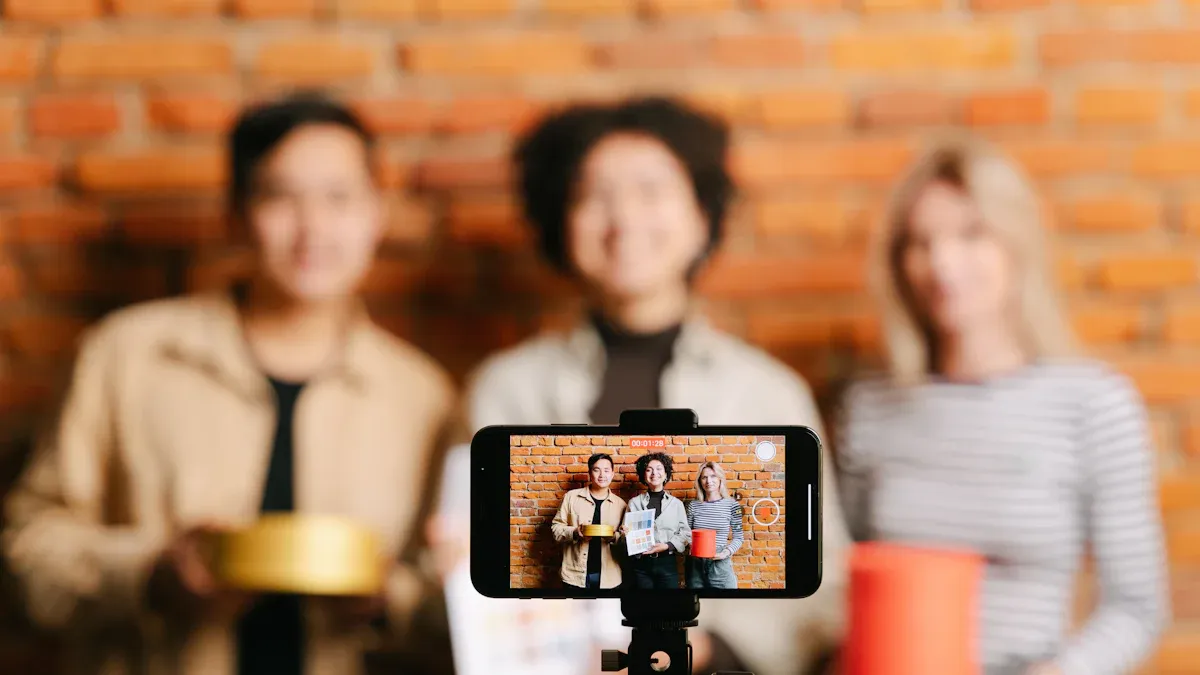
This format brings 5 to 10 creators together. The upside is cross-pollination: creators appear in each other's posts, audiences discover new voices, and the brand story feels bigger than one sponsored placement.
Beauty and fashion brands such as Revolve and Tarte helped popularize this community model. The stronger version in 2026 is less about spectacle and more about chemistry, shared values, and audience overlap.
Influencer travel campaigns as a 2026 strategy work best when real experiences connect directly to products, destinations, or services people can actually buy.
Why Influencer Trips Still Drive Brand Growth in 2026?

Influencer trips still drive growth because they combine three things most paid ads struggle to deliver at once: trust, context, and reusable content.
That combination is especially valuable now. Sprout Social's research on social search and purchase behavior found that 76% of consumers bought something in the prior six months because of content they saw on social media.
1. Content Production at Scale
A 3-day trip with 10 creators can produce hundreds of photos, short videos, Stories, behind-the-scenes clips, testimonials, and raw footage. That output often costs less than commissioning a full lifestyle production shoot with models, locations, crew, and post-production.
The bigger win is reuse. A strong trip can feed paid ads, landing pages, product detail pages, email flows, launch recaps, retail decks, and seasonal campaign assets for an entire quarter.
2. Authentic Product Integration
Trips make product placement feel natural when the itinerary is designed around use cases. Sunscreen belongs at the beach. Activewear belongs on a hike. A travel-friendly tech accessory belongs in an airport, hotel lobby, or remote-work setup.
That context helps the endorsement feel closer to a recommendation than an interruption. The product is not floating in a studio. It is solving a visible problem inside a believable moment.
3. Stronger Creator Relationships
Email threads are transactional. Shared experiences can become relational, especially when creators meet the team, understand the brand story, and feel trusted to contribute ideas.
That matters in 2026 because creator partnerships are becoming more strategic. Vogue's reporting on the 2026 creator partnership shift shows brands moving beyond one-off pay-to-post deals toward deeper relationships and creator counsel.
4. Measurable ROI and Paid Media Lift
Influencer trips are not only for awareness. With unique discount codes, tracked affiliate links, UTMs, dedicated landing pages, and post-purchase surveys, brands can connect trip content to revenue and assisted conversions.
The best content can also be amplified through influencer whitelisting and allowlisting. That extends the life of creator posts and gives paid teams more native-looking creative to test against brand-handle ads.
How Influencer Trips Have Changed in 2026
The influencer trip has matured. In the early days, many campaigns leaned on luxury for luxury's sake. In 2026, the better trips are built around values, community, creator fit, content rights, and measurement.
There is also more skepticism. Audiences can spot an over-produced and promotion-led trip quickly, and creators are more aware of the cost of their time, likeness, audience trust, and content usage.
From Exclusive to Inclusive
Modern influencer brand trips often mix macro creators, micro-creators, niche experts, customers, and community voices. This makes the experience feel less elitist and more connected to the people the brand actually wants to serve.
Later's 2026 influencer marketing trends describe a shift toward micro-communities, long-term creator partnerships, creator-led ads, better measurement, and compliance as a competitive advantage.
The Dominance of Short-Form Video
TikTok, Instagram Reels, YouTube Shorts, and vertical paid placements have changed how trips are planned. The itinerary is now part experience, part storyboard.
That does not mean every moment should be scripted. It means the brand should plan visual anchors: a reveal, a product ritual, a founder conversation, a creator challenge, a location moment, and quiet pockets where creators can capture their own version.
Trip Fatigue Is Real
One of the biggest 2026 risks is sameness. When every brand trip has the same villa, welcome basket, dinner table, and sunset shot, the format starts to look like an ad template.
The fix is specificity. Invite fewer creators with a stronger fit. Build around a real product reason. Pay for the work. Make the location meaningful. Give creators enough freedom to sound like themselves.
Disclosure and Trust Matter More Than Ever
Sponsored trips need clear disclosure. The FTC's FTC guidance on sponsored trip disclosures says disclosures should appear in each ad when required, and platform tools alone may not be enough.
Build disclosure into the brief, the itinerary, and approvals. That protects the brand, protects the creator, and respects the audience's right to understand the relationship.
How to Plan a High-ROI Influencer Trip (For Brands & Marketers)
A high-ROI influencer trip starts before anyone books a flight. The planning work determines whether the trip becomes a useful content system or a costly weekend with scattered posts.
Step 1: Define the Business Objective
Do not start with the destination. Start with the business problem. Are you launching a product, repositioning the brand, entering a new demographic, building social proof, or creating paid media assets?
Your goal decides the guest list, itinerary, platform mix, budget, and measurement plan. For awareness, prioritize audience fit and reach quality. For sales, prioritize trust, engagement depth, affiliate readiness, and conversion tracking.
Step 2: Curate the Right Creator Mix
Chemistry matters. Use Scrumball's influencer discovery feature to analyze creator profiles, audience demographics, engagement quality, niche fit, and campaign history before invitations go out.
Do not choose creators by follower count alone. Look for comment quality, save behavior, audience location, brand safety, content consistency, and whether the creator already talks credibly about your category.
Step 3: Design Content Playgrounds
Build the environment for the camera without making it feel staged. Good lighting, subtle branding, visual activities, product access, and flexible time blocks make content easier to capture.
Give creators creative freedom, but provide a useful shot list. Include product features, key claims, content deadlines, disclosure language, required links, usage rights, and any do-not-say guidance.
Step 4: Lock Contracts, Rights, and Logistics
Contracts should spell out deliverables, posting windows, draft review rules, payment terms, usage rights, whitelisting permissions, exclusivity, travel coverage, cancellation terms, and crisis procedures.
Logistics need the same discipline. Have insurance, backup activities for weather, dietary notes, transport plans, emergency contacts, a creator liaison, and a simple way to collect assets after each day.
Step 5: Measure, Reuse, and Amplify
Track everything with UTMs, affiliate links, promo codes, landing pages, creator IDs, and post-purchase surveys. Then separate quick signals from slower signals.
Quick signals include clicks, saves, watch time, comments, link usage, and content volume. Slower signals include branded search lift, creator-assisted conversions, paid ad learnings, sales quality, and content replacement value.
After the trip, identify the strongest posts and boost them as Partnership Ads, Spark Ads, or whitelisted creator ads. This is where the trip stops being a one-time activation and becomes a reusable growth asset.
In short, the modern influencer trip is a content summit, not a free vacation. When the strategy is tight, one weekend can produce months of trustworthy, measurable, creator-led marketing.
Conclusion
Influencer trips can still create serious growth in 2026, but only when they are planned with intent. The strongest campaigns connect creator fit, real experiences, clear deliverables, usage rights, compliance, and ROI tracking before the first post goes live.
For brands, the opportunity is not just a burst of social attention. It is a way to build creator trust, gather reusable content, test paid media creative, and turn one shared experience into a longer campaign story.
If you are planning your next activation, use this guide alongside these 10 tips for unforgettable brand trips to shape an experience that creators want to document and that audiences want to follow.
FAQ
Are influencer trips expensive?
They can be, but cost depends on scope. A local staycation, creator dinner, or one-day retreat can outperform an international trip if the concept is strong. Compare the budget against content value, usage rights, paid media reuse, relationship value, sales impact, and creator fit, not travel costs alone.
How do I ensure influencers post content?
Use a contract before the trip. Define deliverables, platforms, posting dates, approval windows, usage rights, disclosure language, payment terms, and make-good rules. For example, you might require one Reel per day and five Stories per day. Professional creators expect this level of clarity and usually appreciate it.
Can B2B brands do influencer trips?
Yes. A B2B influencer trip may look like an innovation summit, executive retreat, customer advisory event, or behind-the-scenes product lab. Instead of lifestyle content, the value comes from expert access, founder conversations, industry insight, peer networking, and credible proof that the company understands its market. LinkedIn and YouTube can work well.
What if something goes wrong on the trip?
Plan for issues before launch. Have insurance, backup activities, transportation buffers, emergency contacts, one on-site owner for creator needs, and an escalation path. If delays or minor mistakes happen, be transparent. Sometimes the imperfect moment makes content feel more human, but safety and trust still come first.
How do I choose the right location for an influencer campaign?
Choose a location that reinforces the brand story. An eco-friendly brand might use a sustainable lodge in Costa Rica. A tech brand might choose a modern loft in Tokyo. The location should act like a character in the campaign, giving creators useful context instead of generic scenery. If not, simplify.