
Brand-sponsored influencer trips have moved well beyond the free vacation era. In 2026, the best brand trips work like compact content studios, relationship builders, and conversion tests all at once.
The goal is not simply to send creators somewhere photogenic. A high-ROI trip should produce a useful content library, measurable demand, stronger creator trust, and stories your paid, organic, email, and website teams can use for months.
That shift matters because creator marketing is now a serious budget line. The IAB reported that U.S. creator economy ad spend was projected to reach $37 billion in 2025, and brands now rank ROI as a top KPI for creator campaigns.
With more money in the channel, sloppy planning gets expensive fast. Here is how I would plan influencer trips in 2026 so they feel authentic to audiences, fair to creators, and defensible to the team approving the budget.
Phase 1: Select the Right Creators (Tips 1-3)
Choosing the right talent is still 80% of the battle. The creator list decides whether the trip feels like a useful brand story or an expensive group photo.
Start with fit, then look at reach. The best influencer trip planning process filters for values, audience match, content quality, and community behavior before follower count enters the conversation.
1. Prioritize Values and Audience Fit
In 2026, a "vibe check" has to mean more than a mood board. You need creators whose habits, audience, and public track record make sense beside your product.
If you are a sustainable beauty brand, inviting a fast-fashion hauler will look careless. The content may still get views, but the mismatch can invite the wrong kind of attention.
Use values as a creative filter, too. Sprout Social reports that genuine reviews drive purchases, with 64% of consumers naming them the most effective influencer content type.
That finding is a useful planning check. Audiences reward honest product experience, not a logo placed in a pretty destination.
2. Use AI to Vet Audience Quality
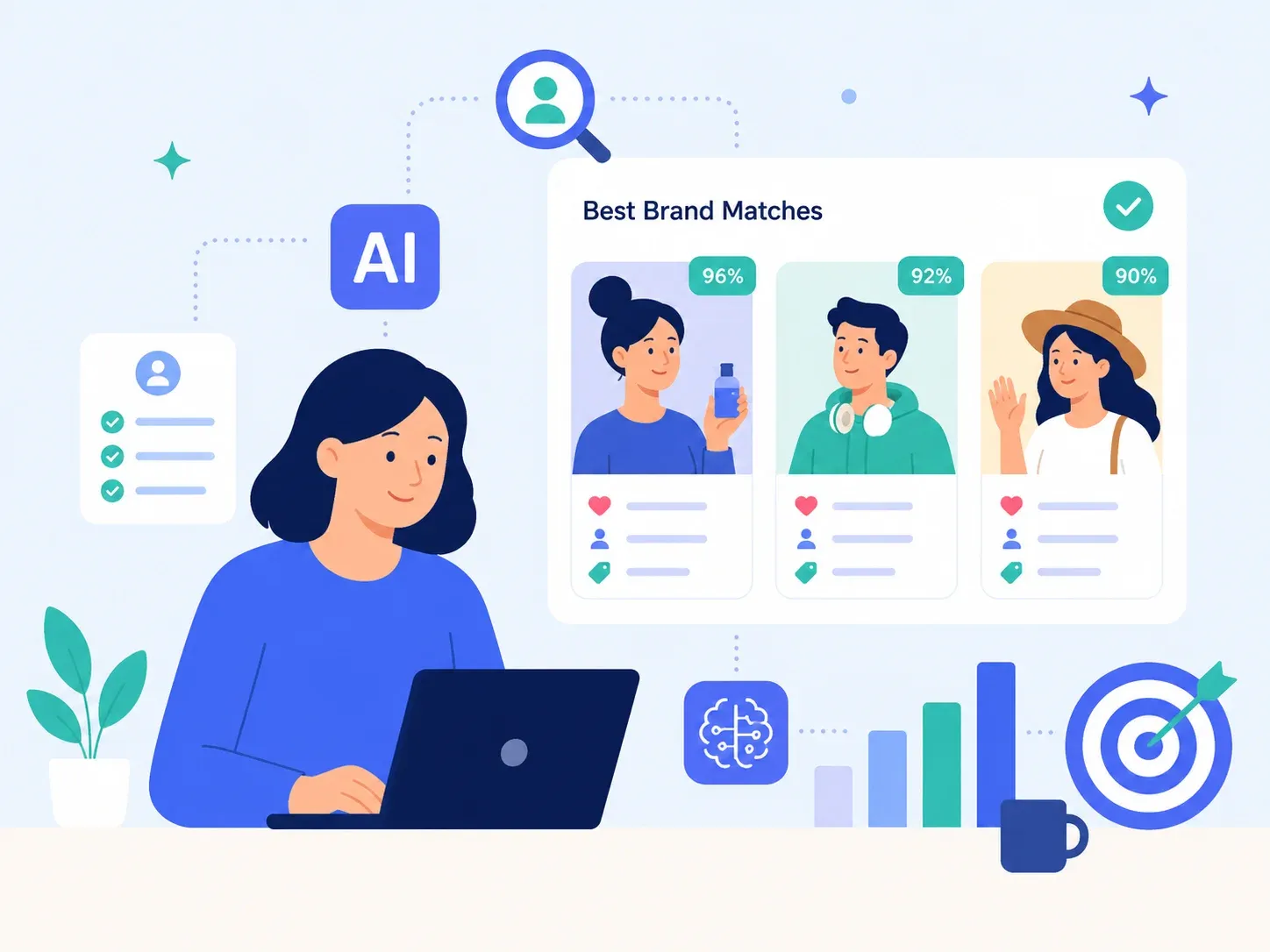
Do not guess your way into the guest list. AI-powered influencer discovery platforms can help analyze creator audiences, compare demographics, and spot mismatches before travel deposits are paid.
Look for audience location, age range, language, interest clusters, brand affinity, buying signals, and suspicious engagement patterns. Then compare those signals with the campaign's actual market.
For instance, a luxury creator with a mostly 45+ budget-travel audience is a poor fit if the campaign targets Gen Z eco-travelers. That creator may be talented, but the economics are wrong.
This is also where micro-influencers deserve a serious look. Hootsuite's 2026 influencer marketing guide notes that nano and micro creators often drive higher engagement and trust than massive accounts.
3. Vet for Community, Not Just Crowds
Follower count tells you how many people might see the trip. The comment section tells you whether anyone cares.
Read the comments like a strategist. Are followers asking specific product questions, tagging friends, and coming back for updates? Or are they dropping generic emojis that could sit under any post?
I always prioritize creators who reply to their community. They are more likely to answer questions during the trip, explain the product naturally, and move people from curiosity to action.
For high-ROI influencer trips, a smaller group of trusted creators usually beats a larger cast selected for reach alone. Community is the part of influence that actually travels home with the audience.
Phase 2: Set ROI Objectives Before Booking Influencer Trips (Tips 4-6)
Clear objectives separate a fun party from a profitable marketing campaign. If you define success early, the itinerary, contracts, tracking, and shot list can all serve the same business goal.
4. Define Metrics Beyond Awareness
Move beyond likes. For a high-ROI influencer trip, I want a short scorecard before the first flight is booked.
- Identify KPIs: Decide whether the trip needs direct sales, email signups, bookings, retail lift, sentiment improvement, or a library of 500+ usable photos and videos.
- Track everything: Assign UTM links, unique discount codes, affiliate links, and creator-specific landing pages before content goes live.
- Review daily: Check performance during the trip. If a creator angle is working, adjust the schedule so the team captures more of it.
IAB's creator economy report found that brands use creators across the funnel, with overall ROI ranking as a top KPI for creator campaigns. That makes measurement planning a budget requirement, not a nice-to-have.
"Clear objectives only help when the tracking is ready. Build a robust tracking infrastructure before the first post, story, vlog, or affiliate link goes live."
5. Put Deliverables and Usage Rights in Writing
Contract clarity protects both sides. A creator should know exactly what is expected before they accept the trip, and your team should know what it can legally reuse after the campaign.
Spell out the content mix. Do you need three TikToks, one YouTube vlog, ten stories, and 20 high-res photos? Or is the goal fewer posts with stronger usage rights for paid amplification?
- Outline the must-haves: Include required tags, hashtags, disclosure language, product messages, talking points, and content formats.
- Define usage rights: Specify whether the brand can use assets on paid ads, website pages, retail media, email, landing pages, and organic social.
- Set deadlines: Posting during the trip creates FOMO. Posting after the trip gives creators time to edit a stronger story.
Be fair about compensation. In 2026, professional creators are not being paid only with scenery. They are selling time, skill, audience access, production value, and often the right to reuse their likeness.
6. Plan for Repurposing From Day One
One of the biggest missed opportunities is letting the content die on social media. A brand trip should feed more than the creator's grid.
Plan the shoot list around repurposing. Capture vertical clips for Reels and TikTok, product demos for landing pages, stills for email, testimonials for paid ads, and behind-the-scenes moments for recruitment or community channels.
Ask creators what formats they know will work for their audience. Then match that with the assets your media team needs. That is where influencer marketing ROI gets stronger, because one trip can support multiple channels instead of one content burst.
Phase 3: Build a Content-First Itinerary (Tips 7-8)

Planning a creator trip means thinking like a producer. The schedule has to create visual opportunities, product context, social proof, and enough breathing room for creators to actually make good work.
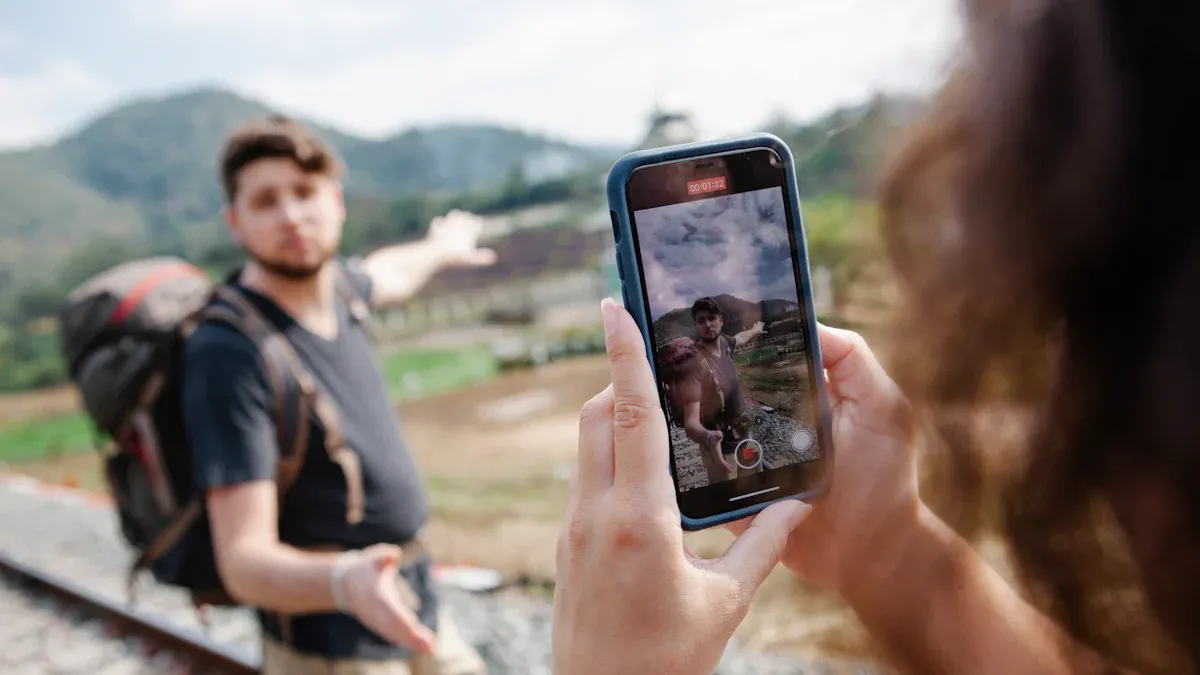
7. Design Short-Form Video Moments
Lighting, sound, movement, and timing matter. A static dinner can be useful for relationship building, but it rarely creates the same content energy as a hands-on workshop, local guide moment, or product trial in motion.
Keep the original TikTok-first instinct, but broaden it to short-form video. Deloitte's 2026 travel outlook found that more than half of Gen Z respondents use short-form social video in travel planning.
That makes vertical-video appeal a practical requirement. Choose locations with natural light, clean sound, simple movement, and enough space for creators to film without bumping into each other.
A hot air balloon ride may beat another seated dinner because it gives creators motion, emotion, altitude, and a clear story. The same logic can apply to a factory tour, chef demo, trail walk, styling session, or customer meet-up.
8. Balance Work, Downtime, and 2026 Travel Trends
The "coolcation" idea still works as a planning lens. If heat, crowding, or transport friction drains creators, the content will show it.
Use the 2026 travel mood to your advantage. Expedia's Unpack '26 report highlights demand for more distinctive, culturally specific, and responsibly managed trips, backed by insights from 24,000 global travelers.
That does not mean every trip needs to chase a trend. It means the experience should feel intentional, rooted in the place, and more interesting than a generic luxury backdrop.
- Add edit blocks: Schedule two-hour windows for creators to edit, post, answer comments, and send draft approvals.
- Leave room for discovery: Creators often find the best content during unstructured moments, especially when the trip has a strong sense of place.
- Avoid over-scheduling: An exhausted creator makes low-energy content, misses details, and may leave with a weaker relationship to the brand.
"The new rules of influencer trips favor thoughtful guest lists, lower-pressure storytelling, and cultural relevance over rigid, minute-by-minute content demands."
Phase 4: Protect Logistics, Compliance, and Relationships (Tips 9-10)
A beautiful itinerary falls apart if the basics fail. If the Wi-Fi is slow, transportation is late, or creators do not understand disclosure rules, the campaign risk climbs quickly.
9. Lock Connectivity and Disclosure Rules
Bad Wi-Fi is not a minor inconvenience on a creator trip. It can delay posts, break approval timelines, and stop creators from uploading 4K video while the experience is still fresh.
- Confirm connectivity: Verify hotel Wi-Fi, venue upload speeds, roaming coverage, 5G access, and backup hotspots before arrival.
- Plan tech support: Assign one person to handle charging, file transfer, device issues, access codes, and emergency logistics.
- Protect brand safety: Keep someone on-site who can answer product questions, review risky claims, and coordinate approvals without slowing creators down.
Compliance needs the same level of planning. The FTC says influencers should disclose when they receive money, free travel, discounted products, or anything else of value, and disclosures should be hard to miss.
Give creators a short disclosure sheet before the trip. The FTC's Disclosures 101 for Social Media Influencers is the source I would point teams to first.
Use platform-native Paid Partnership labels, but do not rely on them alone. For video, add spoken or on-screen disclosure when needed. For stories, keep the disclosure visible long enough to read.
10. Turn the Trip Into a Long-Term Creator Program
The trip is the kickoff, not the whole relationship. The real value often appears after the trip, when creators keep using the product, answer audience questions, and become credible brand advocates.
Vogue's 2026 coverage of how influencer marketing is changing in 2026 points to a clear shift from one-off posts toward deeper creator collaboration, consulting, and long-term advocacy.
- Engage after the trip: Share creator content quickly, send thoughtful follow-ups, and keep comments or product questions moving.
- Offer affiliate paths: Give strong performers a long-term commission structure, custom landing page, or exclusive bundle.
- Ask for input: Invite creators to review future trip ideas, product messaging, or campaign hooks. Ownership deepens loyalty.
This is where Scrumball can fit naturally into the workflow. Discovery, outreach, approvals, performance tracking, team collaboration, and influencer payments all need to stay organized if a one-time trip becomes an always-on creator program.
Final Takeaway
Influencer trips can still boost brand awareness, but the 2026 opportunity is bigger than reach. A well-planned trip creates a content engine, tests creator fit, drives measurable action, and builds relationships your brand can keep developing.
The best trips are not the flashiest. They are the ones with data-vetted creators, clear KPIs, fair contracts, strong logistics, disclosure discipline, and enough creative space for real stories to emerge.
Use these 10 strategies before approving the budget. You will get better content, cleaner reporting, stronger creator trust, and a trip that looks like a real marketing investment instead of a line item someone has to defend later.
FAQ
What is the primary ROI of an influencer trip in 2026?
The primary ROI is a mix of reusable content, creator trust, and measurable demand. Reach still matters, but a strong trip should also generate tracked clicks, sales, email signups, affiliate activity, sentiment gains, and a library of assets that would cost far more through a traditional production shoot, not just impressions after the trip ends.
How far in advance should I plan a brand trip?
Plan most influencer trips four to six months in advance. That gives you time to secure creators, negotiate compensation and usage rights, confirm travel logistics, build the content brief, prepare tracking links, and align the trip with launches, seasonal demand, or retail moments that can lift ROI. It also leaves room for backup options.
Is it better to invite micro-influencers or macro-influencers?
A mix often works best, but micro-influencers are usually stronger for engagement, trust, and niche conversion. Macro creators can add reach and social proof. The smarter decision is to match each creator to a role, then compare audience fit, comment quality, past performance, and cost per usable asset. Role clarity matters.
How do I handle usage rights for influencer trip content?
Do not assume the brand owns the content. Usage rights should be written into the contract before the trip. Define where assets can be used, how long rights last, whether paid ads or whitelisting are allowed, and whether the creator must approve edits, captions, or product claims. Add raw files and approvals if needed.
What creates a bad influencer trip experience?
Overscheduling is the fastest way to drain a creator trip. Other common problems include weak Wi-Fi, unclear briefs, missing disclosure guidance, poor food planning, disorganized transport, and no time to edit. When creators feel managed instead of hosted, the content usually feels stiff and low energy. These failures can also damage the relationship after checkout.
Should I pay influencers to attend, or is the free trip enough?
Professional creators should usually be paid. The trip covers access and expenses, but it does not cover their time, audience trust, production skill, editing labor, or usage rights. A fair honorarium also gives the brand more accountability, clearer deliverables, and a better foundation for long-term partnership. It sets the trip up like professional work.