
Media monitoring tools have become essential for brands looking to stay competitive in a fast-moving digital landscape. This guide explores how social media monitoring tools, PR media monitoring tools, and broadcast media monitoring tools work, what features to prioritize, and how to use them to track, analyze, and optimize brand mentions effectively.
Introduction to Media Monitoring Tools
Define Media Monitoring Tools
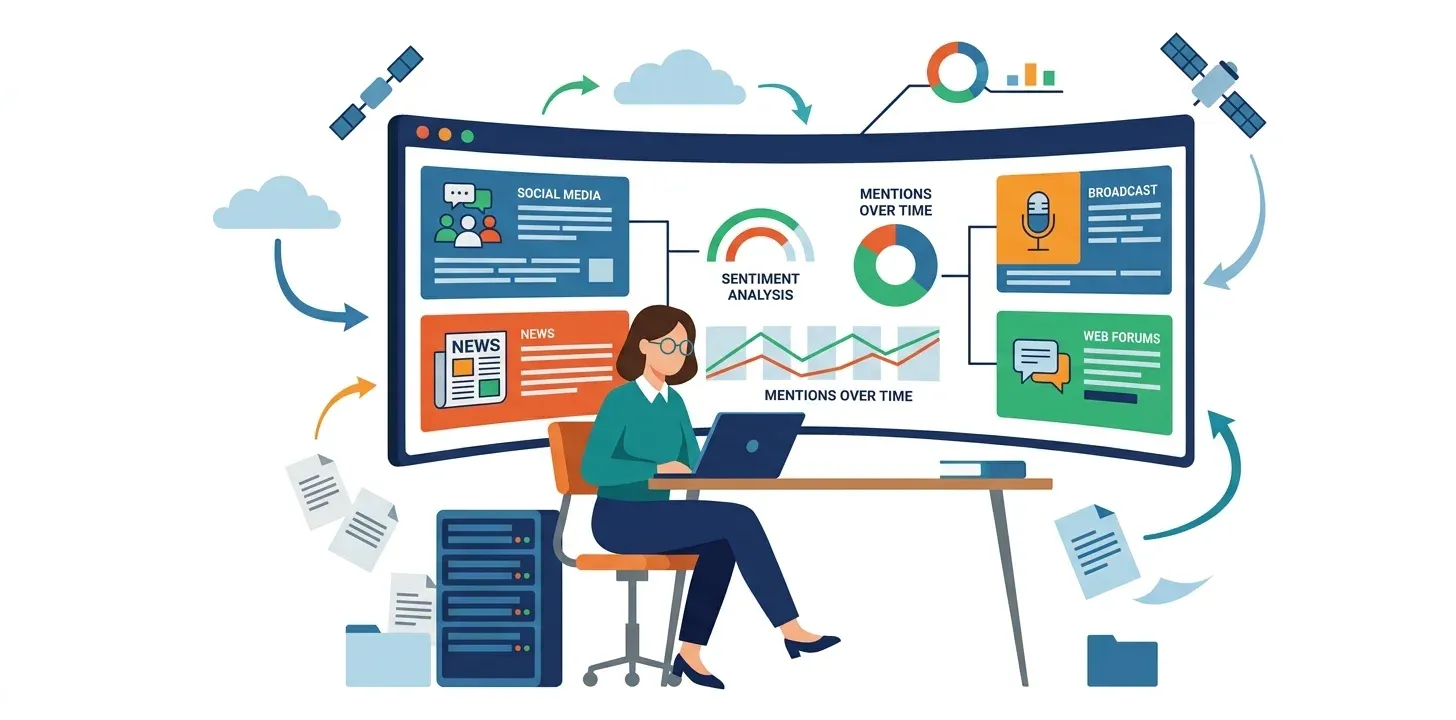
Media monitoring tools are platforms that help brands track mentions across multiple channels, including social media, news outlets, blogs, and broadcast platforms. They allow companies to stay informed about what people are saying, where conversations are happening, and how their brand is perceived in real time. For modern brands, this visibility is no longer optional; it’s essential.
Importance for Brands
For brands, monitoring mentions goes far beyond simple tracking. It directly impacts reputation management, customer relationships, and campaign performance.
With the right media monitoring tools, brands can quickly identify negative sentiment, respond to crises, and uncover opportunities for engagement. They also provide valuable insights into audience behavior, helping teams refine messaging and improve overall marketing strategies.
Types of Media Covered
Media monitoring today spans several key channels:
- Social platforms like Instagram, TikTok, and X
- PR coverage, including online news and blogs
- Broadcast channels such as TV, radio, and podcasts
- Forums and niche online communities
Many brands rely on comprehensive solutions for managing brand mentions, such as Scrumball, to centralize data, streamline monitoring workflows, and efficiently gain unified insights across multiple media channels.
Top Social Media Monitoring Tools for Brands
Social Media Monitoring Tools Overview
Social media monitoring tools are designed to track conversations happening across platforms in real time. They typically allow brands to monitor mentions, hashtags, keywords, and competitor activity. Some also include dashboards for visualizing trends and engagement patterns.
Popular social media monitoring tools like Scrumball, Brand24, Hootsuite, and Brandwatch offer these capabilities at different levels, helping brands manage conversations and insights more efficiently. For brands focused on digital growth, these tools are often the first layer of media monitoring.
Features to Look For
When evaluating social media monitoring tools, brands should prioritize features that support both tracking and analysis. Key capabilities include:
- Real-time mention tracking
- Sentiment analysis for audience perception
- Hashtag and keyword monitoring
- Competitor benchmarking
- Custom dashboards and reports
These features enable brands to transform raw data into actionable insights, identify trends faster, optimize campaigns effectively, and make informed decisions that improve overall marketing performance and audience engagement.
Free vs Paid Options
There are many free social media monitoring tools available, but they often come with limitations. Free tools may restrict the number of keywords, platforms, or historical data available. They can be useful for small teams or early-stage brands. For example, tools like Google Alerts provide a simple way to track mentions, though with limited depth.
However, premium social media monitoring tools typically offer deeper analytics, automation, and integration capabilities. Platforms such as Scrumball, along with tools like Talkwalker and Meltwater, provide more advanced insights and scalability. For growing brands, investing in paid solutions often yields more accurate, actionable data.
Tools with Tagging & Information Databases
One of the most valuable advancements in this space is the use of social media monitoring tools to tag information databases. These systems allow brands to categorize mentions by campaign, sentiment, or audience segment. Over time, this creates a structured dataset that improves reporting and decision-making.
Many advanced social media monitoring tools, including platforms like Scrumball and Brandwatch, already support tagging systems and built-in data organization features. These capabilities make it easier to turn scattered mentions into a searchable, structured information database.
When combined with deeper performance tracking capabilities, these tagging systems help brands uncover patterns over time, compare campaign performance, and build a more data-driven approach to long-term marketing strategy and optimization.
PR and Broadcast Media Monitoring
PR Media Monitoring Tools Overview
PR media monitoring tools focus on tracking brand mentions in news articles, press releases, blogs, and online publications. They help brands understand how they are represented in the media and identify opportunities for further coverage. These tools are especially important for companies running PR campaigns or working with journalists and publications.
Broadcast Media Monitoring Tools
Broadcast media monitoring tools extend tracking to traditional and streaming channels, including TV, radio, and podcasts. They allow brands to capture mentions that may not appear online but still influence public perception. For industries with strong offline presence, such as entertainment or consumer goods, this type of monitoring remains highly relevant.
Benefits of Integrating PR & Broadcast Data
Combining PR and broadcast data gives brands a more complete view of their media presence. Instead of analyzing channels in isolation, brands can identify patterns across different platforms and understand how messages spread.
How to Track and Analyze Brand Mentions Effectively?
Setting Up Alerts and Notifications
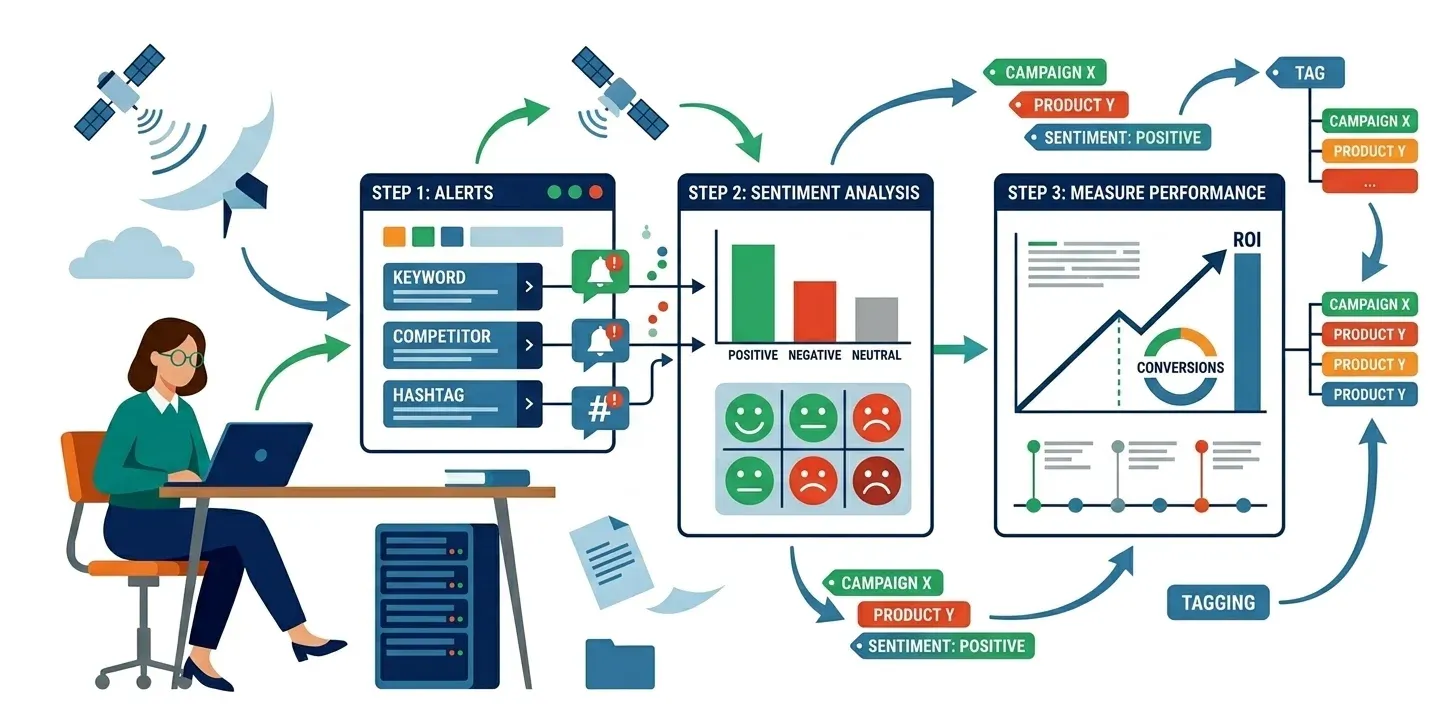
The first step in effective monitoring is setting up alerts. Brands can set up alerts for specific keywords, product names, competitor terms, or campaign hashtags across multiple platforms, ensuring timely visibility into conversations and enabling faster responses, especially during product launches, viral moments, or high-impact marketing campaigns.
Analyzing Sentiment and Engagement
Tracking mentions is only part of the process. Understanding sentiment is equally important.
Media monitoring tools can classify mentions as positive, negative, or neutral. When combined with engagement metrics such as likes, shares, and comments, this provides a clearer picture of audience perception. This insight helps brands adjust messaging and respond more effectively.
Measuring Campaign Performance
To evaluate success, brands need to connect mentions to outcomes. This is where performance tracking tools become essential. They allow teams to measure ROI, track engagement trends, and assess campaign effectiveness over time. By linking mentions to conversions or reach, brands can make more informed marketing decisions.
Tagging and Organizing Mentions
As data grows, organization becomes critical. Tagging allows brands to group mentions by campaign, audience, or sentiment. This makes reporting more structured and easier to analyze. Over time, a well-maintained tagging system becomes a valuable database for identifying trends and optimizing future campaigns.
Choosing the Right Media Monitoring Tool for Your Brand
Factors to Consider
Choosing the right media monitoring tool requires balancing current business needs with long-term scalability and adaptability.
- Platform coverage across channels: Not all tools cover every channel equally. Brands should ensure the platform aligns with where their audience and media presence are most active, whether that’s on social media, in news coverage, or on broadcast platforms.
- Pricing and scalability: Different tools offer tiered pricing based on usage and capabilities. It’s important to understand what’s included at each level to avoid unexpected limitations as your monitoring needs grow.
- Ease of use and onboarding: A powerful tool is only effective if teams can use it efficiently. Intuitive dashboards and a smooth onboarding process can significantly reduce the learning curve and improve adoption across teams.
- Integration capabilities: Strong integration ensures monitoring data isn’t siloed. Connecting with existing systems allows brands to turn insights into actions more quickly and align monitoring with broader marketing workflows.
- Reporting and customization: Customizable reports and dashboards make it easier to focus on the metrics that matter most. This is especially important for teams that need to present insights to different stakeholders or track multiple campaigns simultaneously.
Ultimately, the best tool should align with your workflows, support growth, and deliver actionable insights that improve brand decision-making over time.
Recommended Media Monitoring Tool Categories
Media monitoring tools can be grouped into several categories based on channels, use cases, and the specific insights brands need.
- Social media monitoring tools for online engagement
- PR media monitoring tools for press coverage
- Broadcast media monitoring tools for offline channels
- Influencer-focused tools for creator partnerships
Understanding these categories helps brands select the right mix of tools to build a comprehensive, scalable monitoring strategy that supports evolving marketing goals.
Integrating with Influencer Management
For brands working with creators and running multiple campaigns side by side, integrating media monitoring tools into the influencer performance tracking process is the key to keeping everything together and maximizing efficiency.
Using Influencer management platforms alongside monitoring tools provides a more complete view of performance. This allows brands to track both mentions and influencer impact within a single workflow, improving collaboration and results.
Case Study Examples
Many brands have improved their strategies through effective monitoring, turning real-time insights into measurable business outcomes.
For example, a consumer brand might identify a viral mention early and quickly amplify it through paid campaigns and influencer collaborations, significantly extending its reach. Another brand could detect rising negative sentiment about a product feature and respond proactively with updated messaging, customer support, or product adjustments before the issue escalates.
In another scenario, a brand tracking competitor mentions may discover gaps in messaging or underserved audience needs, allowing them to reposition campaigns and capture additional market share.
These small but timely insights, when acted upon strategically, often translate into stronger engagement, improved brand perception, and a clear competitive advantage over time.
Conclusion
Media monitoring tools have become a core part of modern brand strategy, especially for individuals, teams, and brands running influencer marketing campaigns. From tracking social conversations to analyzing PR and broadcast coverage, they provide the insights needed to stay competitive.
By choosing the right tools and using them effectively, brands can improve decision-making, optimize campaigns, and build stronger relationships with their audience.
FAQ
What are the different types of media monitoring?
Media monitoring typically includes social media monitoring, PR media monitoring, broadcast media monitoring, and online community tracking. Each type focuses on different channels, allowing brands to capture conversations across digital and offline spaces while building a more complete and accurate understanding of their overall media presence.
What are examples of media monitoring tools?
Media monitoring tools range from social media monitoring platforms to PR tracking software and all-in-one solutions. Some tools specialize in specific channels, such as news or social media, while others integrate multiple sources, offering unified dashboards that help brands efficiently manage and analyze mentions across various media environments.
Why use social media monitoring tools?
Brands use social media monitoring tools to gain real-time insights into audience sentiment, track engagement trends, and identify emerging conversations. These tools also support competitive analysis, helping brands understand market positioning, refine messaging strategies, and respond quickly to discussions that influence brand perception and customer trust.
How do social media tools aid in monitoring performance metrics?
Social media monitoring tools help track performance metrics such as reach, engagement, sentiment, and conversions across campaigns. By analyzing these data points, brands can evaluate marketing effectiveness, identify high-performing content, and continuously optimize strategies to improve results and maximize return on investment over time.