
Influencer marketing platforms now sit at the center of modern creator programs. In 2026, brands use them to discover creators, coordinate outreach, manage approvals, and connect campaign activity to revenue.
The appeal is easy to understand. Teams need more than spreadsheets once creator marketing becomes always-on, cross-channel, and accountable to the pipeline or sales.
This guide breaks down the pros and cons of influencer marketing platforms with a practical 2026 lens. We will cover where these tools help, where they create friction, and how to judge fit before you commit budget.
Understanding Influencer Marketing Platforms
What Are Influencer Marketing Platforms?
An influencer marketing platform is software that helps brands run creator campaigns from one place. Instead of jumping between spreadsheets, inboxes, DMs, and analytics tabs, your team gets a shared system for discovery, outreach, approvals, tracking, and reporting.
In practice, these tools do more than store creator lists. A strong platform helps you vet audience quality, filter by niche or geography, review past brand fit, and keep every collaboration moving against a clear timeline. Some even support influencer payouts, making the whole workflow can be
If you are comparing influencer marketing platforms, start with one question. Does the tool only help you find creators, or can it support the full campaign lifecycle after discovery as well?
The Role of Influencer Marketing Management
This is where influencer marketing management becomes critical. Once a program grows beyond a few creators, the real work becomes coordination: briefs, products, contracts, approvals, usage rights, payouts, and post-campaign reporting.
We see teams hit a ceiling when that work stays manual. Response times slip, creators get double-contacted, reporting breaks, and no one has a clean record of what was promised or delivered.
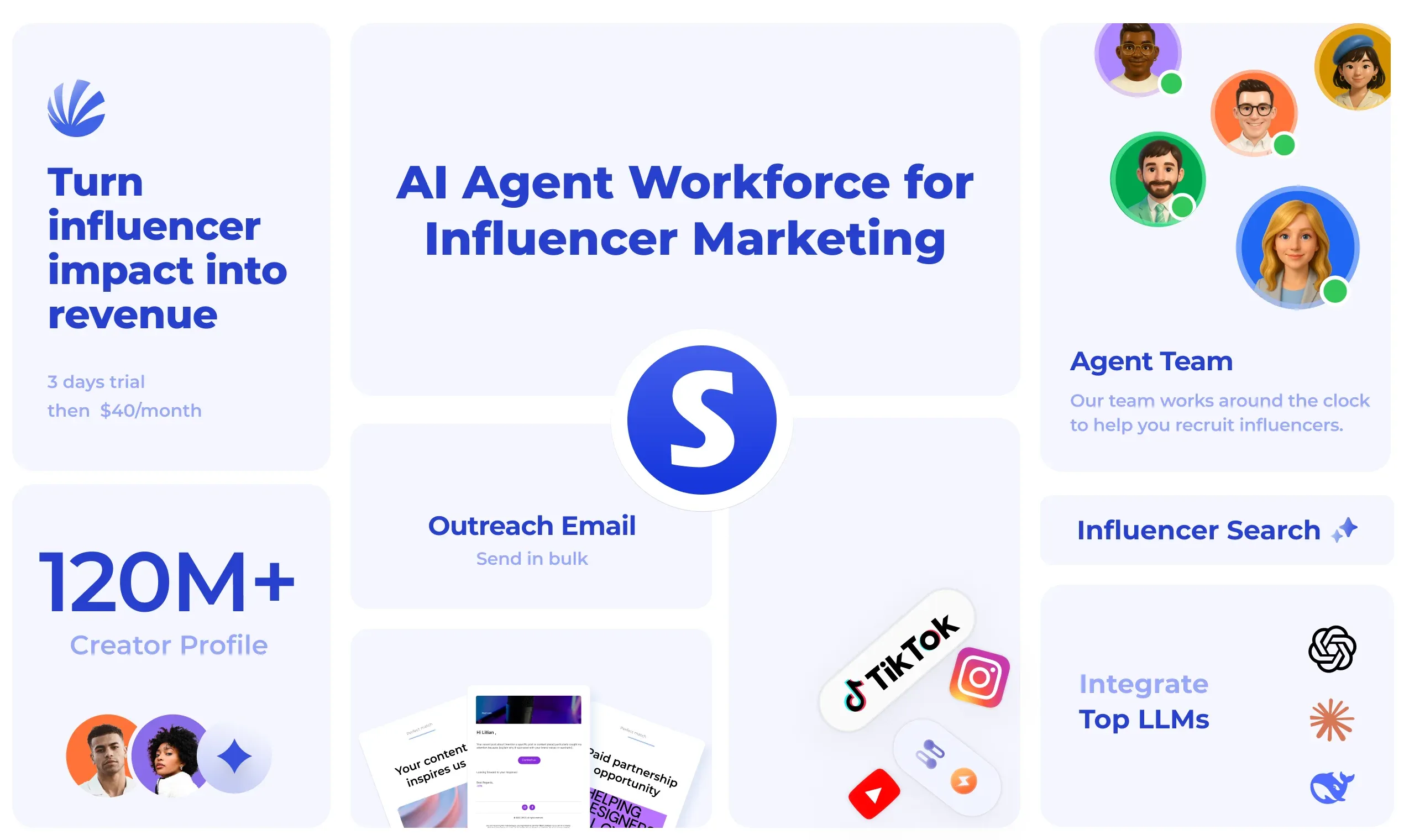
Platforms like Scrumball are built to close that gap. Discovery, outreach, campaign management, performance tracking, and creator payments can live inside one workflow instead of five disconnected systems.
Key Features and Capabilities
The best platforms usually combine several core functions:
- Influencer discovery: Search by niche, location, audience traits, content style, brand mentions, and engagement quality.
- Campaign management: Assign briefs, track deliverables, log approvals, and keep deadlines visible across the whole team.
- Relationship management: Treat creators like long-term partners with notes, status history, and renewal context.
- Performance tracking: Pull clicks, conversions, content metrics, and revenue signals into one reporting view.
- Automation: Speed up repetitive work such as personalized outreach, follow-ups, reminders, and reporting exports.
- Risk controls: Review audience authenticity, disclosure compliance, and brand safety before spend goes live.
That mix is why a current 2026 influencer strategy guide treats platforms as operating infrastructure, not a nice-to-have add-on.
Benefits of Influencer Marketing Platforms
Enhanced Targeting and Audience Insights
One of the clearest benefits is better targeting. Instead of choosing creators by follower count alone, you can screen for audience location, demographics, content themes, engagement patterns, and brand fit before outreach starts.
That matters more in 2026 because the creator field is enormous. The State of Influencer Marketing shows how heavily the ecosystem now depends on nano and micro creators, which means better filters often beat broader reach.
When targeting improves, messaging improves with it. You brief creators for the audience they actually influence, not the one you hope they have.
Streamlined Influencer Marketing Management
The biggest time savings usually come after creator discovery. A platform keeps conversations, briefs, deliverables, approval history, and performance notes in one place, which reduces handoff errors across social, brand, legal, and ecommerce teams.
In our experience, this is where teams feel the value fastest. When everyone works from the same dashboard, fewer tasks fall through the cracks and fewer campaigns depend on one person remembering every next step.
That centralization also makes creator relationships more durable. You can reopen a prior collaboration with full context instead of starting from zero every quarter.
Scalability for Campaigns of All Sizes
Platforms become more valuable when your program moves from occasional tests to always-on execution. The process that works for five creators rarely works for fifty, and it definitely does not work for a multi-market program with overlapping campaigns.
A good system lets you scale without losing control. Templates, shared workflows, bulk actions, and clear status tracking help smaller teams act bigger without creating chaos behind the scenes.
That is also where an all-in-one workflow matters. If discovery lives in one tool and reporting in another, every extra campaign adds more friction.
Access to a Diverse Network of Influencers
Another advantage is broader access to creator types and tiers. The right platform helps you compare reach, cost, and likely use case before you spend.
| Influencer Type | Follower Range | Best Use Case | Typical Tradeoff |
|---|---|---|---|
| Nano | 1,000 to 10,000 | Local trust, niche credibility, affordable testing | Limited reach and slower scaling |
| Micro | 10,000 to 100,000 | Balanced reach, engagement, and efficiency | More campaign coordination across many creators |
| Macro | 100,000 to 1 million | Product launches and broader awareness | Higher pricing and lower intimacy |
| Mega | 1 million+ | Mass visibility and cultural reach | Premium cost and less audience specificity |
Sprout Social's 2026 guide and pricing benchmarks use the same basic tiers, which makes this framework useful for planning reach, cost, and fit together.
Data-Driven Campaign Optimization
Strong platforms help you learn faster, not just launch faster. Once content is live, you can compare creators, hooks, formats, and offers against the same reporting structure instead of stitching data together by hand.
That visibility is more valuable now that creator work supports more than awareness. Adobe's 2026 holiday analysis found social media revenue share rising, while affiliates and partners, including influencers, drove a much larger share of ecommerce revenue.
When creator content can influence both discovery and sales, optimization stops being optional. Teams need to know which creators drive clicks, which drive saves, which drive content reuse, and which actually move revenue.
Challenges of Influencer Marketing Platforms
High Costs and Budget Constraints
The downside is simple. Good software costs money, and software is only one line item. Creator fees, paid amplification, product seeding, usage rights, internal labor, and reporting overhead all sit on top of the platform subscription.
Pricing pressure also changes by channel. According to Sprout Social's influencer pricing benchmarks, rough costs still rise quickly as follower counts and content complexity increase.
| Platform | Directional Cost Benchmark | Planning Note |
|---|---|---|
| About $10 per post per 1,000 followers | Reels and usage rights often push costs higher | |
| TikTok | About $10 per post per 1,000 followers | Speed and trend timing matter as much as reach |
| YouTube | About $20 per 1,000 subscribers | Higher production load usually means higher fees |
| About $20 per post per 1,000 followers | Useful for selected demographics, but not every brand | |
| X | About $2 per post per 1,000 followers | Lower cost does not guarantee stronger outcomes |
| Snapchat | About $10 per post per 1,000 followers | Best when your audience is active there |
This is why smaller teams often do better with focused creator lists, tighter briefs, and reusable UGC instead of chasing scale too early.
Limited Creative Control Over Content
Platforms can organize creator work, but they cannot solve the brand-control tension for you. The more scripted a collaboration feels, the more likely it is to underperform with audiences who follow creators for voice, taste, and honesty.
Vogue's 2026 industry reporting notes that creators are moving closer to consultant-style partnerships, and 40% of brands now give creators full creative control. That does not mean no guardrails. It means better guardrails.
Clear goals, non-negotiable compliance points, and examples of what good looks like usually work better than word-for-word direction.
Dependence on Platform Algorithms
No platform can remove algorithm risk. Instagram, TikTok, YouTube, and other channels keep changing what gets distributed, which formats get preferred placement, and how long creator content stays visible.
That volatility is one reason teams are diversifying. Collabstr's 2026 report shows TikTok-specific campaigns falling on its marketplace while UGC and other formats grew, which signals a move toward more flexible content strategies.
If your workflow depends on one channel or one content format, you are taking more platform risk than you may realize.
Measuring ROI and Campaign Effectiveness
Measurement is still the hardest part. A platform can capture clicks, codes, and post metrics, but creator influence often shows up across assisted revenue, branded search, content reuse, and delayed conversions too.
The core metrics remain familiar, but the reporting stack has to be tighter than most teams expect:
| Metric | What It Tells You |
|---|---|
| Engagement quality | Whether the audience cared enough to comment, save, share, or ask questions |
| Reach and impressions | How much qualified attention the content generated |
| CTR and landing traffic | Whether creator content actually moved people off-platform |
| Conversions and revenue | What directly attributable business outcome the campaign produced |
| Content value | Whether the asset is strong enough to reuse in ads, PDPs, email, or social |
| Brand sentiment | How the audience reacted to both the creator and the brand |
For cleaner attribution, use GA4 UTM tracking, creator-specific promo codes, and post-purchase surveys together. One method alone usually misses part of the story.
If ROI is a major buying criterion, start with a dedicated influencer marketing ROI guide before you compare vendors.
Adapting to Rapidly Changing Trends
The creator economy is moving quickly. GWI shows audiences want more entertaining, balanced, and authentic creator content, while Vogue's 2026 reporting shows brands pushing toward longer partnerships, creator expertise, and community-led formats.
On top of that, compliance expectations remain real. The FTC's disclosure guidance still requires clear disclosure whenever a creator has a material connection to a brand, including payment, gifts, or discounts.
That is a lot to manage at once. A platform can help with workflow and visibility, but your team still needs judgment, testing discipline, and a process for staying current.
Evaluating the Suitability of Influencer Marketing Platforms
Assessing Budget and Resource Availability
Before you buy anything, map the total program cost. That means platform fees, creator compensation, product costs, paid media, shipping, usage rights, and the hours your team will spend launching and analyzing campaigns.
That discipline matters because many programs run on smaller creator deals than people assume. Collabstr's 2026 report found that nearly 80% of collaborations on its platform cost under $300, which supports a test-and-iterate model for lean teams.
If your team is small, start with the workflow bottleneck that hurts most. For some brands, it is discovery. For others, it is outreach, reporting, or creator payouts.
Aligning Platforms With Marketing Goals
The right platform depends on the outcome you want most. Awareness tools, UGC tools, affiliate-heavy tools, and full lifecycle creator CRMs are not the same product wearing different labels.
| Goal | Features to Prioritize | What to Watch For |
|---|---|---|
| Brand awareness | Large creator search database, brand-fit filters, audience insights | Too much reach with too little relevance |
| UGC production | Briefing, approvals, asset delivery, usage-right tracking | Weak content organization after delivery |
| Direct sales | Affiliate links, promo codes, ecommerce integration, revenue reporting | Attribution that overstates the last-click value |
| Always-on creator programs | CRM, outreach automation, collaboration history, team workflow | Adoption problems if the interface slows down daily work |
| Compliance and governance | Approval controls, disclosure tracking, permissions, and audit trail | Manual checks that do not scale |
When the goal is mixed, which is common, lean toward the platform that handles handoffs cleanly. That is often more valuable than the tool with the longest feature list.
Considering Brand Size and Industry Niche
Brand size changes what good looks like. A startup may need fast outreach, affordable creator discovery, and reusable UGC. A larger team may care more about permissions, regional coordination, budget control, and deeper reporting.
Niche matters too. If your category depends on trust and explanation, expert creators and smaller communities often outperform celebrity scale. If your goal is broad launch visibility, larger creators may still make sense.
What we have seen repeatedly is that fit beats prestige. The best platform is the one that supports how your buyers actually discover, evaluate, and act.
Balancing Long-Term and Short-Term Campaign Needs
Short-term creator campaigns are useful for launches, seasonal pushes, and offer testing. They tell you which messages, formats, and creators deserve a larger commitment.
Long-term partnerships do something different. They build familiarity, improve briefing quality, and usually produce better content because the creator understands the brand and the audience response over time.
Vogue's 2026 reporting points in the same direction. Brands are shifting spend toward fewer, stronger relationships and using creators as longer-term advocates, not just rented reach.
The best operating model usually combines both. Use short campaigns to test, then move proven creators into a repeatable program with clearer KPIs, reuse rights, and stronger reporting.
Conclusion
So, are influencer marketing platforms worth it in 2026? Usually yes, if your team needs better discovery, cleaner coordination, and more reliable attribution. The value shows up when software removes manual drag and helps you make better decisions, not when it simply adds another dashboard.
If you want to compare full-service options, this 2026 platform roundup and Scrumball's workflow are a practical next step. The strongest teams choose software that matches how they actually run creator marketing, then build disciplined processes around it.
FAQ
What is the best way to find the right influencer for my brand?
Start with audience fit, not creator size. Define who you need to reach, what action you want them to take, and which platforms matter most. Then compare creators by niche, audience location, engagement quality, content style, and brand fit. A good platform makes filtering faster and more repeatable than manual search.
How can I measure the success of an influencer campaign?
Track success against the actual goal. For awareness, look at reach, saves, shares, and sentiment. For sales, track clicks, promo codes, conversion rate, and revenue. Use UTMs, creator-specific links, and post-purchase surveys together. That mix captures both direct response and the assisted influence that last-click reporting misses.
Are influencer marketing platforms suitable for small businesses?
Yes, if the tool solves a real bottleneck. Small teams usually get the most value from better discovery, structured outreach, and cleaner reporting. Start with micro or nano creators, run smaller tests, and choose software that supports lean execution. You do not need enterprise complexity to benefit from creator management software.
How do I handle creative control when working with influencers?
Give creators a clear brief, firm compliance rules, and a narrow set of non-negotiables. Then leave room for their voice, format, and pacing. The goal is alignment, not script reading. Content performs better when the creator sounds like themselves and the audience can still recognize why the partnership makes sense.
What’s the biggest challenge with influencer marketing platforms?
The hardest part is proving value across the whole funnel. Discovery is easy to see. Revenue attribution, content reuse value, assisted conversions, and long-term creator impact are harder. That is why the best teams combine professional software/tools/platforms with strong measurement rules, clean workflows, and regular review of creator fit, costs, and outcomes.