
Social media influencers have become an essential part of today's digital landscape, shaping consumer opinions and influencing purchasing decisions across nearly every industry. This guide explains what a social media influencer is, explores their responsibilities, required skills, different types, earning potential, and the growing role they play in modern marketing.
Understanding Social Media Influencers
A social media influencer is someone who builds a loyal online audience by sharing credible, consistent content within a particular niche. Through expertise, authenticity, and ongoing engagement, they earn followers’ trust and can shape opinions and purchasing decisions, making them valuable partners for brands seeking to connect with relevant communities.
The Key Traits of a Social Media Influencer
While follower count often attracts attention, it is not what defines influence. Successful influencers combine expertise, authenticity, and audience relationships to create lasting credibility. Several characteristics distinguish a true influencer from someone who simply has an online presence.
The most important traits include:
- Subject expertise: Influencers consistently demonstrate knowledge or genuine experience within a specific niche, making their recommendations more valuable and credible to their audiences.
- Authenticity and trust: Audiences follow influencers whose opinions feel honest, transparent, and aligned with their personal values, rather than purely promotional content.
- Consistent content creation: Regular publishing helps maintain visibility, strengthens audience expectations, and signals long-term commitment to a particular topic or industry.
- Audience engagement: Successful influencers actively respond to comments, encourage conversations, and build relationships that extend beyond one-way content consumption.
- Personal brand identity: A recognizable voice, visual style, and perspective help influencers differentiate themselves within increasingly competitive social media environments.
Together, these qualities enable influencers to build communities instead of simply accumulating followers. Long-term influence is created through consistent trust and meaningful interactions rather than viral moments alone.
Influencers vs. Celebrities vs. Content Creators
Although these terms are often used interchangeably, they describe different roles within the digital ecosystem. Understanding the distinctions makes it easier to understand what a social media influencer is and why influencer marketing differs from traditional celebrity endorsements.
| Comparison Point | Social Media Influencer | Celebrity | Content Creator |
|---|---|---|---|
| Primary Source of Influence | Expertise and audience trust | Public fame and recognition | Creative content production |
| How the Audience Is Built | Social media communities | Entertainment, sports, media, or public achievements | Platform-specific content and creativity |
| Relationship With Followers | Highly interactive and community-driven | Generally less personal | Varies depending on content style |
| Main Objective | Influence opinions and purchasing decisions | Maintain a public image and an entertainment career | Produce engaging or educational content |
| Typical Brand Value | Authentic recommendations and targeted reach | Broad exposure and mass awareness | High-quality creative assets and storytelling |
These categories frequently overlap. Many influencers are also talented content creators (which explains why they became influencers), while some celebrities have successfully become influencers by developing authentic online communities. Ultimately, influence depends less on popularity and more on the ability to earn trust and inspire action.
What Does a Social Media Influencer Typically Do?
An influencer’s job rarely begins when the camera turns on. A typical week combines content planning, production, audience conversations, and behind-the-scenes admin. If brand work is involved, it may also include reviewing briefs, negotiating terms, meeting deadlines, and checking how sponsored posts perform.
Creating and Publishing Content
Most influencers research ideas, plan posts, film or photograph content, write captions, edit, and publish across one or more platforms. A five-minute video might take hours to plan, script, shoot, and polish. After it goes live, they study the response to learn what their audience wants more of and apply it to the next post later on.
Many creators start by handling everything themselves. As their workload grows, they may bring in editors, photographers, managers, or other specialists, gradually turning a one-person operation into a production team when frequent publishing and brand partnerships become too much to manage alone.
Building Relationships with Followers
Posting is only half the job. Influencers also reply to comments, answer messages, ask questions, run polls, or host live sessions. These small, regular interactions help followers feel heard and give creators a clearer picture of what their community values.
That connection is what turns attention into influence. People are more likely to trust a creator’s recommendation when their advice has been useful, consistent, and honest over time.
Working with Brands
Many influencers earn income through sponsored posts, product reviews, affiliate links, events, or ambassador partnerships. A good collaboration fits the creator’s usual content and gives them room to speak in their own voice, so the promotion feels relevant instead of forced.
Brand deals are optional, not the definition of being an influencer. Some creators focus on education, entertainment, paid memberships, or their own products. Whatever the business model, the core work is the same: create useful content, understand the audience, and protect the trust that makes influence possible.
Required Skills for a Professional Social Media Influencer
Professional influencers need more than creativity or a large following. The role combines content production, audience understanding, communication, and business judgment. These skills help creators produce better work, grow with purpose, and manage partnerships without losing the trust that made them influential.
- Content creation and storytelling: Plan, film, photograph, edit, and write for the chosen niche. Strong hooks, clear pacing, useful captions, and consistent quality matter more than expensive equipment.
- Platform awareness: Understand how formats and audience expectations differ across TikTok, Instagram, YouTube, and other channels. A strong idea often needs to be adapted rather than reposted unchanged.
- Marketing and analytics: Know the audience, campaign goal, and action each post should encourage. Review watch time, engagement, clicks, or conversions to understand what worked and improve future content.
- Communication and community management: Reply thoughtfully, guide conversations, and set healthy boundaries with followers. Clear communication is equally important when coordinating with brands, agencies, editors, and other collaborators.
- Personal branding and creativity: Develop a recognizable voice, point of view, and visual identity. Trends can inspire new formats, but adapting them to the creator’s niche is more memorable than copying them exactly.
- Professionalism and business skills: Manage briefs, deadlines, feedback, rates, agreements, and deliverables. Staying organized helps creators protect their time and handle paid work without disrupting the content their audience expects.
Few creators are strong in every area at the beginning. Most start with one clear advantage, such as subject expertise or video production, and develop the rest as their audience, workload, and opportunities grow.
Types of Social Media Influencers
Influencers can be categorized using several different criteria, each offering a unique perspective on their reach, expertise, and marketing value. The most common classification methods are based on audience size, content niche, and primary social media platform.
Types of Influencers by Audience Size
One of the most widely used classification methods is follower count. Although audience size does not determine influence on its own, it often affects campaign objectives, collaboration opportunities, and the types of brands that choose to work with a creator.
| Type | Followers | Characteristics | Best For |
|---|---|---|---|
| Nano Influencers | 1K–10K | High trust, close community | Local businesses, niche brands |
| Micro Influencers | 10K–100K | Strong engagement and targeted audiences | SMBs, product launches |
| Macro Influencers | 100K–1M | Large reach and professional content | National campaigns |
| Mega Influencers | 1M+ | Massive visibility and celebrity-level influence | Global brand awareness |
Nano Influencers: Building Trust Within Small Communities
Nano influencers often build highly engaged communities, with followers viewing them as relatable individuals rather than online personalities. As discussed in our guide on nano influencer rates, this tier is often used by brands for cost-efficient, high-trust collaborations.
For example, creators such as skincare-focused nano-influencer Rosy (@skincare.enthusia0) and niche lifestyle creators like Muty (@xoxomuty_) demonstrate how smaller creators can build strong connections within specific communities.
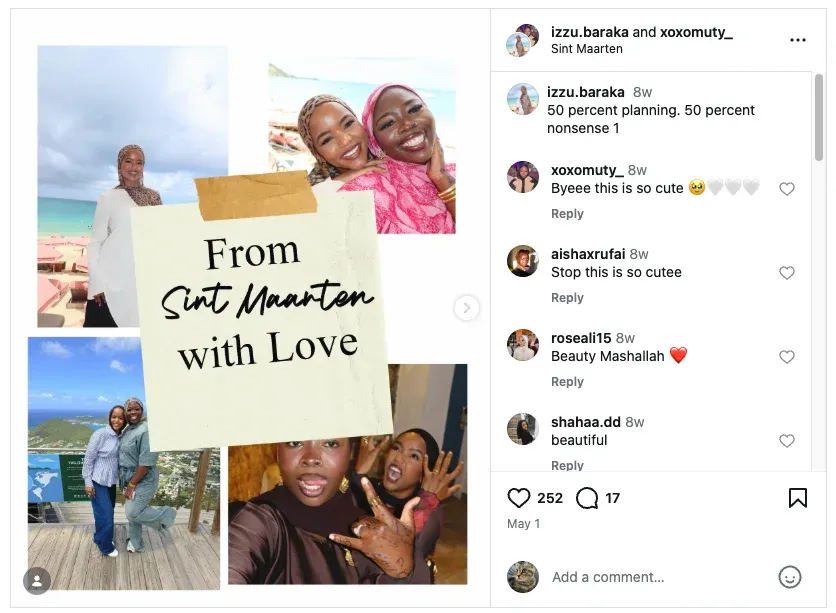
Because of their authenticity and close relationships with their communities, nano influencers are particularly effective for local businesses, niche products, product seeding campaigns, and brands seeking genuine word-of-mouth recommendations instead of maximum reach.
While many brands may consider nano-influencers inconsequential, they can be highly impactful for brands selling highly specialized, niche products.
Micro Influencers: Combining Expertise with Strong Engagement
Micro-influencers often specialize in specific industries or interests, allowing them to attract highly relevant audiences with shared passions and purchasing behaviors.
Creators such as makeup expert Jalyn Baiden (@jalynbaiden) and travel content creator Amber Dawn Hollenbeck (@amberofthenorth) represent this category by building engaged communities around specific interests rather than mass-market entertainment.
@jalynbaiden Can I tell y’all a secret? 🥹 I used to be so insecure about my eyebrows. ♬ original sound - Jalyn Baiden
Many brands consider micro-influencers one of the most cost-effective partnership options. Their combination of targeted reach, strong engagement rates, and affordable collaboration costs makes them ideal for product launches, niche campaigns, and growing businesses.
Macro Influencers: Expanding Reach at Scale
Macro influencers are known for their professional content creation, with higher production quality, established personal branding, and broader recognition across multiple platforms.
Examples such as fitness expert Hannah Eden (@hannaheden_fitness) and Finance content creator Jackie (@jackiethehappyinvestor) show how macro influencers can combine personal branding with large-scale audience reach while maintaining strong connections with followers.
Their larger audiences make macro influencers well-suited for regional or national campaigns focused on awareness. Although engagement rates may be lower than those of smaller creators, they provide significantly greater visibility for brands seeking broader exposure.
Mega Influencers: Maximizing Global Visibility
Mega-influencers include both internet-native creators and public figures who have developed enormous online communities across multiple social media platforms.
Content creators such as MrBeast (@MrBeast) and Alix Earle (@alixearle) are representatives of the mega-influencer category, with massive audiences built through entertainment-focused content across platforms including YouTube, Instagram, and TikTok.
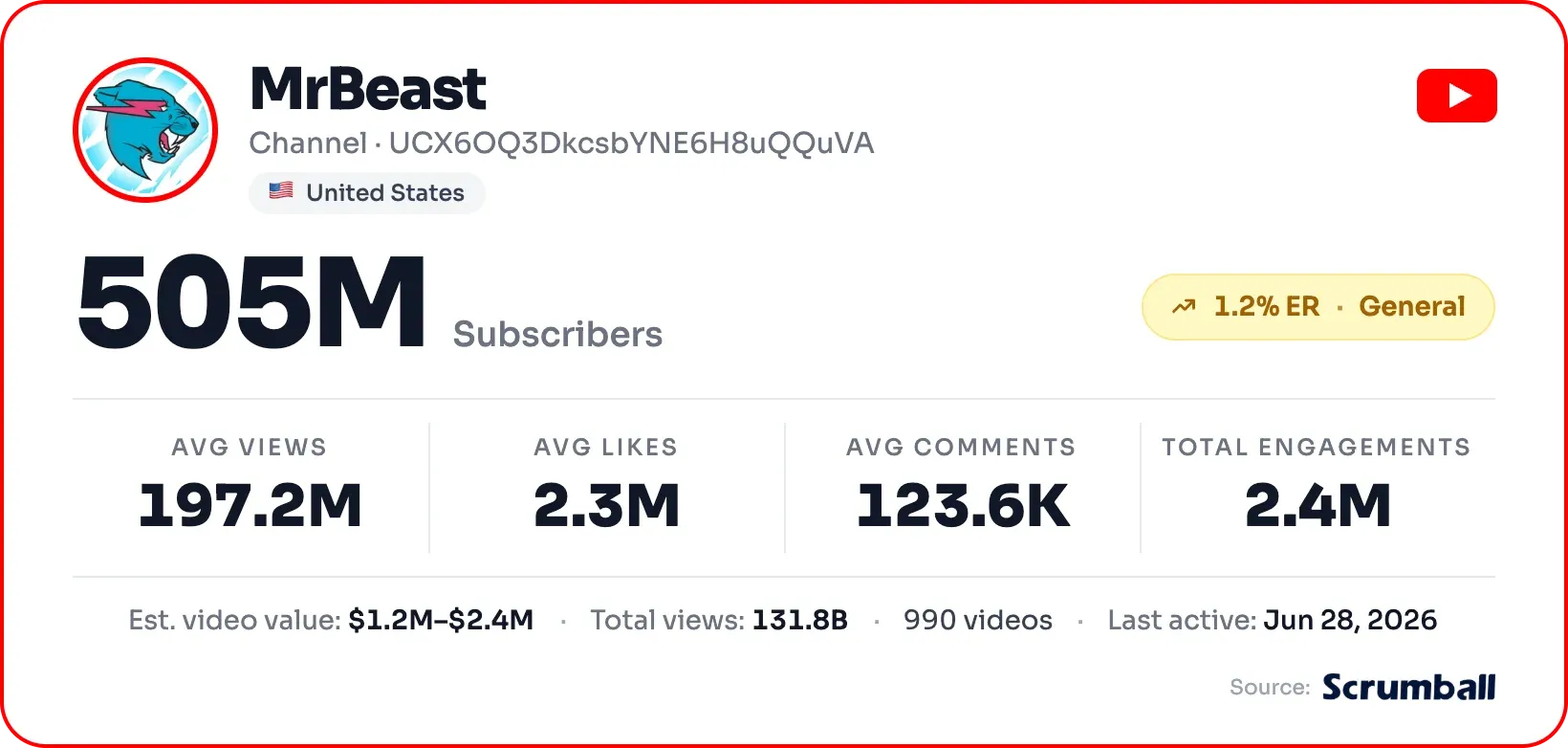
These creators are typically selected for large-scale campaigns designed to maximize visibility, media attention, and international awareness. Because collaborations often require substantial budgets, mega influencers are most commonly partnered with established global brands.
Types of Influencers by Content Niche
Follower count only tells part of the story. Influencers are equally defined by the subjects they consistently create content around. Each niche attracts audiences with specific interests, making niche relevance an important factor when brands evaluate potential partnerships.
Rather than choosing creators solely based on popularity, marketers often prioritize influencers whose expertise closely aligns with their products, industry, and target customers.
Fashion Influencers
Fashion influencers showcase outfit inspiration, seasonal trends, styling advice, and personal aesthetics through photos, videos, and short-form content. Their recommendations often influence purchasing decisions for clothing, footwear, accessories, and luxury products, as seen in creators like Alix Earle (@alixearle) and Jalyn Baiden (@jalynbaiden).
@alixearle OOTN for dinner 🙂↔️🌞
♬ original sound - ⋆˚࿔ alexis
Because fashion is highly visual, these creators frequently collaborate with apparel brands, designers, retailers, and luxury labels through sponsored campaigns, collection launches, and ambassador partnerships.
Beauty Influencers
Beauty influencers focus on skincare, makeup, haircare, and cosmetics by publishing tutorials, product reviews, comparison videos, and beauty routines. Their audiences value detailed demonstrations and honest opinions before purchasing products.
Creators such as Meredith Duxbury (@meredithduxbury), known for her bold makeup tutorials, and Cassie (@cassies_esthetics_), who shares skincare-focused content, illustrate the diversity within the beauty niche.
@cassies_esthetics_ What are you favorite skincare/ health related book?🤔 #lymphaticdrainage ♬ original sound - Cassie ✨Oregon Esthetician✨
Brands often partner with beauty creators to introduce new product launches, educate consumers on application techniques, and generate authentic user-generated content that increases consumer confidence.
Lifestyle Influencers
Lifestyle influencers share content across multiple aspects of everyday life, including home organization, wellness, productivity, relationships, shopping, and personal routines. Their broad content appeals to diverse consumer interests.
Because their audiences follow them for personality as much as expertise, lifestyle influencers frequently collaborate with brands across multiple industries, making them highly adaptable partners for integrated marketing campaigns. Muty (@xoxomuty_) is one creator who blends everyday lifestyle content with brand collaborations.
Travel Influencers
Travel influencers inspire audiences through destination guides, travel itineraries, hotel reviews, cultural experiences, and practical travel advice. Their content often combines storytelling with visually engaging photography and cinematic video. Ireland Travel Guide (@irishpix), for example, showcases destinations through immersive travel visuals and local experiences.

Tourism boards, airlines, hotels, booking platforms, and travel equipment brands regularly work with travel influencers to showcase destinations and encourage future travel planning.
Fitness Influencers
Fitness influencers educate and motivate audiences through workout demonstrations, exercise programs, nutrition guidance, and healthy lifestyle content. Many also document their own fitness journeys to build stronger connections with their audience.
Popular fitness creators like Hannah Eden (@hannaheden_fitness) demonstrate how workout education and motivational content can attract dedicated fitness communities.
Common partnerships include sportswear companies, nutrition brands, gyms, wellness apps, and fitness equipment manufacturers seeking audiences committed to active lifestyles.
Food Influencers
Food influencers create recipes, cooking tutorials, restaurant reviews, food photography, and culinary recommendations for audiences interested in cooking or dining experiences. Their content combines education, entertainment, and visual appeal.
One example is JENA (@jena), whose food-focused short videos highlight recipes and visually engaging culinary creations.
@jena Homemade Rasing Canes #easyrecipe #raisingcanes #fromscratch #foodie #easymealideas ♬ original sound - JENA
Tech Influencers
Tech influencers review smartphones, laptops, smart home devices, software, AI tools, and consumer electronics. Their detailed comparisons and hands-on testing help audiences evaluate products before making purchasing decisions.
Well-known tech creators such as Marques Brownlee (@mkbhd) have built large audiences by delivering in-depth, unbiased product reviews and industry insights.
Technology companies value these creators because they can explain complex features in accessible language while building trust through objective demonstrations and practical use cases.
Gaming Influencers
Gaming influencers entertain audiences through livestreams, gameplay videos, tutorials, esports commentary, and game reviews. Their communities are often highly engaged and spend significant time interacting during live broadcasts.
jacksepticeye (@jacksepticeye) remains one of the best-known examples of a gaming creator whose gameplay videos and commentary have helped shape online gaming culture.
Game publishers, hardware manufacturers, streaming platforms, and gaming accessory brands frequently partner with gaming influencers to launch new titles and expand player communities.
Finance Influencers
Finance influencers simplify topics such as budgeting, investing, saving, credit management, and personal wealth building. Their educational content helps audiences make more informed financial decisions through practical explanations.
Creators like Mark Tilbury (@marktilbury) have gained popularity by making personal finance concepts easier to understand through short, practical educational videos.
@marktilbury Ultimate Advice For Young People #motivation #motivationalspeech ♬ original sound - Mark Tilbury
Financial institutions, fintech companies, investment platforms, and educational services often collaborate with financial creators to increase financial literacy while responsibly introducing relevant products.
Health & Wellness Influencers
Health and wellness influencers promote healthier lifestyles through content focused on nutrition, mindfulness, sleep, stress management, and sustainable wellness habits. Many combine physical and mental well-being into a holistic approach.
Their partnerships commonly include wellness brands, supplement companies, healthcare providers, meditation apps, and healthy food businesses that align with evidence-based lifestyle improvement.
A well-known example is Yoga With Adriene (@yogawithadriene), whose accessible yoga sessions encourage both physical fitness and mental well-being.
Business & Entrepreneurship Influencers
Business influencers share insights on entrepreneurship, leadership, productivity, marketing, sales, career development, and company growth. Their audiences typically include founders, professionals, freelancers, and aspiring entrepreneurs.
Creators such as Steven Bartlett (@TheDiaryOfACEO) combine business advice with interviews and discussions that appeal to entrepreneurs and business leaders alike.
Software providers, educational platforms, consulting firms, and B2B service companies frequently collaborate with these creators to reach decision-makers seeking practical business knowledge.
Parenting Influencers
Parenting influencers create family-centered content covering child development, education, parenting experiences, family routines, and household organization. Their content often emphasizes authenticity and practical everyday advice.
For example, Laura Love (@lauralove5514) shares relatable family experiences and parenting content that resonates with parents navigating everyday life.
@lauralove5514 By the end he was like yeah.. let’s just throw the whole banana away 😂☠️ #parenting #montessori #momlife #minikitchen #kidscooking ♬ original sound - LauraLove
Brands serving parents and children—including toy manufacturers, educational services, childcare products, and family-focused retailers—partner with parenting influencers to reach highly relevant household audiences.
Influencers on Various Social Media Platforms
Different social media platforms encourage different content formats, audience behaviors, and discovery mechanisms. As a result, brands typically choose influencers based on where their target customers are most active rather than simply selecting creators with the largest followings.
Each platform offers unique marketing advantages. Understanding these differences helps businesses identify the most suitable social media influencer for their campaign objectives, content strategy, and target audience.
| Platform | Best Content Format | Typical Strengths |
|---|---|---|
| Photos, Reels, Stories | Lifestyle, fashion, beauty | |
| TikTok | Short-form videos | Viral discovery and entertainment |
| YouTube | Long-form videos | Tutorials, reviews, education |
| Articles, Posts, Professional videos | Industry Insights, B2B Networking, Recruiting | |
| X | Real-time updates | News and conversations |
| Twitch | Live streaming | Gaming and interactive communities |
Instagram Influencers: Visual Storytelling and Lifestyle Marketing
Instagram influencers excel at visual storytelling through carefully curated photos, Reels, Stories, and carousel posts. The platform emphasizes aesthetics, making it especially effective for industries where product presentation strongly influences purchasing decisions.
For example, lifestyle creator Patricia Bright (@patriciabright) is a well-known Instagram influencer who has built a strong presence on the platform through polished outfit breakdowns and everyday styling content that seamlessly integrates fashion and beauty recommendations into her feed.
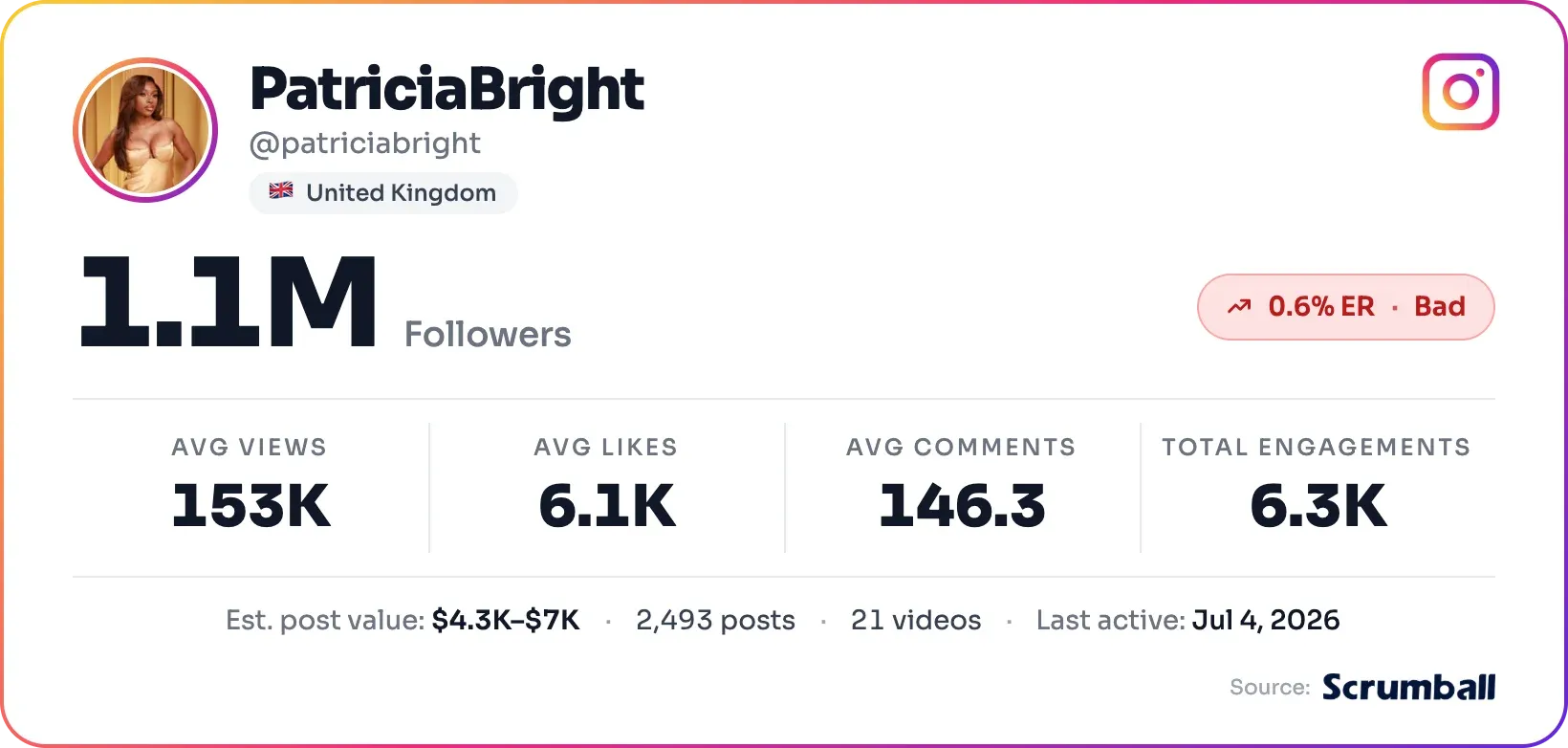
Fashion, beauty, travel, food, and lifestyle brands frequently prioritize Instagram partnerships because creators can naturally integrate products into everyday content. Features such as Stories, product tags, and collaborative posts also support both brand awareness and direct engagement.
TikTok Influencers: Driving Viral Reach Through Short-Form Video
TikTok influencers specialize in short, engaging videos that capture attention within seconds. The platform's recommendation algorithm gives creators significant opportunities to reach new audiences, even without massive follower counts.
Khaby Lame (@khaby.lame) stands out on TikTok for his silent comedic reactions, turning overly complicated “life hacks” into simple visual punchlines that resonate globally, while That Little Puff (@thatlittlepuff) has gained popularity by producing creative short-form videos that feature its pet cat in playful, food-themed scenarios.
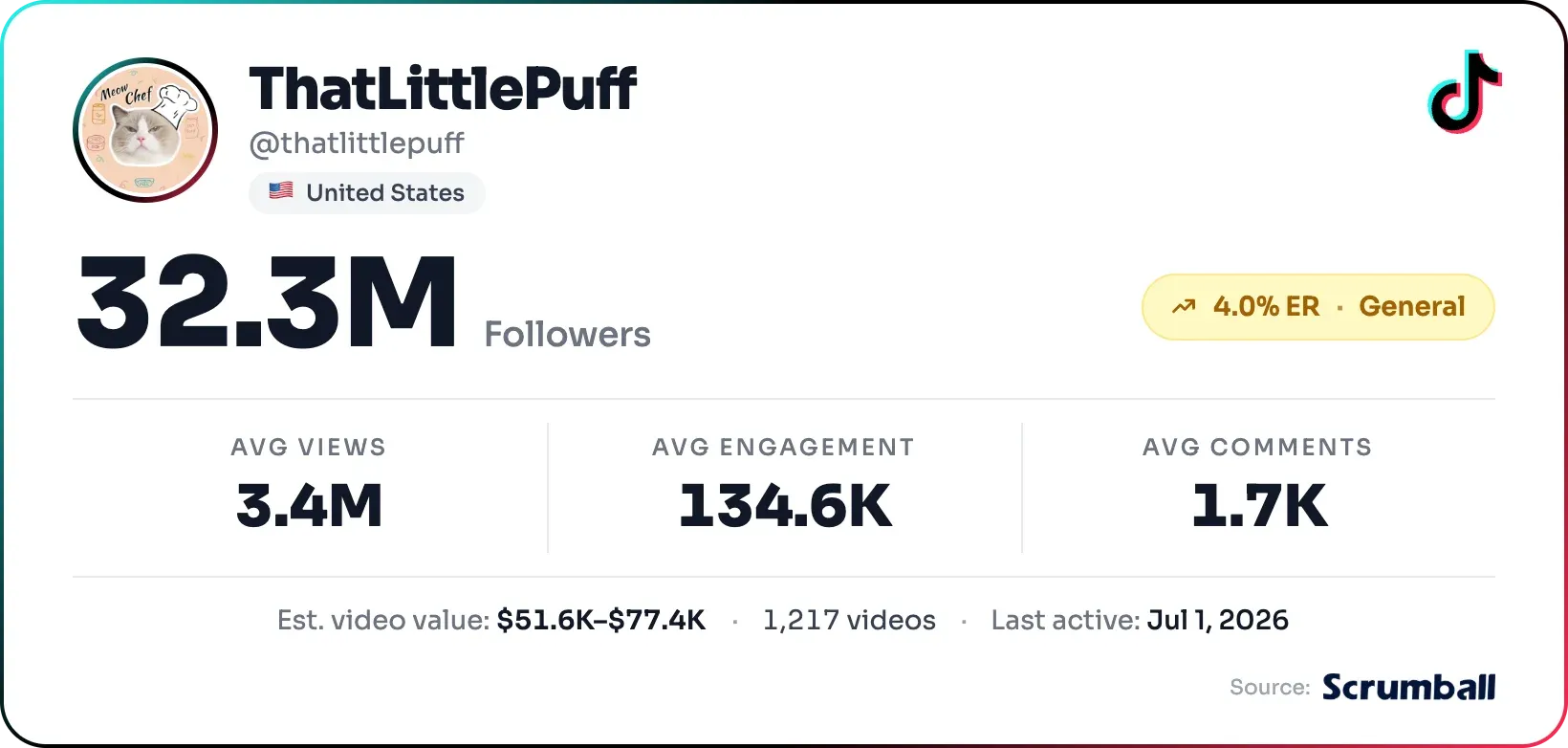
Brands often use TikTok influencers to launch products, participate in trending challenges, or create entertaining educational content. Authenticity and creativity generally outperform highly polished advertisements, making native-style content particularly effective.
YouTube Influencers: Building Trust Through In-Depth Content
YouTube creators produce longer videos that allow for detailed explanations, demonstrations, reviews, and tutorials. This extended format provides audiences with more information before making purchasing decisions, particularly for products that require careful evaluation.
For instance, iJustine (@iJustine) is widely recognized for her technology and lifestyle content, frequently showcasing hands-on reviews of consumer electronics, while Mrwhosetheboss (@Mrwhosetheboss) has become known for in-depth comparisons and analytical breakdowns of smartphones and other tech devices.
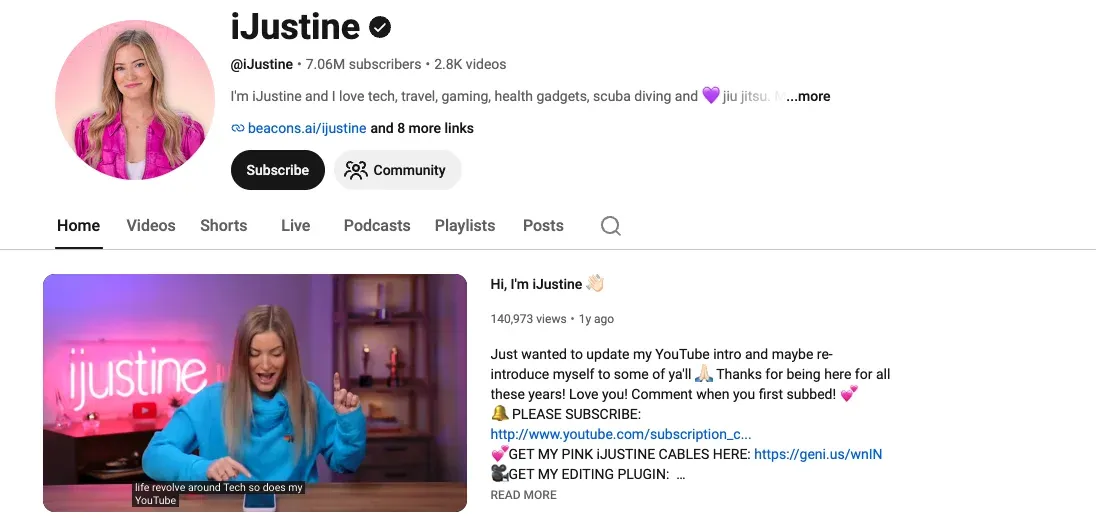
Technology, finance, education, and consumer electronics brands frequently partner with YouTube influencers because long-form content supports deeper storytelling and provides more opportunities to demonstrate product value through real-world use.
X Influencers: Real-Time Conversations and Industry Commentary
Influencers on X build their presence through timely discussions, breaking news, expert opinions, and ongoing conversations around current events. The platform rewards creators who consistently provide valuable perspectives while engaging with broader industry discussions.
Taking Eric Daugherty (@EricLDaugh) as an example, his presence on X is largely built around fast-paced news commentary, where he shares timely updates and actively engages in discussions around trending political and media topics.
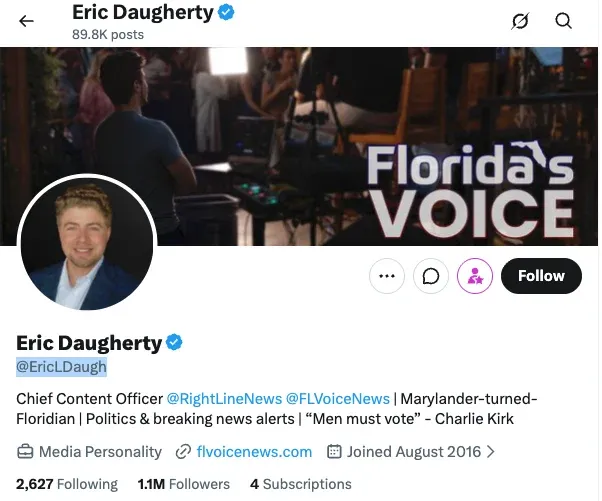
Brands use X influencers to amplify announcements, participate in trending conversations, and increase visibility during product launches or live events. Fast communication and active audience participation make the platform especially valuable for real-time marketing.
Twitch Influencers: Interactive Live Streaming Communities
Twitch influencers primarily create live content that lets audiences interact via chat while watching gameplay, creative projects, interviews, or live discussions. This real-time communication creates stronger community engagement than many traditional social platforms.
On Twitch, Kai Cenat (@KaiCenat) has become one of the most recognizable streamers, known for high-energy livestreams that blend entertainment, audience interaction, and viral moments that often extend beyond the platform.
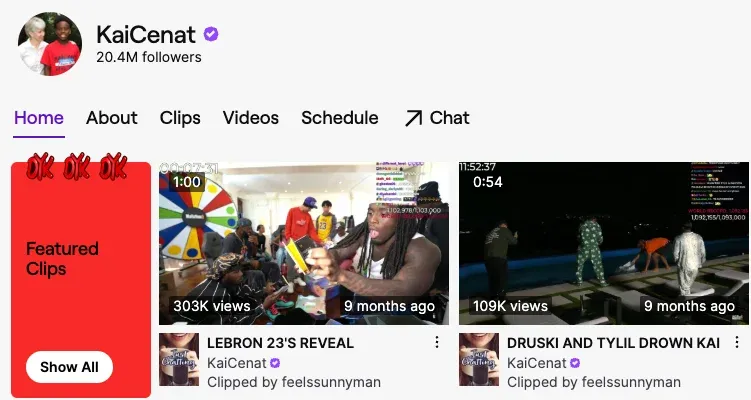
Although gaming remains Twitch's largest category, the platform now supports creators across music, technology, fitness, education, and creative arts. Brands benefit from highly engaged communities where products can be demonstrated, discussed, and experienced naturally during live broadcasts.
LinkedIn Influencers: Professional Expertise and Industry Authority
LinkedIn influencers focus on professional topics such as leadership, entrepreneurship, marketing, recruitment, technology, and career development. Their audiences typically include business professionals, executives, recruiters, and decision-makers seeking practical industry insights and valuable professional connections.
For example, Simon Sinek (@simonsinek) has built a strong following on LinkedIn by sharing practical perspectives on leadership, workplace culture, purpose-driven business, and organizational growth. His thought-provoking posts, videos, and articles consistently spark professional discussions, making him one of the platform's most recognizable voices for executives, managers, and aspiring leaders.
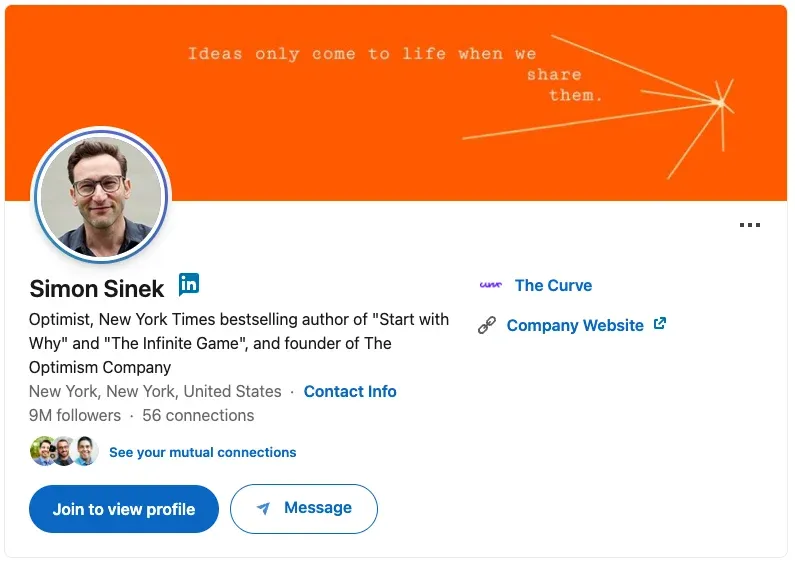
For B2B organizations, LinkedIn creators help establish credibility, thought leadership, and professional networks. Rather than promoting products through entertainment, they influence purchasing decisions by sharing expertise, case studies, research, industry insights, and professional experiences.
How Much Does It Cost to Work With an Influencer?
Published influencer rate benchmarks range from around $20 for some nano-influencer posts to $50,000 or more for mega-influencer placements. A full campaign may cost more once production, content rights, paid amplification, or multiple creators are included. The quoted post fee is only the starting point.
What Determines Influencer Pricing?
Two creators with the same follower count can quote very different prices. Brands are paying for audience access, creative work, and specific usage terms, not simply a number of followers.
- Audience size and fit: Larger reach often increases the fee, but a smaller creator with the right audience may offer more value for a focused campaign.
- Engagement and past performance: Creators with active communities or a record of driving clicks, sign-ups, or sales may charge more.
- Platform and format: A short Story usually costs less than a scripted video, livestream, or long-form YouTube integration because the production requirements differ.
- Deliverables and revisions: Additional posts, cross-platform versions, approval rounds, or short deadlines add work and raise the total cost.
- Usage rights: Reusing creator content in advertisements, on a website, or across other channels is normally priced separately from the original post.
- Exclusivity: Asking a creator not to work with competitors limits other earning opportunities, so longer or broader restrictions usually increase the fee.
What Should an Influencer Campaign Budget Include?
The creator fee is only one line in the campaign budget. Depending on the scope, brands may also need to account for:
- Free products/services, shipping, travel, props, or studio expenses
- Content production and agreed revision rounds
- Usage rights and paid media amplification
- Affiliate commissions or performance bonuses
- Agency, platform, payment, or campaign management costs
Before requesting quotes, define the campaign goal, platform, deliverables, deadline, approval process, usage period, and exclusivity terms. A clear scope makes proposals easier to compare and prevents a low initial quote from becoming an expensive campaign once additional costs are included.
Finding Creators Who Fit the Budget
The lowest quote does not automatically offer the best value. Start by identifying creators whose audience, niche, and content style match the campaign. You can then compare pricing within that qualified group instead of choosing between creators who offer very different levels of relevance.
For more specific benchmarks, see Scrumball’s guides to Instagram influencer rates and global brand ambassador compensation.
What Is the Role of Influencers in Modern Marketing of 2026?
Influencers give brands access to something advertising cannot create overnight: an established relationship with a specific audience. They help people discover products, understand how they fit into real life, and decide whether they are worth considering. Their role usually spans three stages of the customer journey.
Building Awareness Through Trusted Voices
Influencers introduce brands through content their followers already choose to watch. A product might appear in a tutorial, routine, comparison, or story rather than a standalone advertisement. That familiar format can make the message easier to notice and understand.
For broad awareness, larger creators can extend reach. For a specialized product, a smaller niche creator may be more useful because the audience already cares about the subject. The right choice depends on whether the campaign needs visibility, relevance, or both.
Connecting Brands With Relevant Communities
Influencer marketing becomes more precise when brands choose creators by audience fit rather than follower count alone. Niche, location, content style, audience demographics, and previous partnerships can all help determine whether a creator reaches the people a campaign is meant for.
Scrumball’s influencer discovery solution gives teams a more structured way to make that choice. Brands can search 180M+ profiles across TikTok, YouTube, and Instagram, then use filters and AI-assisted matching to narrow the shortlist around their campaign needs.
Turning Attention Into Action
Influencers support consideration and sales by showing products in context. Demonstrations answer practical questions, reviews highlight trade-offs, and tutorials show how a product works. This helps audiences move from knowing a brand exists to deciding whether it suits their needs.
Results still depend on alignment. A creator may attract plenty of views but little action if the audience, message, or offer is wrong. Brands should choose creators against the campaign objective, then track the signals that matter, from reach and engagement to clicks, sign-ups, or sales.
Conclusion
A social media influencer is more than someone with a large online following. True influence comes from consistently creating valuable content, building trust, engaging with communities, and developing expertise that audiences genuinely rely on when making decisions.
Understanding the role of a social media influencer requires looking beyond follower counts to the broader combination of skills, authenticity, niche expertise, and strategic marketing value. As social platforms continue to evolve, influencers will remain essential partners for brands seeking meaningful connections with highly engaged audiences.
FAQs about Social Media Influencers
What qualifies someone as a social media influencer?
Someone qualifies as a social media influencer when they can shape their audience's opinions or buying decisions, not simply when they pass a follower milestone. What sets them apart is a blend of genuine expertise in a niche, authentic and consistent content, real engagement with followers, and a recognizable personal brand that people come to trust over time.
How many followers do you need to be an influencer?
You don't need a specific follower count to be an influencer. Nano-influencers often start around 1,000 followers, yet influence depends far more on trust and engagement than on raw numbers. A creator with 3,000 loyal, engaged followers in a focused niche can drive more action than someone with 100,000 passive ones. Closeness now beats reach for many brands.
How much do social media influencers make?
Influencer income varies widely, from occasional free products to six-figure careers, depending on audience size, niche, engagement quality, and the types of partnerships secured. Nano-creators might earn a few hundred dollars per post, while top creators command far more.
Because there's no universal benchmark, it helps to look at ranges by tier and platform in our guide on how much social media influencers make.
How do you become a social media influencer?
To become a social media influencer, pick a niche you genuinely know, then publish valuable content consistently on the platforms where your target audience spends time. Engage authentically with followers, build a recognizable personal brand, and learn the basics of analytics so you can refine what works. Lasting growth comes from trust built steadily, not from a single viral moment.
Which social media platform is best for influencers?
The right platform depends on your niche and where your audience already spends time, not on any single ranking. Instagram suits visual fields like fashion, beauty, and travel; TikTok rewards short-form, discovery-driven video; YouTube supports in-depth tutorials and reviews; LinkedIn fits B2B; Twitch centers on gaming and live communities. Match the platform to your content style and goals.
Who was the first social media influencer?
There's no universally agreed-upon first, since the idea predates social media itself. Many marketers trace influencer collaborations back to 1760, when potter Josiah Wedgwood used a royal endorsement to sell his ceramics, as Social Media Today documents.
True social-media influencers emerged in the mid-2000s, as MySpace, blogs, and early YouTube gave everyday creators mass followings.
How do social media influencers make money?
Social media influencers make money through several streams rather than one. The most common are sponsored content, affiliate marketing commissions, and long-term brand ambassador deals. Many also earn platform advertising revenue, especially on YouTube, and sell their own digital products, courses, or merchandise.
Diversifying these sources creates steadier, more predictable income as an audience grows and gains authority.
What is an example of a social media influencer?
Examples span every tier and niche. MrBeast is a mega-influencer with hundreds of millions of followers, while Marques Brownlee (MKBHD) is a leading tech reviewer on YouTube.
Smaller nano and micro creators, such as focused skincare or fitness accounts, count just as much. What unites them is a trusted, engaged audience built around a clear area of expertise.