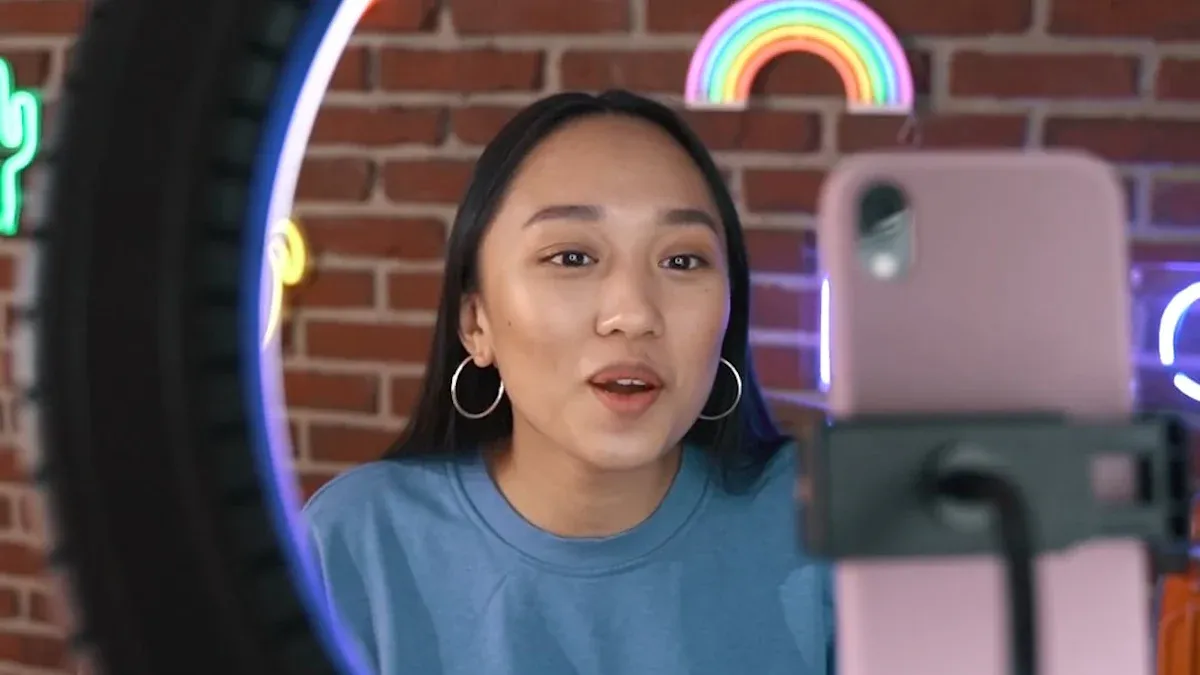
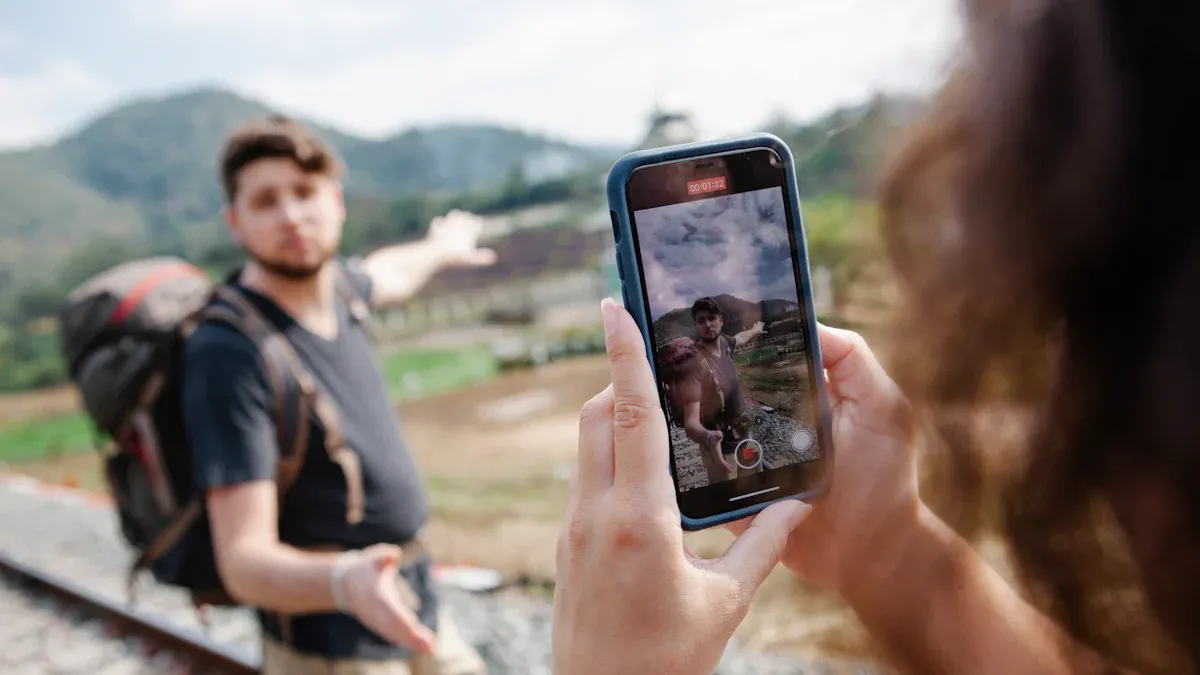
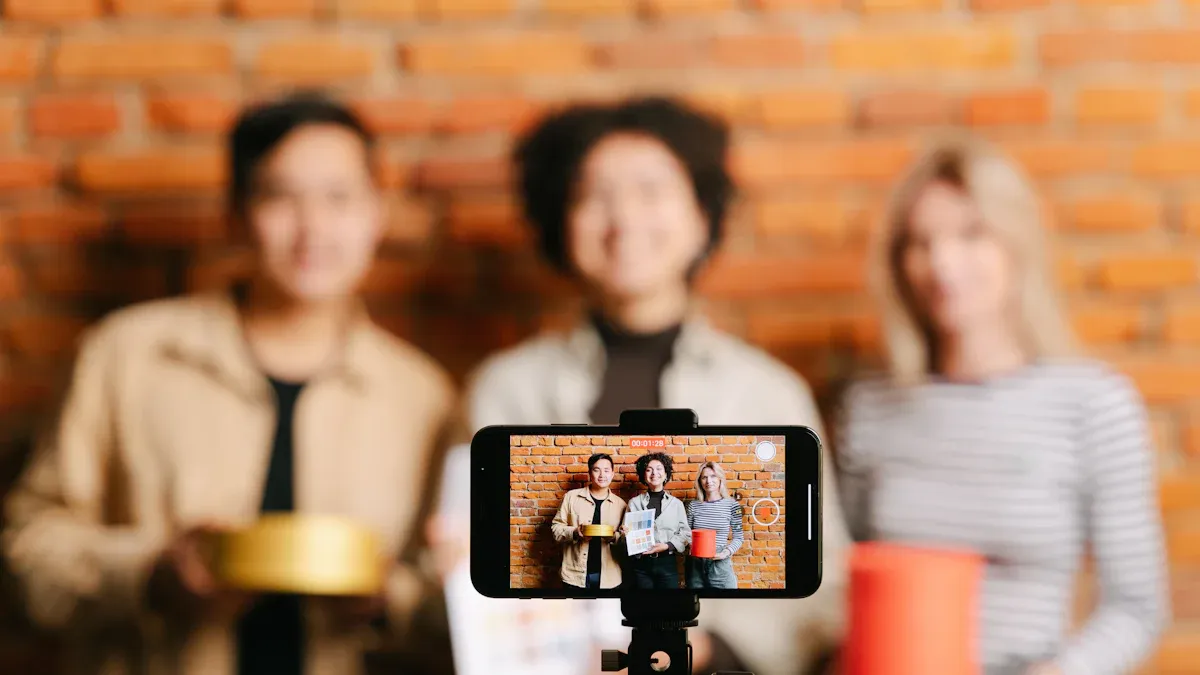
Have you noticed how social media influencers in India are transforming the dynamics of elections? With over 800 million internet users, platforms like Instagram and YouTube have emerged as influential tools for political campaigns. Social media influencers in India connect directly with voters, particularly younger, tech-savvy audiences, by crafting relatable and engaging content. They help amplify political messages, ignite discussions, and even motivate voter participation. For example, in Jammu and Kashmir, influencers significantly contributed to increasing voter turnout by spreading awareness through social media platforms. Their power to shape public opinion has made social media influencers in India essential players in modern elections.
Social media influencers in India have a unique ability to connect with both urban and rural audiences. With over 524 million people forming the country’s digital population, nearly 93% of internet users actively engage on at least one social media platform. This massive reach allows influencers to bridge the gap between city dwellers and rural communities. Whether it’s a YouTuber discussing local issues or an Instagram creator sharing relatable content, influencers bring political messages to every corner of the country.
The time Indians spend on social media has skyrocketed to 10,000 million hours per month. This means you’re likely to see influencers addressing topics that matter to you, no matter where you live. Political campaigns leverage this engagement to ensure their messages resonate with diverse groups, making social media a powerful tool for voter outreach.
What makes influencers so effective? It’s their ability to build trust. Unlike traditional celebrities, influencers interact directly with their followers. They respond to comments, share personal stories, and create a sense of connection. This approach makes them more approachable and relatable.
Micro-influencers, in particular, excel at this. They often achieve higher engagement rates than larger influencers, making them ideal for connecting with niche audiences. For instance, brands like MyGlamm and Nykaa have successfully used micro-influencers to create relatable campaigns. Similarly, political campaigns tap into this strategy to foster trust and relatability among voters.
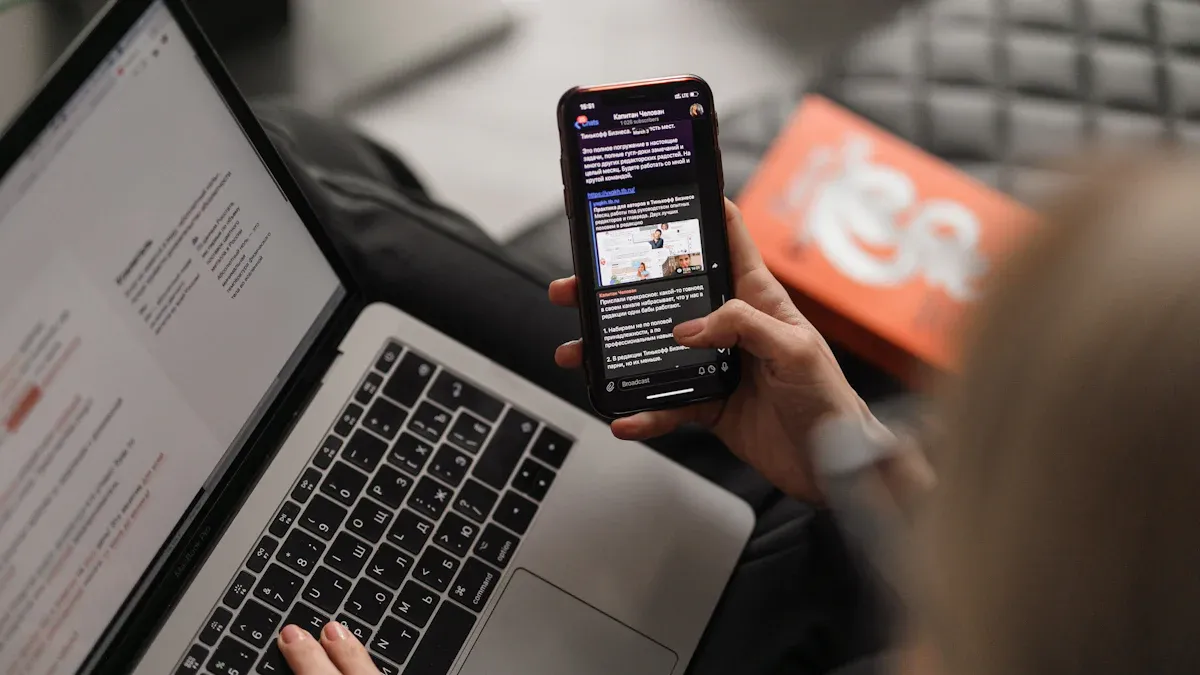
Platforms like Instagram, YouTube, and Twitter have become essential for political outreach. India, with its 800 million internet users, is the largest user base for these platforms. Influencers don’t just share content—they actively shape political narratives. They connect with younger voters who often trust them more than traditional media.
Political parties, including the BJP and Congress, collaborate with influencers to promote their agendas. These partnerships include ministerial interviews, themed posts, and even live Q&A sessions. By doing so, influencers amplify political messages and make them more credible.
Social media influencers excel at spreading messages in real time. When a political leader announces a new policy, influencers can instantly share their thoughts, creating immediate buzz. This real-time engagement keeps voters informed and involved.
Sanjay Jha, a political expert, highlights how social media allows users to interact with content by liking and sharing. This interactive nature makes platforms like Instagram and YouTube more engaging than traditional media. Political campaigns now rely heavily on these platforms to reach voters directly, marking a significant shift from traditional rallies to digital strategies.
Political parties in India have embraced influencer-based campaigning to amplify their election strategies. You’ve probably seen influencers sharing sponsored posts or hosting live sessions with political leaders. These collaborations make politics more accessible and relatable. For instance, the BJP has organized influencer meets where creators discuss party policies and achievements. Influencers often recreate these experiences and share them with their followers, creating a ripple effect of engagement.
The Congress party, on the other hand, works with like-minded influencers to promote their messages. These partnerships don’t always focus on direct endorsements. Instead, they aim to align with the influencer’s values, making the content feel more authentic. Such strategies help political parties tap into the digital reach of influencers, ensuring their messages resonate with a broader audience.
Live Q&A sessions with political leaders have become a popular trend. Imagine watching your favorite influencer interview a minister about pressing issues. These sessions allow voters to see a more human side of politics. They also encourage real-time interaction, making the election-related campaign feel more engaging. The BJP, Congress, and even regional parties like the Bharat Rashtra Samithi have used this approach to connect with voters during general elections.
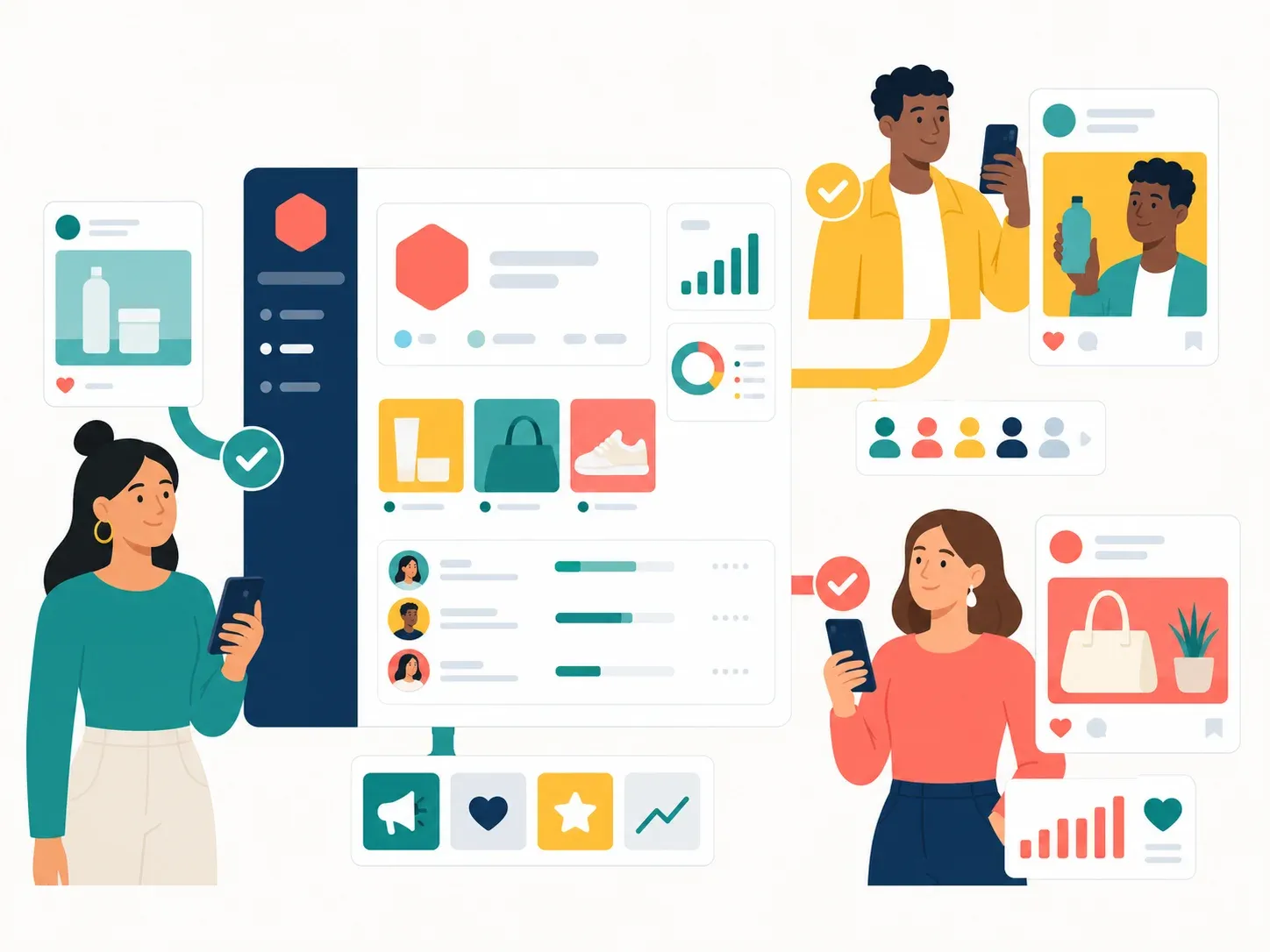
Micro-influencers are the unsung heroes of election campaigns. They might not have millions of followers, but their smaller, loyal audiences trust them deeply. Political parties use these influencers to target specific communities. For example, a local influencer might promote a candidate’s initiatives in their region, making the message more relatable. This strategy enhances credibility and ensures the campaign reaches the right people.
Micro-influencers also offer a cost-effective way to mobilize support at the grassroots level. Unlike big-name influencers, they charge less but deliver high engagement. This makes them ideal for local campaigns where budgets might be tighter. By focusing on niche audiences, political parties can maximize their impact without overspending.
Let’s talk about some real-life examples. During the 2019 Lok Sabha elections, the BJP collaborated with Bollywood stars like Amitabh Bachchan and Akshay Kumar to promote their agenda. Meanwhile, Congress took a different route, working with non-mainstream celebrities to connect with specific demographics.
Another standout campaign was Meesho’s #IVoted initiative. Although not directly tied to a political party, it encouraged people to share their voting experiences. The campaign achieved over 120 crore impressions, proving the power of influencer-based campaigning in raising awareness about voting.
Of course, not everything about influencer involvement in elections is rosy. Issues like misinformation and biased narratives have sparked controversies. Some influencers have faced backlash for promoting paid content without proper disclosure. These incidents highlight the need for transparency and accountability in influencer activities. They also serve as a reminder that authenticity is key to maintaining trust in election campaigners.
Younger voters often find politics overwhelming or disconnected from their daily lives. Social media influencers in India are changing that. They break down complex political issues into bite-sized, relatable content. By personalizing political messages, influencers make them easier to understand and more engaging for the youth. For instance, they create short videos or memes that explain policies or highlight key election issues. This approach resonates with younger audiences who might otherwise ignore traditional political content.
Influencers also amplify political messages in ways that traditional media cannot. They reach urban and tech-savvy demographics, making politics feel more accessible. Political parties collaborate with influencers to ensure their campaigns connect with younger voters. This strategy not only simplifies politics but also boosts voter engagement among the youth.
Have you noticed campaigns urging you to register to vote? Influencers play a big role in these initiatives. They use their platforms to promote voter registration drives, often with creative and inspiring messages. For example, during the 2024 Lok Sabha elections, brands and influencers launched campaigns to foster civic engagement. These efforts encouraged citizens to take part in the democratic process.
The slogan "no voter to be left behind" has gained traction, thanks to influencers spreading mass awareness. Their relatability and cultural relevance motivate people to act. By making voter registration seem easy and essential, influencers significantly impact voter turnout.
Viral trends can sway undecided voters. Influencers often create engaging content that sparks debates or highlights pressing issues. These trends act as conversation starters, helping voters form opinions. For example, influencers generate informed discussions on policies or candidates, guiding their followers toward making decisions.
Political parties recognize this power. They work with influencers to reach urban and youth demographics, ensuring their messages resonate. By shaping public perception, influencers play a crucial role in mobilizing voter support.
Influencers don’t just inform; they inspire action. Their endorsements and engaging content create political momentum, especially during general elections. In Karnataka, for instance, influencer campaigns helped increase voter turnout to 72%. Political parties allocate significant budgets to influencer marketing because it works. Platforms like Instagram and YouTube become battlegrounds where influencers rally support and energize voters.
In a young nation like India, influencers shape electoral narratives and drive voter engagement. Their ability to connect with diverse audiences ensures that your vote, your right, becomes more than just a slogan—it becomes a movement.
You’ve probably seen posts on social media that make you pause and wonder, “Is this even true?” That’s the tricky part about influencers during elections. They can unknowingly spread misinformation or online misinformation, creating confusion among voters. Mishi Choudhary, a technology lawyer, explains that people often believe something is true just because it’s widely shared. Political actors take advantage of this, using influencers to push narratives that may not be entirely accurate. For instance, in Tamil Nadu, AI-generated videos of Modi singing Tamil songs went viral. While entertaining, such content can subtly shape opinions, especially among younger voters.
Fact-checking influencer content is no easy task. Platforms like Meta are stepping up by giving fact-checkers better tools. They’ve introduced keyword detection and onboarded partners to their Content Library for faster verification. Projects like Shakti have also made strides, producing over 6,600 fact checks in just three months. Despite these efforts, the sheer volume of content shared by influencers makes it hard to catch every false claim.
When influencers promote political campaigns, you deserve to know if they’re being paid. In India, this isn’t always clear. Reports show that some influencers receive compensation for their posts, but monitoring this is tough. The Election Commission of India has issued guidelines to enforce transparency, yet many campaigns still operate in a gray area. Without proper disclosure, it’s hard to tell if an influencer genuinely supports a cause or is just doing a paid promotion.
Endorsing political candidates comes with its own set of challenges. Third-party spending on digital campaigns can give certain parties an unfair advantage. The Election Commission has tried to address this by encouraging influencers to disclose their affiliations. However, tracking campaign money spent on influencers remains a challenge. This lack of accountability raises questions about the fairness of elections.
Social media influencers in India often cater to specific audiences, which can unintentionally reinforce existing biases. Their content amplifies political messages, creating echo chambers where people only hear opinions they already agree with. This limits exposure to diverse viewpoints, making it harder for voters to form balanced opinions.
Polarization is another big concern. Studies show that influencers can deepen divisions among voters. Between 2016 and 2020, researchers observed a rise in polarized ideologies among influencers and their followers. New influencers entering the scene often adopt more extreme views, further fueling divisive narratives. This trend risks turning elections into battles of ideology rather than discussions about real issues.
Have you noticed how artificial intelligence (AI) is changing the way elections are run? AI is already playing a big role in Indian political campaigns. It helps parties create personalized content for different voter groups. For example, AI-generated videos have been used to revive the voices of past leaders, stirring emotions and boosting voter participation. AI also makes it easier to scale messages across a diverse electorate, ensuring no one feels left out.
Regional influencers are another game-changer. They connect with local communities in ways that national influencers can’t. Their deep understanding of regional issues makes them powerful allies for political campaigns. By combining AI with regional influencers, parties can create highly targeted campaigns that resonate with voters on a personal level.
In a country as diverse as India, language matters. You’ve probably noticed how content in regional languages feels more relatable. Political campaigns are catching on to this trend. They’re working with influencers who create vernacular content to reach voters in their native languages. This approach not only widens the campaign’s reach but also makes the message more impactful. For a young and ever-online India, vernacular content ensures that no voter feels excluded from the conversation.
Transparency is key to fair elections. You deserve to know if an influencer is being paid to promote a political message. The Election Commission of India (ECI) is working on stricter norms to ensure this happens. For instance, they’re encouraging political parties to disclose their online campaign expenses. They’re also considering penalties for those who don’t follow the rules. These measures aim to make influencer involvement more transparent and trustworthy.
The ECI plays a crucial role in keeping elections fair. They’ve already issued guidelines to promote transparency in digital campaigns. However, monitoring the funds spent on influencers remains a challenge. Experts suggest that the ECI should adopt advanced tools to track online activities. By doing so, they can ensure that campaigns remain ethical and free from undue influence.
Social media influencers are shaping how young voters engage with politics. They simplify complex issues and make elections more relatable. This approach not only boosts voter participation but also prepares the next generation to be more informed and active citizens. In a digital-first world, influencers are helping young voters see the importance of their role in democracy.
With great power comes great responsibility. Influencers have the ability to sway public opinion, but this influence must be balanced with accountability. Regulatory frameworks are essential to ensure that influencers act ethically. By promoting transparency and combating misinformation, we can maintain the integrity of elections while leveraging the power of influencers.
Social media influencers are changing how elections work in India. They connect with people in ways traditional campaigns can’t, making them essential for modern politics. But with great influence comes responsibility. Tackling issues like misinformation and ethical concerns is critical. Some strategies include forming voluntary groups to address election-related misinformation and creating local communities to set fair guidelines.
As more Indians spend time online, influencers will play an even bigger role. New technologies like augmented reality could make campaigns more interactive. With these changes, influencers will continue shaping elections while helping you stay informed and engaged.
Social media influencers connect voters with political campaigns. They simplify complex issues, amplify messages, and engage younger audiences. Their relatable content makes politics more accessible and encourages voter participation.
Parties select influencers based on their audience demographics, engagement rates, and regional reach. Micro-influencers often target niche communities, while larger influencers amplify messages to broader audiences.
Yes! Influencers promote voter registration drives and create awareness campaigns. Their relatable content motivates people, especially younger voters, to participate in elections.
Tip: Follow influencers who share verified and balanced information to stay informed during elections.
Absolutely. Influencers can unintentionally spread misinformation or reinforce biases. Transparency and accountability are crucial to ensure ethical practices in political endorsements.
Look for disclosure tags like #Ad or #Sponsored in posts. The Election Commission of India encourages transparency, so influencers should clearly state if they’re promoting paid content.
Note: Always fact-check political content, even from trusted influencers, to avoid misinformation.
Exploring TikTok's Influence on Modern Social Media Trends
Key Influencer Marketing Trends You Should Follow in 2024
Understanding TikTok Influencer Marketing: Its Functionality Explained
Defining the Concept of a TikTok Influencer Today
Comprehensive Guide to Choosing the Right Influencer Platform