
Micro influencers now play a central role in influencer marketing, especially for brands that want a relevant audience rather than maximum reach. Their smaller but highly engaged communities can help brands build trust, generate authentic content, and influence purchasing decisions within specific niches.
Understanding what micro influencers are, and how this creator tier differs from nano, macro, and mega influencers, helps brands choose partnerships that match their campaign goals. This guide covers micro influencer definition, characteristics, key benefits, partnership strategies, and the metrics brands should use to evaluate performance.
Key Takeaways
- A micro influencer is a social media creator with roughly 10,000 to 100,000 followers who focuses on one niche.
- Brands work with them for higher engagement, more targeted audiences, authentic recommendations, and a lower cost per creator.
- They sit between nano and macro creators, trading some audience size for closer relationships and relevance.
- Finding the right ones takes a structured process: targeted discovery, personalized outreach, the right collaboration model, and continuous performance tracking.
- Typical sponsored-post rates run from about $100 to $3,000, depending on follower count and campaign scope.
What Is a Micro Influencer?
Micro influencers occupy a middle tier between nano and macro creators. Their value comes from more than audience size. Niche expertise, strong engagement, and close relationships with followers matter just as much.
Micro Influencer Definition and Follower Range
A micro influencer is a social media creator who typically has between 10,000 and 100,000 followers and focuses on a specific niche or audience segment. Unlike celebrities with broad appeal, micro influencers often build communities around interests such as beauty, fitness, fashion, food, technology, or lifestyle.
Their influence comes from relevance and relationship quality. Because they regularly interact with followers and create content around specialized topics, their recommendations can feel more personal and credible. This makes them valuable partners for brands targeting specific consumer groups.
Micro Influencer vs. Nano, Macro, and Mega Influencers
Before choosing a creator tier, brands should understand how each category differs in audience size, community characteristics, and typical marketing applications.
| Influencer Tier | Typical Followers | Audience Characteristics | Common Marketing Use Cases |
|---|---|---|---|
| Nano | 1K-10K | Highly personal, localized, niche | Community engagement, product seeding |
| Micro | 10K-100K | Niche, engaged, targeted | Engagement, conversions, targeted campaigns |
| Macro | 100K-1M | Broad but established | Brand awareness, large-scale campaigns |
| Mega | 1M+ | Very broad, mass-market | Maximum reach, major awareness campaigns |
Overall, micro influencers offer a practical balance between audience scale and relationship depth. For brands prioritizing relevance, engagement, and efficient spending, a micro influencer is often a stronger choice than simply picking the creator with the largest following.
Why Do Brands Work with Micro Influencers?
The growing popularity of micro influencers reflects a shift toward quality of audience and engagement rather than follower count alone. Several characteristics make this creator tier particularly attractive to brands.
Higher Engagement Rates
Micro influencers often maintain closer relationships with their followers than larger creators. Their audiences are usually built around specific interests, making followers more likely to interact with posts, ask questions, and respond to recommendations.
Higher engagement can make campaigns more meaningful because brands are not simply paying for impressions. Comments, shares, saves, and conversations can indicate that the content is actually resonating with the intended audience.
More Targeted Audiences
Many micro-influencers specialize in clearly defined niches. A fitness creator, for example, may reach an audience primarily interested in workouts, nutrition, and active lifestyles, while a beauty creator may attract followers interested in skincare, makeup, and personal care.
This specialization helps brands reach consumers more likely to be interested in their products. Instead of maximizing exposure to an undifferentiated audience, brands can select creators whose communities closely match their target customers, resulting in more relevant reach, stronger audience engagement, and greater campaign efficiency.
Greater Trust and Authenticity
Micro-influencers frequently communicate with followers through comments, direct interactions, and community-focused content. These repeated interactions can make their recommendations feel more personal than traditional mass-market advertising.
That perceived authenticity can also influence purchasing decisions. Followers may view a niche creator as someone whose experience and opinions are relevant to their own needs, particularly when the creator consistently produces useful content within the same category.
More Cost-Effective Campaigns
Working with micro-influencers generally requires less investment per creator than partnering with macro or mega influencers. This enables brands to spread their budgets across multiple creators, diversify campaign exposure, and reach different audience segments without committing most of their budget to a single partnership.
For brands with limited budgets, this flexibility also supports more efficient campaign testing. Brands can compare creators, audiences, and content formats, identify which partnerships generate the strongest engagement or conversions, and then allocate more budget to the highest-performing collaborations.
How to Find and Partner with Micro Influencers?
Effective micro influencer marketing requires more than finding creators with 10K-100K followers. Brands need a structured process covering discovery, outreach, collaboration, and performance measurement.
Find the Right Micro Influencers
Brands can use several approaches to find suitable micro influencers, ranging from manual research to scalable databases and AI-powered discovery tools.
- Manual research involves searching social platforms using relevant hashtags, keywords, competitor collaborations, and niche communities. While flexible and useful for initial exploration, this method can become time-consuming when brands need to evaluate dozens or hundreds of creators.
- Influencer databases provide a more scalable alternative by allowing marketers to search creator profiles using audience, platform, niche, and performance data. A large, searchable database makes it much easier to narrow a long list down to genuinely relevant candidates.
- AI-driven discovery can further accelerate creator selection by analyzing creator and audience data to surface relevant matches. Scrumball's influencer discovery tool pairs advanced search filters with automated matching, helping brands use AI-powered influencer discovery to get better brand matches while reducing manual evaluation time.
Regardless of the discovery method, brands should assess audience relevance, engagement quality, content alignment, and historical performance alongside follower count. This ensures selected creators can deliver genuine audience fit and meaningful campaign value.
Reach Out to Micro Influencers
Once suitable creators are identified, the next challenge is building connections at scale. Working with multiple micro influencers can quickly entail a high volume of outreach, follow-ups, negotiations, and ongoing communication, making a structured process essential to keeping partnerships efficient and organized.
Brands can streamline this process by using personalized batch communication, automated follow-ups, and organized workflows while still maintaining relevant, creator-specific messaging. Scrumball's automatic outreach helps brands scale personalized outreach, automate follow-up sequences, and manage creator communication more efficiently across multiple partnerships.
For a more effective outreach strategy, brands should also consider when to contact creators, what information to include, and how to encourage responses. Scrumball's guide to influencer outreach provides practical guidance on improving creator communication and building stronger partnerships.
Once collaborations are established, an influencer management system can centralize creator profiles, collaboration status, campaign details, and communication history. This gives teams better visibility into each partnership, reduces fragmented workflows, and makes it easier to coordinate multiple micro influencers throughout the campaign lifecycle.
Choose the Right Micro Influencer Collaboration Types
Micro influencers can support a range of collaboration models, giving brands flexibility to structure partnerships around different campaign goals. The key is to select a model that aligns creator incentives, campaign objectives, and the type of results the brand needs.
- Multi-creator campaigns: Brands can collaborate with multiple micro influencers simultaneously instead of investing in one larger creator. This approach expands reach across several relevant communities while maintaining the authenticity and niche relevance associated with micro influencers.
- Long-term partnerships over one-off campaigns: Rather than relying exclusively on one-off sponsored posts, brands can build ongoing relationships with high-performing micro influencers. Over time, these creators can become trusted advocates who develop a deeper understanding of the brand and consistently communicate its value to their audiences.
- Product seeding and affiliate collaborations: Gifting products and affiliate partnerships can be particularly effective with micro influencers. These models can reduce upfront costs while encouraging authentic product recommendations and creating opportunities to connect creator activity directly with measurable performance.
Brands should choose collaboration types based on campaign goals. For example, multi-creator seeding can build awareness, affiliate programs can prioritize conversions, and long-term ambassador partnerships can sustain brand advocacy.
Measure Micro Influencer Campaign Performance
Performance tracking should reflect both the collaboration model and the campaign objective. A single metric rarely captures the full impact of a micro influencer campaign. Brands should monitor primary metrics based on the collaboration types:
- For multi-creator campaigns, brands can monitor reach, impressions, engagement, and audience growth.
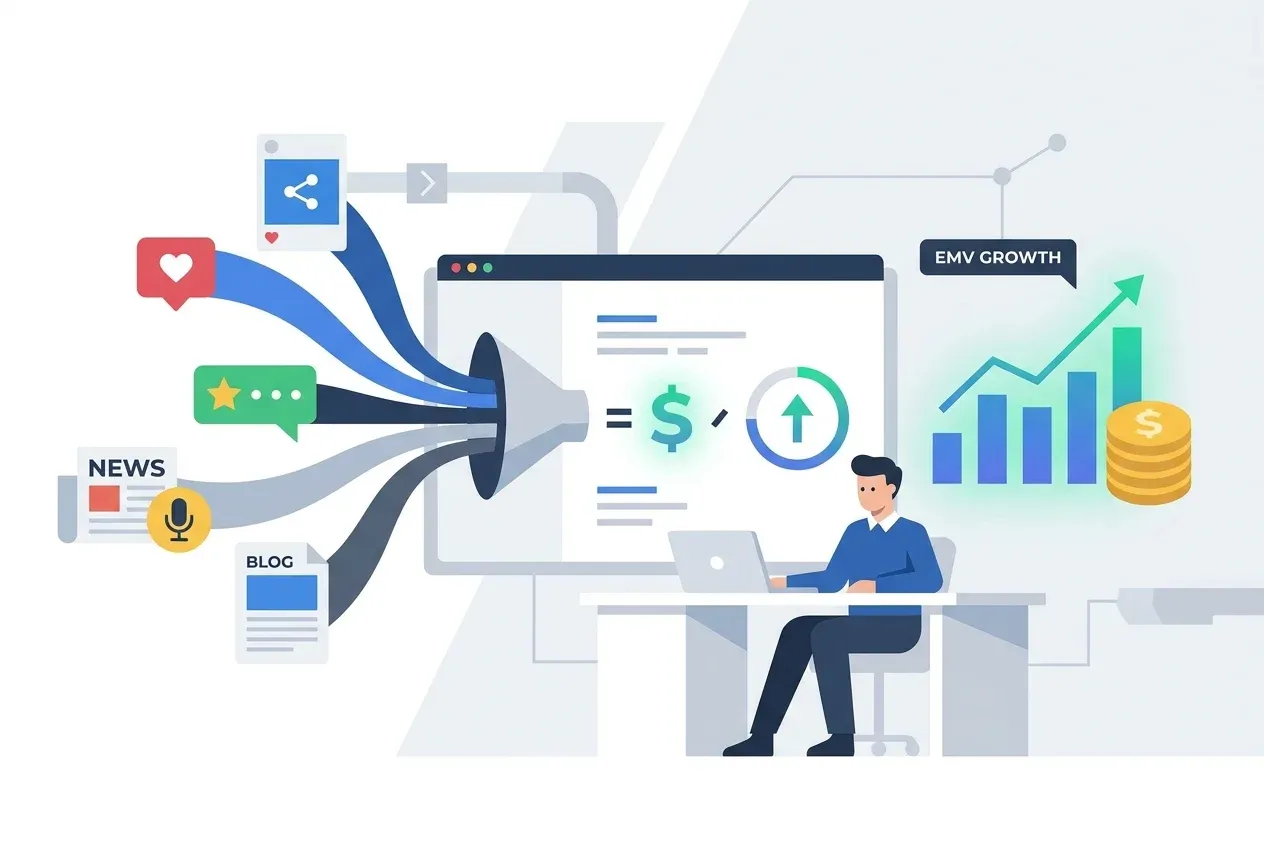
- For product seeding, useful indicators include UGC volume, engagement, creator participation, and earned media value (EMV).
- For affiliate collaborations, clicks, conversions, sales, and ROI are more directly relevant.
- For long-term partnerships, brands can evaluate repeat collaborations, audience sentiment, customer loyalty, and sustained engagement.
An AI-powered platform, such as Scrumball's performance tracking solution, can make this process more efficient by consolidating creator, content, sales, and campaign data into a centralized view. It helps brands monitor campaign and creator performance, analyze revenue and cost data, track individual content, and identify trends that can inform optimization decisions.
Successful micro-influencer partnerships require a structured process from discovery to optimization. Brands that combine relevant creator selection, organized campaign management, and performance tracking can make better decisions and maximize the value of their influencer marketing investment. For a broader framework, see How to Do Influencer Marketing in 2026: The Ultimate 6-Step Guide.
Real Examples of Micro Influencer Marketing
Wild: Authentic Product Seeding with Beauty Micro Influencers
Industry: Sustainable personal care
Campaign: In 2025, Wild partnered with beauty creator Michelle Edit (@themichelleedit) to showcase its refillable deodorant on Instagram. Her content presented the product from an everyday beauty and personal care perspective, highlighting the formula, packaging, and refillable format. The collaboration also used a creator-specific discount code to connect authentic product content with potential purchases.
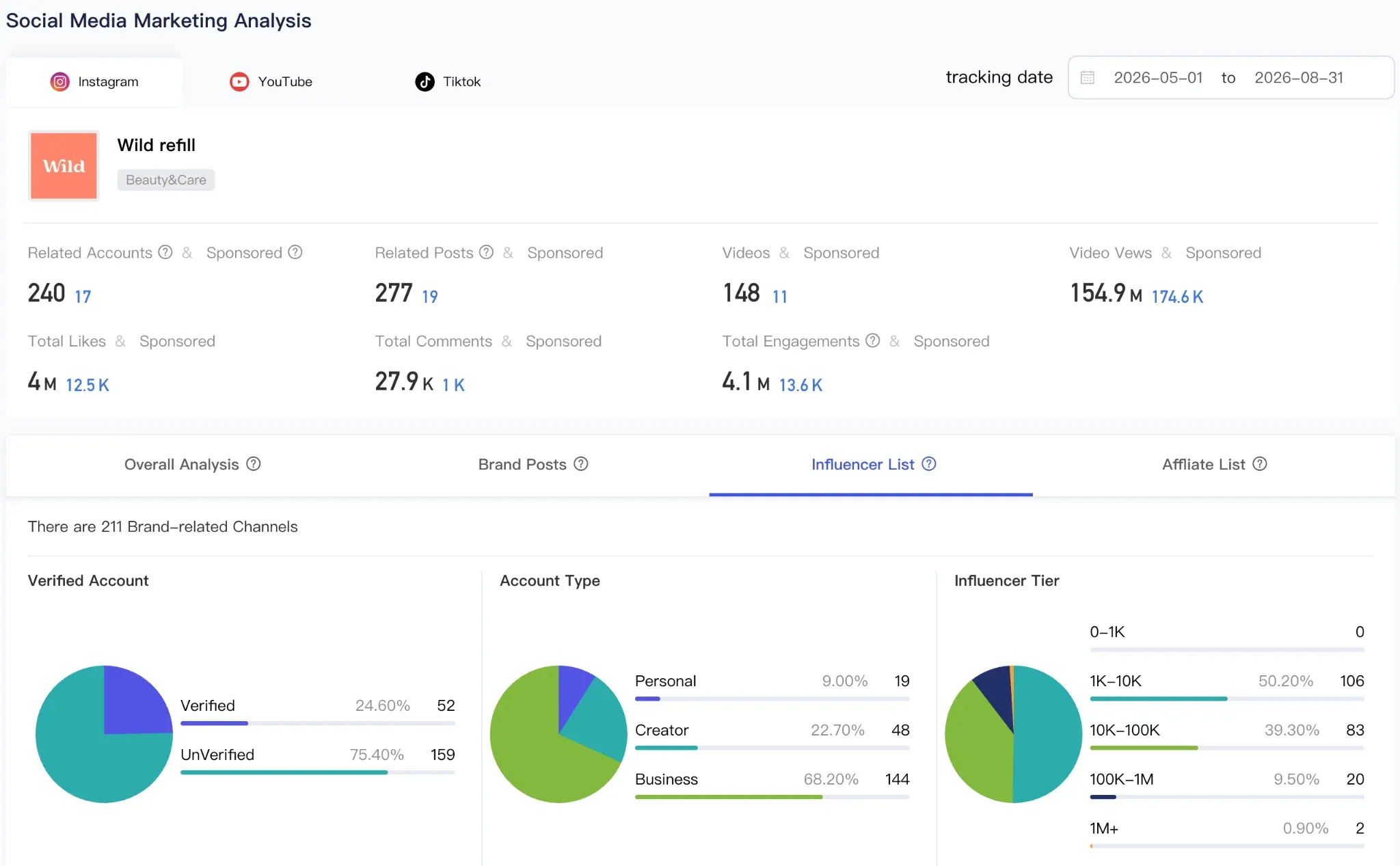
Why it works: Wild’s product depends heavily on consumers' understanding and trust in a relatively unfamiliar refillable format. A beauty micro-influencer can demonstrate the product naturally within an established personal-care routine, making the recommendation more relatable while the discount code gives interested followers a clear path to purchase.
Alani Nu: An Ambassador Program Built on Events and NIL Athletes
Industry: Energy drink/wellness
Campaign: Alani Nu’s A-Team combines collegiate ambassadors, content creation, campus activations, and event marketing. During the 2025-2026 school year, ambassadors promoted the brand through campus events and social media content, while selected ambassadors continued on to the 2026 Summer A-Team. Activities included a Ft. Lauderdale pop-up and other community-focused activations.
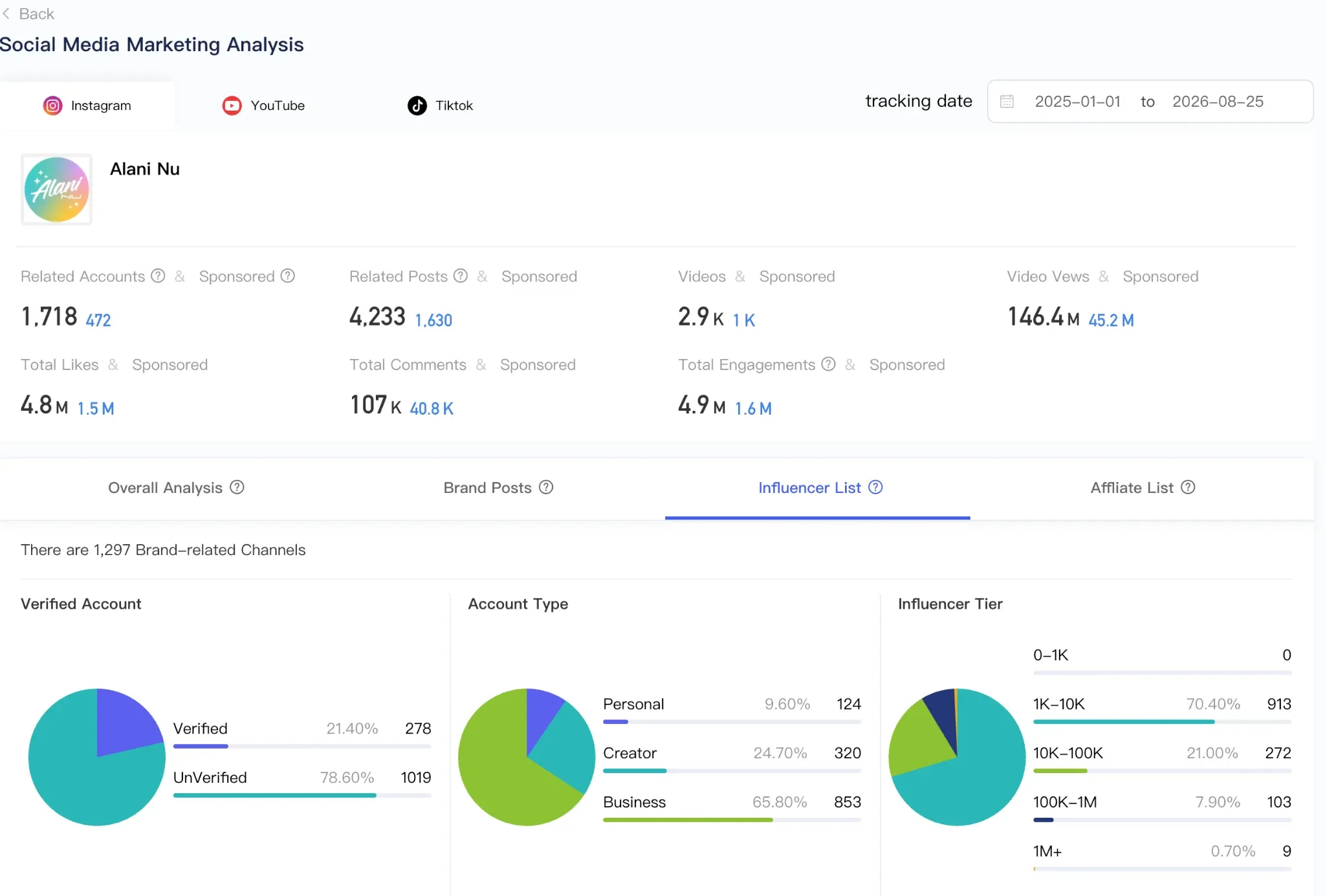
Why it works: The program integrates Alani Nu into the daily routines and social environments of its target consumers rather than relying solely on paid advertising. College ambassadors can create peer-to-peer recommendations, organize sampling events, and produce relatable content while giving the brand repeated exposure within tightly connected communities.
Perplexity: Promoting Personal Computer Through Creator Gifting
Industry: AI/SaaS
Campaign: In May and June 2026, Perplexity used creator gifting to promote its Personal Computer product by sending Mac Minis to selected tech creators and enthusiasts. The recipients shared posts about receiving the devices and demonstrated how Perplexity’s AI agent could operate continuously on a Mac Mini, helping introduce the product through real-world creator use cases.
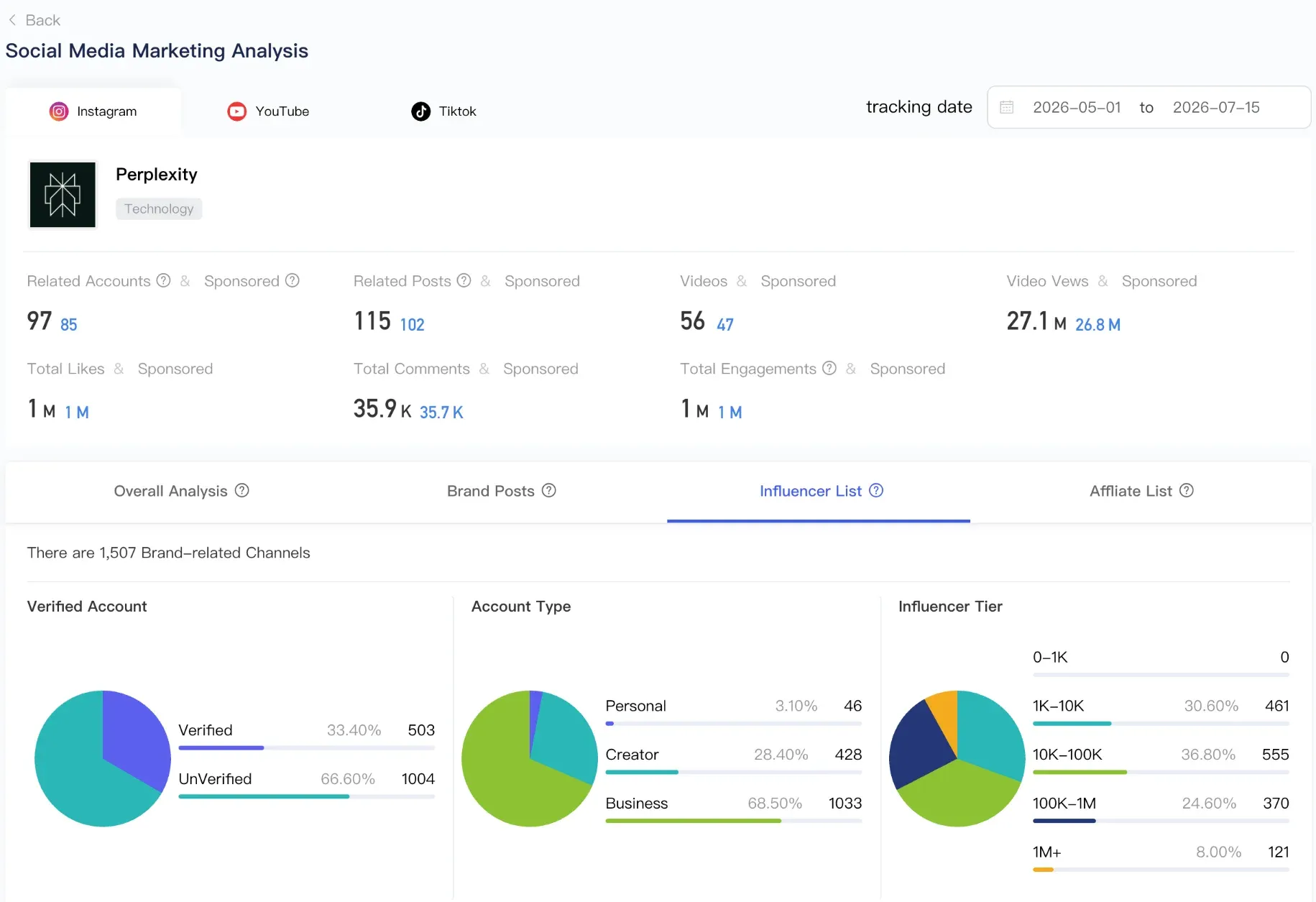
Why it works: A personal computer is a technically complex product that is difficult to communicate through conventional advertising alone. Equipping creators with the hardware to experience it turns the product demonstration into authentic content, while tech-focused creators can explain practical use cases to audiences already interested in AI, productivity, and emerging computing technology.
GetYourGuide: Creator-Led Travel Experiences for Targeted Audiences
Industry: Travel/online booking
Campaign: In May and June 2026, GetYourGuide continued using its Creator Community and sponsored experiences to work with travel creators on Instagram and TikTok. Creators receive sponsored experiences and are required to publish content showcasing the activity, tagging GetYourGuide and its creator community. The community now includes around 16,000 travel creators.
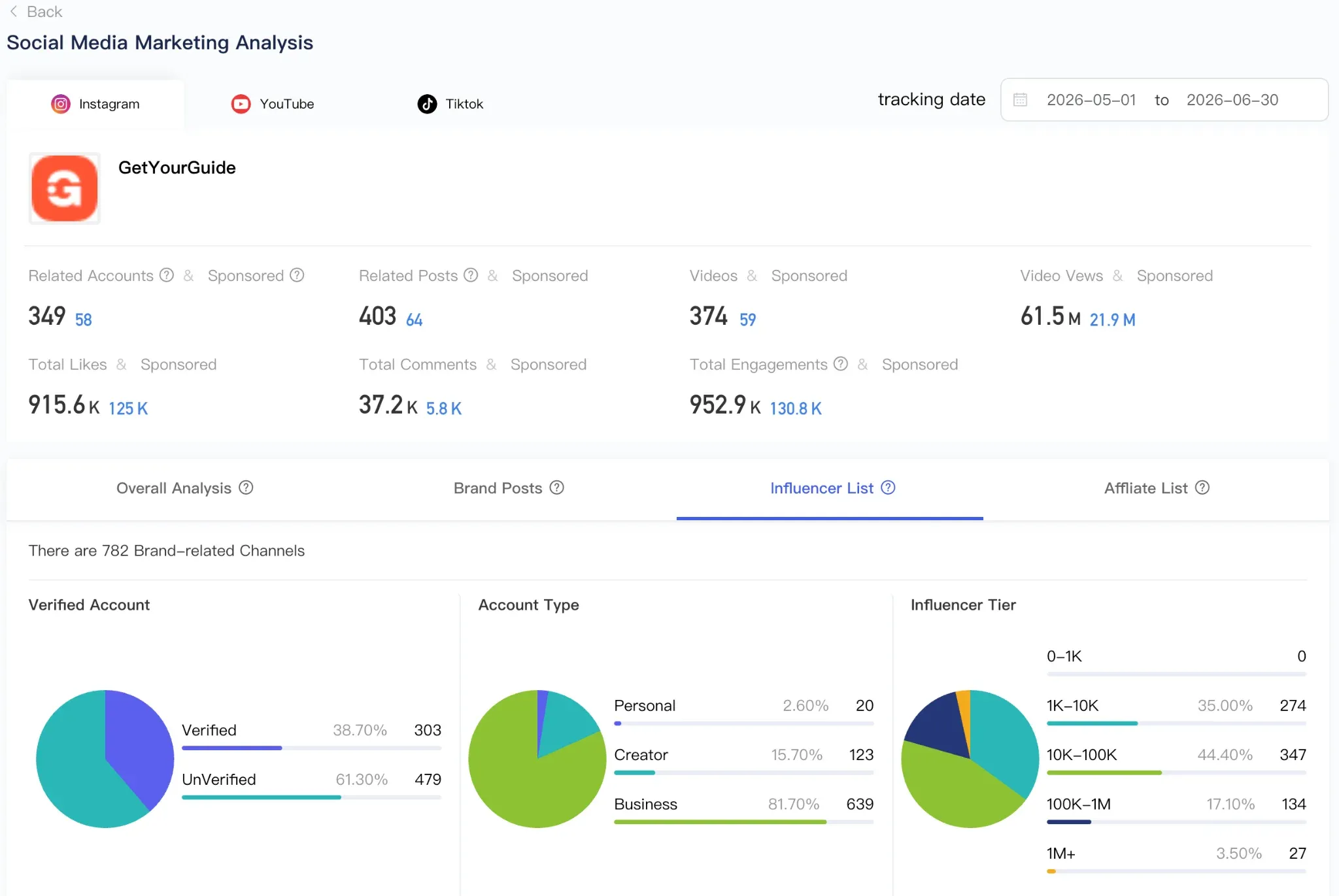
Why it works: Travel experiences are highly visual and difficult to evaluate before purchase, making creator demonstrations particularly valuable. Micro and niche travel creators can show the experience from a traveler’s perspective, provide practical context, and reach audiences already interested in specific destinations or activities, making discovery more relevant than broad advertising.
Chewy: Launching "Get Real" Fresh Dog Food With Creator Storefronts
Industry: Pet e-commerce
Campaign: From February through June 2026, Chewy partnered with pet creators to promote Get Real, its fresh dog food line launched exclusively on Chewy. Creator content showed dogs eating or enjoying the product and encouraged pet owners to explore the offering. Chewy’s broader creator activity included partnerships with Instagram and TikTok, providing the product with repeated exposure across pet-focused communities.
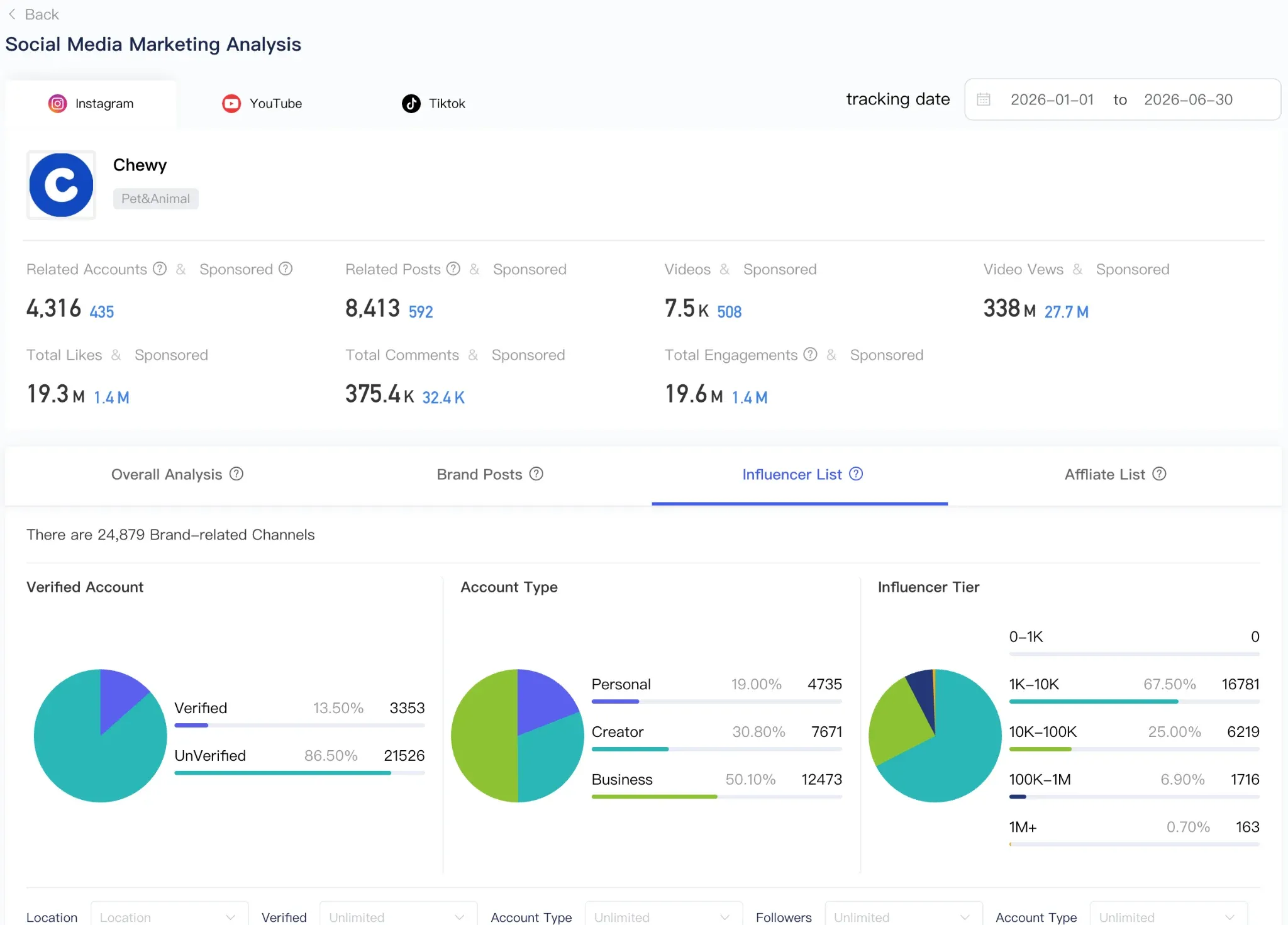
Why it works: Fresh dog food is an experience-driven product because pet owners want evidence that their dogs will actually enjoy it. Pet creators can demonstrate real feeding moments and reactions, reducing uncertainty while building emotional appeal. Their niche audiences also make product recommendations highly relevant to consumers already interested in pet nutrition.
G FUEL: Energy Drink + Gaming Communities
Industry: Energy drinks and gaming culture
Campaign: From March through May 2026, G FUEL maintained an ongoing creator-led promotional approach across gaming and entertainment communities. Rather than relying on a single major influencer, the brand worked with multiple creators who incorporated products, new flavors, and promotional codes into their content. Its creator program supports sponsorships, affiliate partnerships, product access, and creator-specific discounts.
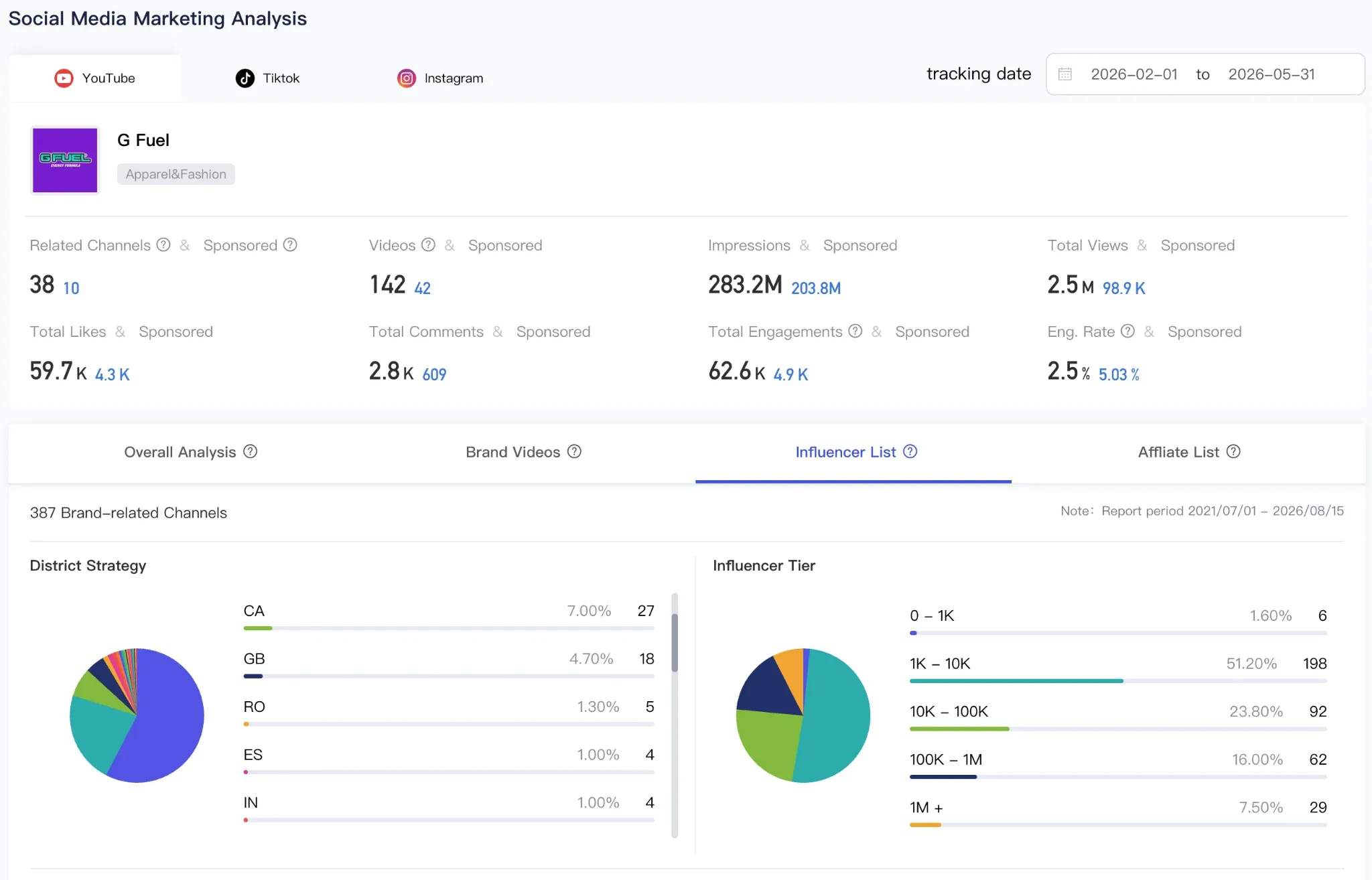
Why it works: Gaming audiences are organized around highly engaged communities, making niche creators especially effective at influencing purchasing decisions. By working with multiple creators over an extended period, G FUEL can repeatedly appear in gaming content while allowing creators to communicate the products in formats that feel native to their individual audiences.
Caraway: Always-On Cookware Advocacy Through #FriendsofCaraway
Industry: Home goods/non-toxic cookware
Campaign: From December 2025 through January 2026, Caraway activated home, food, and lifestyle creators through its #FriendsofCaraway program. Creators incorporated Caraway cookware into cooking and lifestyle content, often using personalized discount codes. For example, Valeria Evans (@kvaleriaevans) featured Caraway cookware on TikTok in December 2025, combining product demonstrations with everyday cooking.
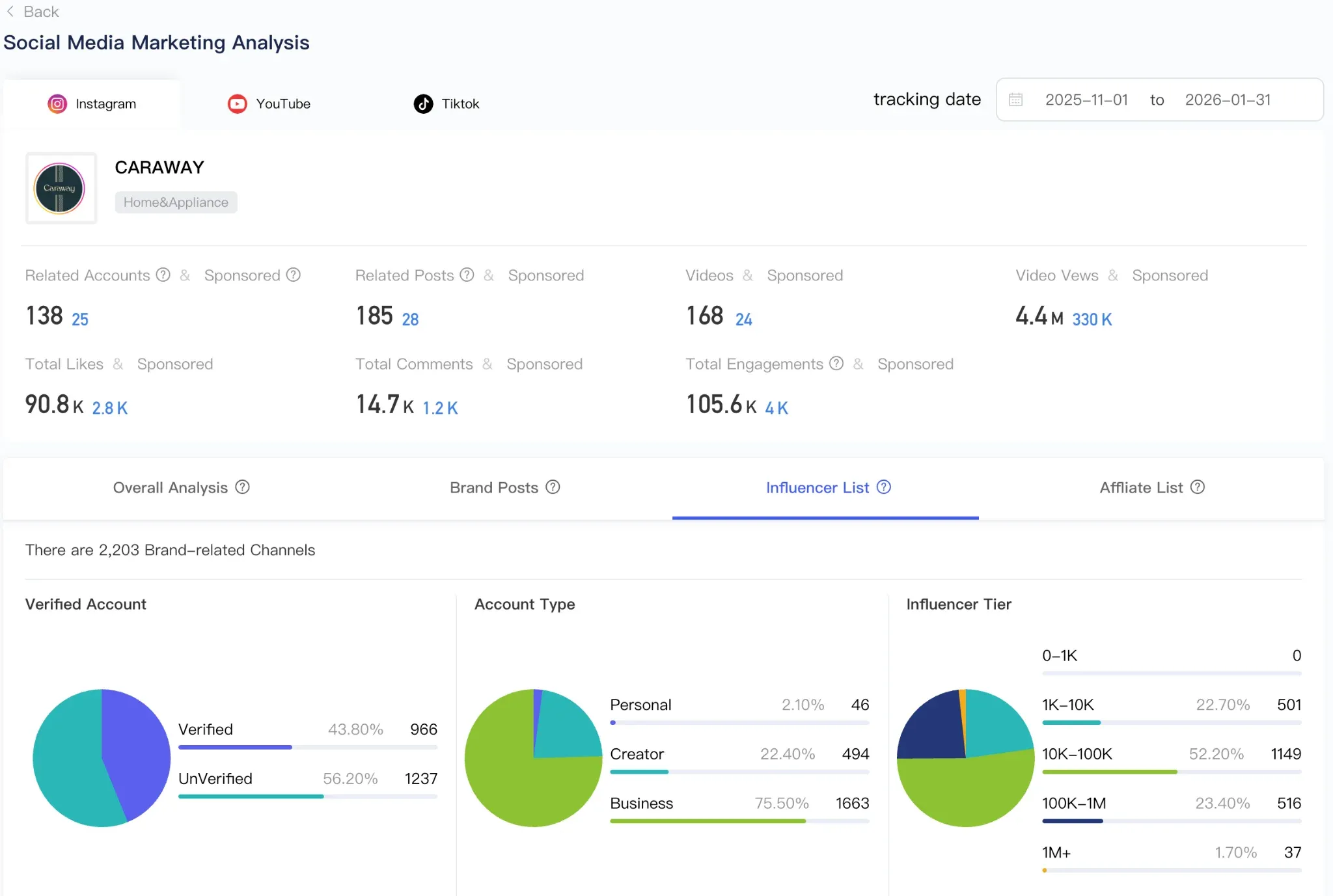
Why it works: Cookware is naturally suited to recurring creator content because products can appear repeatedly in recipes, meal preparation, and kitchen routines. Caraway’s creator partnerships therefore go beyond a single product mention, allowing audiences to see the cookware used in realistic settings, while personalized codes provide a measurable conversion mechanism.
Are Micro Influencers Worth It?
For many brands, micro influencers provide a strong balance of reach, engagement, authenticity, and cost. Their smaller audiences can be an advantage when a campaign depends on reaching a specific community rather than generating the largest possible number of impressions.
The key advantages include:
- Targeted reach: Micro-influencers often specialize in specific niches and audience segments.
- Strong engagement: Smaller communities can support more direct interaction between creators and followers.
- Authentic recommendations: Niche creators can build credibility by consistently producing relevant content.
- Budget flexibility: Brands can distribute spending across multiple creators and test different audiences.
- Scalable partnerships: Successful creators can become long-term brand advocates.
However, micro influencer marketing also has limitations. Managing many creators requires more coordination than working with a single large influencer, and individual creators may have relatively limited reach. Results can also vary significantly depending on audience quality, content performance, niche, and campaign execution.
As explored in Pros and Cons of Micro-Influencer Marketing in 2026, micro influencers are particularly attractive for SMBs, DTC brands, SaaS companies, and startups that need efficient access to relevant audiences. Ultimately, the best choice depends on campaign objectives, audience fit, and the results a brand needs to achieve.
Conclusion
Micro influencers offer brands a practical way to combine targeted reach, meaningful engagement, authenticity, and cost efficiency. However, successful partnerships depend on more than follower count. Brands should prioritize audience relevance, creator credibility, campaign objectives, and measurable performance when selecting partners.
From discovery and outreach to collaboration and performance tracking, a centralized influencer marketing platform like Scrumball can make micro influencer campaigns more effective and scalable. By combining the right creators with appropriate partnership models and data-driven optimization, brands can build stronger relationships and achieve more sustainable marketing results.
FAQs
How much do micro influencers charge?
Micro influencer pricing varies based on follower count, engagement rate, platform, content format, and campaign scope. Brands may use flat fees for sponsored content, gifted collaborations for product seeding, affiliate commissions, or performance-based arrangements depending on the partnership structure.
Here are the average market rates across different micro influencer follower ranges:
- 10K to 25K followers: $100 to $500 per sponsored post
- 25K to 50K followers: $500 to $1,000 per sponsored post
- 50K to 100K followers: $1,000 to $3,000 per sponsored post
These figures should be treated as general market ranges rather than fixed rates. Actual pricing can change significantly based on niche, engagement, content requirements, exclusivity, usage rights, platform, and overall campaign scope.
Are micro influencers more effective than macro influencers?
Micro and macro influencers serve different marketing purposes. Micro influencers generally offer more targeted audiences, stronger community relationships, and potentially higher engagement, while macro influencers can provide substantially greater reach and broader brand awareness.
For niche campaigns or conversion-focused initiatives, micro influencers may deliver greater efficiency. For campaigns where mass awareness and scale are the primary objectives, macro influencers may be more appropriate.
The better option therefore depends on the campaign goal rather than the influencer tier itself. Brands should evaluate audience fit, expected reach, engagement, budget, and desired outcomes before choosing between them.
Can small businesses benefit from micro influencers?
Micro influencers can be particularly useful for small businesses because they provide access to targeted communities without the budgets required by larger creators. Their niche audiences can also make product recommendations feel more relevant and authentic.
For businesses with limited budgets, working with several micro influencers can provide an opportunity to test different audiences and content approaches while generating measurable campaign data.
How can I negotiate performance-based micro-influencer partnerships?
Brands should begin by defining the desired outcome and selecting KPIs that directly measure it, such as clicks, conversions, sales, or revenue. Compensation can then be structured around commissions, tracked sales, or agreed performance milestones.
Clear attribution rules are essential for avoiding disputes and ensuring fair compensation. Brands should agree on tracking methods, discount codes or unique links, commission rates, attribution windows, reporting periods, payment schedules, and responsibilities before the collaboration begins.
How can micro-influencer marketing increase ecommerce sales and product purchases?
Because micro-influencers' audiences are often concentrated around specific interests, the products they recommend can be highly relevant to followers' needs. Hence, micro-influencer marketing can increase ecommerce sales by putting products in front of relevant audiences and giving potential customers credible reasons to buy.
Micro-influencers can demonstrate products, share personal experiences, answer audience questions, and use discount codes or affiliate links to encourage purchases.
Which industries and niches benefit most from micro-influencer marketing?
Micro-influencers can be effective across industries including beauty, fashion, fitness, food, lifestyle, technology, and pet products. Their strength comes from specialized communities, so audience alignment is often more important than the industry itself.
Brands should prioritize creators whose content, audience demographics, interests, and expertise closely match the product. A smaller creator with a highly relevant community can be more valuable than a larger creator with a poorly aligned audience.